
Ishi — the last known Yahi and his encounter with modern America
Ishi (c.1861–1916) was the last known member of the Yahi people. Found in Northern California in 1911, he lived with anthropologists, shared traditional skills and language, and became a symbol of cultural loss and ethical debate.
Overview
Ishi (circa 1861–March 25, 1916) is widely described as the last known member of the Yahi, a group within the Yana peoples of Northern California. He emerged from solitude near the foothills of Lassen Peak in 1911, at an age estimated to be around fifty, and was taken to the campus of the University of California, Berkeley. His arrival attracted attention because he appeared to live largely outside the social and technological systems of the surrounding settler society, and because many members of his people had already been killed or displaced during the violent campaigns that accompanied California's nineteenth-century expansion.
Image gallery
5 Images

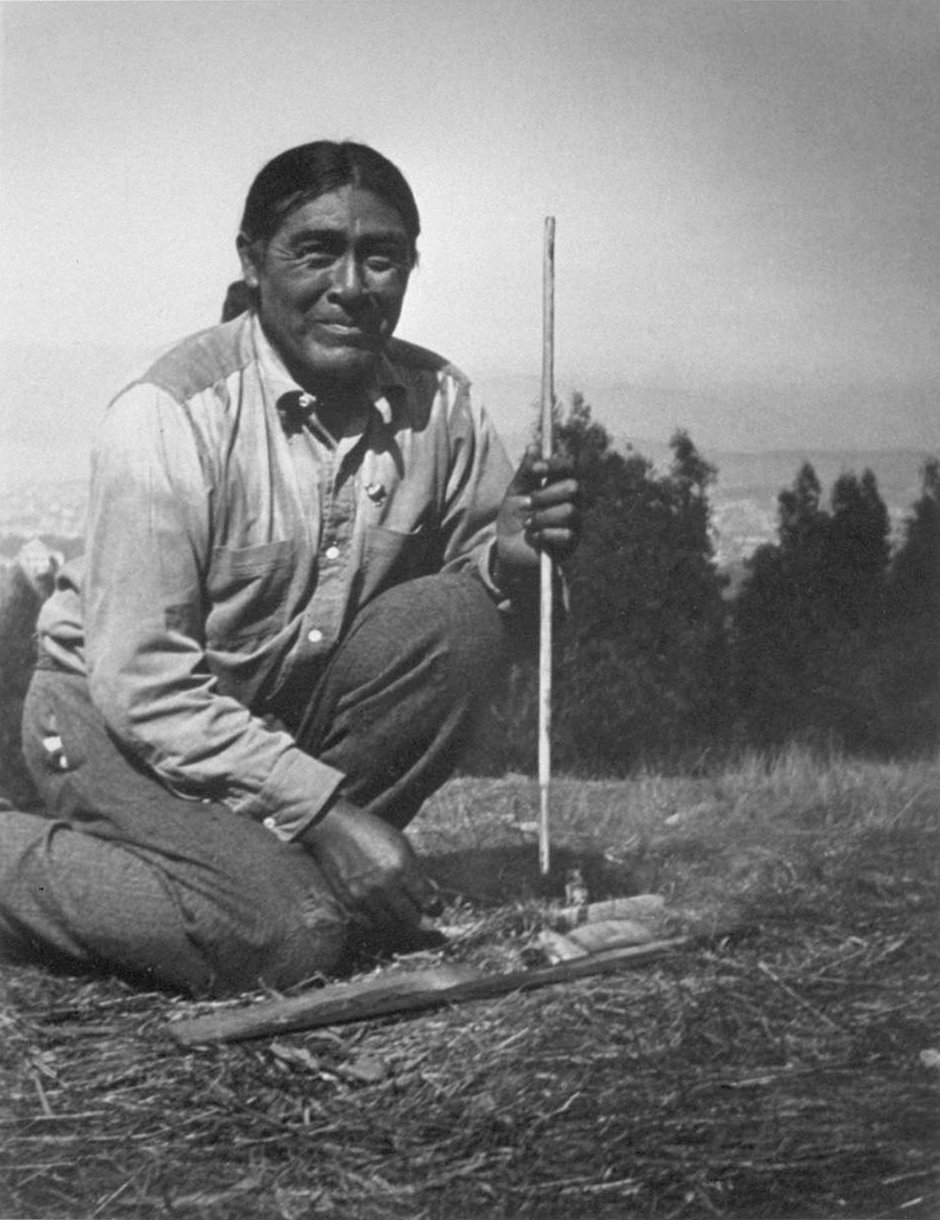


Name and identity
The man came to be known as "Ishi," a word meaning "man" in the Yana language. Anthropologists gave him this name because, by Yahi custom, a person did not speak his own personal name until formally introduced by another Yahi; when asked, Ishi reportedly replied, "I have none, because there were no people to name me," indicating that he had no surviving community to perform that social introduction. This phrase and the adopted name have shaped how writers and historians have recounted his life.
Life after discovery
After his discovery he was cared for by staff and researchers associated with the university and with museums in San Francisco. Anthropologists documented his language, traditional techniques, stories and songs, and he demonstrated skills such as flintknapping, bow making and traditional food preparation. He also performed practical work at the institution, including duties described in contemporary accounts as janitorial. Researchers sought to record as much as possible of his knowledge because the Yahi language and customs were at severe risk of being lost.
Historical context and significance
Ishi's story is set against the wider history of indigenous dispossession in California. The Yahi had been reduced by decades of conflict, disease and dispossession through the nineteenth century. Because he was one of the very few survivors, Ishi became a living link to cultural practices otherwise threatened with extinction. His presence prompted both sympathy and curiosity in the public, and he inspired books, plays and films that explored themes of cultural collision and survival.
Controversies and later developments
From a modern perspective, the circumstances surrounding Ishi raise ethical questions about how indigenous people were treated by academic institutions. Researchers recorded and displayed his skills and language, but the relationship was unequal and shaped by the priorities of the scholarly community at the time. After his death in 1916 (from a disease commonly recorded as tuberculosis), certain bodily remains were retained for study by institutions far from his homeland; these decisions and their later redress have become part of discussions about repatriation and respect for indigenous cultural rights. In later decades commentators and indigenous advocates pressed for and achieved the return and reburial of Ishi's remains.
Legacy
Ishi's life has been the subject of historical research and popular treatment. The best-known biography, Ishi in Two Worlds, was written by Theodora Kroeber and published in 1961; it introduced many readers to his story and the broader themes it evokes. Scholars continue to study the recordings and notes made during his years with the university, both for the linguistic data they preserve and for what they reveal about early twentieth-century anthropology. Ishi remains a widely cited example in discussions about cultural survival, the responsibilities of scholars toward the people they study, and the long consequences of frontier violence.
Notable points
- He is remembered as a rare direct source of Yahi language and techniques.
- His adoption of the name "Ishi" and the reported explanation for having no name illustrate how social naming practices vary across cultures.
- His relationship with anthropologists prompted enduring debate on ethics in fieldwork and museum practice.
- His life inspired literary and cinematic works that reflected changing public interest in Native American histories.
For additional context on the Yahi people and the events that shaped Ishi's world, see materials held by regional historical collections and university archives that preserve field notes, recordings and correspondence from his time in California academic care.
Related topics and locations mentioned above include: the Yahi, the United States, Lassen Peak, the University of California, Berkeley, San Francisco, the book Ishi in Two Worlds and its author Theodora Kroeber.
Questions and answers
Q: Who was Ishi?
A: Ishi was the last known member of the Native American Yahi people from California in the United States.
Q: What does "Ishi" mean?
A: Ishi is an adopted name given to him by anthropologist Alfred Kroeber, which means "man" in the Yana language.
Q: How did Ishi come out near the foothills of Lassen Peak in Northern California?
A: In 1911, aged 50, he came out near the foothills of Lassen Peak in Northern California.
Q: Why did Ishi not have a name?
A: Because there were no other Yahi to speak his name for him, according to their culture and tradition.
Q: Where did Ishi live after coming out near Lassen Peak?
A: He lived most of his remaining five years in a university building in San Francisco.
Q: What kind of media has discussed and shown his life?
A: His life was shown and discussed in many films and books. A popular biography was Ishi in Two Worlds published by Theodora Kroeber in 1961.
Q: What did anthropologists do with Ishi when they found him? A: Anthropologists at the University of California, Berkeley both studied him and hired him as a janitor.
Related articles
Author
AlegsaOnline.com Ishi — the last known Yahi and his encounter with modern America Leandro Alegsa
URL: https://en.alegsaonline.com/art/121001
Sources
- books.google.com : "Ishi, the Last Yahi Indian"
- librivox.org : Short Nonfiction Collection Vol. 026
- "The Last Wild Tribe of California"