
Princess Irene of the Netherlands
Dutch princess and environmental advocate; second child of Queen Juliana and Prince Bernhard, known for a controversial marriage in the 1960s and later work in ecology and international development.
Overview
Princess Irene (Irene Emma Elisabeth), born 5 August 1939, is a member of the Dutch royal family and a public figure who later became known for her environmental and development work. As the second daughter of Queen Juliana and Prince Bernhard, she has attracted attention both for her personal choices and for her involvement in ecological and social causes.
Image gallery
5 Images


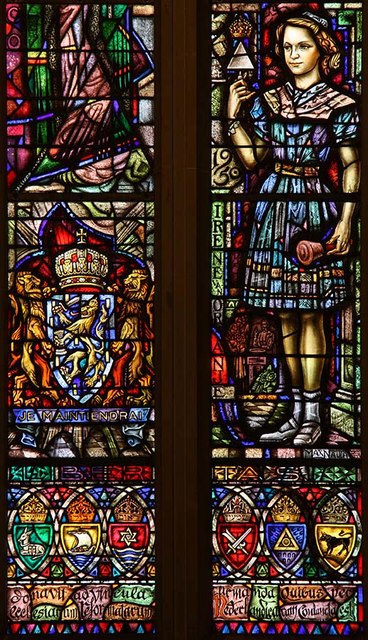
Early life and family
Born into the House of Orange-Nassau, Irene spent her childhood in the Netherlands during and after the Second World War. She is a daughter of Queen Juliana and Prince Bernhard of Lippe-Biesterfeld and grew up alongside her sisters, including the former Queen Beatrix. Her upbringing blended public duty with private family life, shaped by the experiences of a royal household during a turbulent century.
Marriage and public controversy
In the mid-1960s Irene converted to Roman Catholicism and married a member of the Bourbon-Parma family. Her conversion and marriage sparked debate in the Netherlands because they intersected with constitutional and political sensitivities about the royal family's role. The union drew widespread public and media attention and led to questions about succession, religion, and the appropriate involvement of royals in partisan or international causes.
Activism and later career
After her marriage ended, Irene increasingly focused on environmental, cultural and development issues. She has supported projects related to nature conservation, sustainable agriculture and international cooperation, sometimes working with non-governmental organizations and community groups. Her interests reflect a broader trend among several members of European royal families toward advocacy and charitable engagement.
Characteristics and notable facts
- Royal background: Born into the Dutch monarchy with lifelong public recognition.
- Religious change: Conversion to Catholicism was a defining and controversial episode in her life.
- Public role: Transitioned from strictly ceremonial duties to practical involvement in environmental and development initiatives.
Legacy
Princess Irene is often remembered for the way her personal decisions highlighted the interaction between private faith and public responsibility in a modern constitutional monarchy. In later decades she has been respected for applying her profile to environmental and humanitarian causes, helping to draw attention to ecological preservation and community-based development while remaining a distinct figure within the Dutch royal narrative.
Related articles
Author
AlegsaOnline.com Princess Irene of the Netherlands Leandro Alegsa
URL: https://en.alegsaonline.com/art/120959