
Íngrid Betancourt — Colombian politician, anti-corruption campaigner and former FARC hostage
Colombian-French politician and anti-corruption activist abducted by FARC in 2002, held six years, rescued in 2008; later author and recurring presidential candidate and public commentator.
Íngrid Betancourt Pulecio is a Colombian-born politician and activist who became internationally known after her abduction by the guerrilla group FARC (Revolutionary Armed Forces of Colombia) in 2002 and her dramatic rescue in 2008. A public figure long associated with anti-corruption and environmental concerns, she served in Colombia’s Chamber of Representatives and Senate before launching a presidential bid that raised her national profile.
Image gallery
2 Images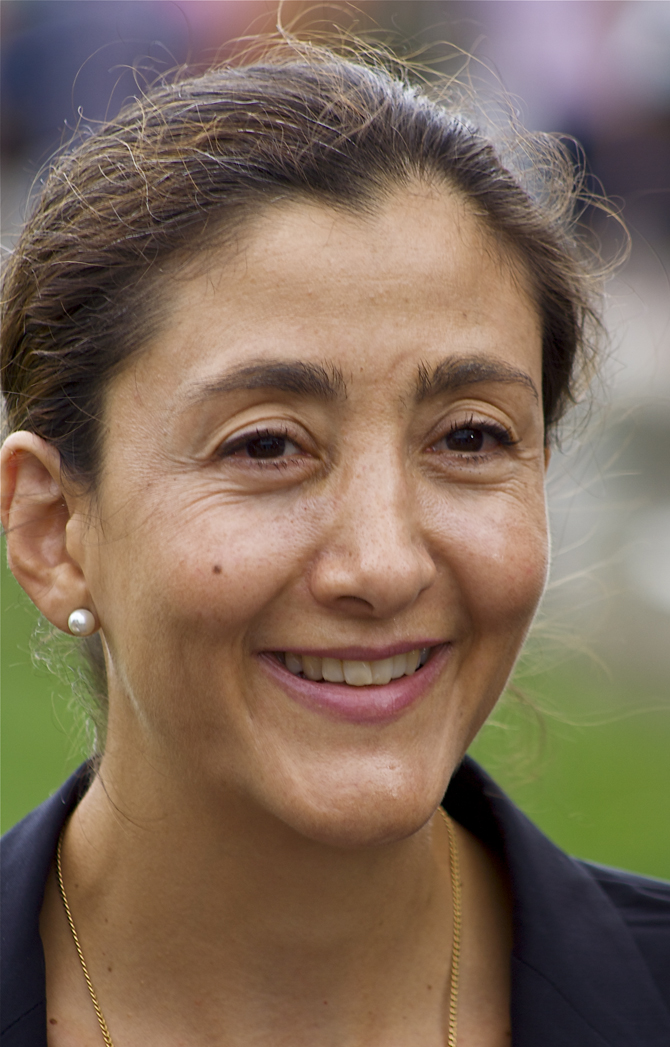
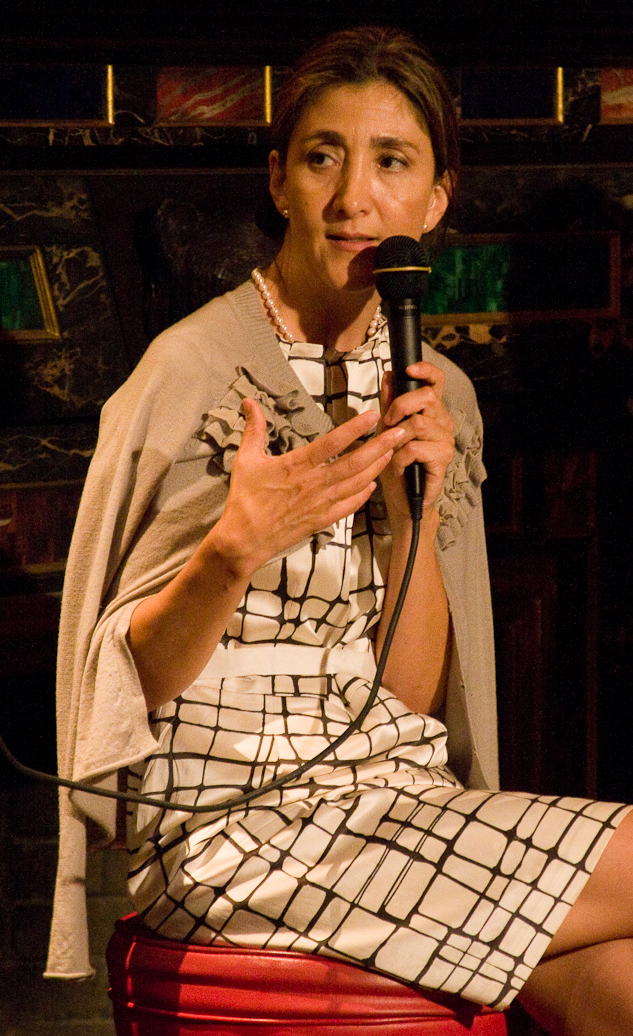
Political career and platform
Betancourt began her national political career in the 1990s, serving as a member of the Chamber of Representatives and later as a senator. She was identified with centre and centre-left reform movements and campaigned publicly on platforms that emphasized anti-corruption measures, transparency in government, and environmental protection. Her campaign for the presidency in 2002 was run under a green reform banner and drew attention for its emphasis on renewing public institutions and fighting graft.
Kidnapping and captivity
While campaigning in February 2002 she was seized by FARC forces. The kidnapping drew sustained international media coverage and diplomatic attention because of Betancourt’s public profile and her dual cultural ties to Colombia and France. She was held in remote jungle camps for more than six years, during which time the circumstances of her detention, the conditions endured by hostages, and the policies surrounding ransom or prisoner exchanges became matters of intense public debate.
Rescue and aftermath
On 2 July 2008 Betancourt was freed during a Colombian military operation widely reported as Operation Jaque, which liberated more than a dozen hostages in a single mission. Her release prompted immediate medical care, family reunions, and international statements from governments and human-rights organizations. After returning to public life she wrote about her experience and took part in public discussions on reconciliation, victim rights, and transitional justice. Her memoir and interviews contributed to broader awareness of the plight of kidnapped civilians in conflict zones.
Later activity and public role
Following her rescue Betancourt remained active in civic and political debates. She continued to promote anti-corruption efforts and occasionally announced or explored further candidacies for public office. Most recently she declared a presidential candidacy for the 2022 election, then withdrew shortly before the first round. Throughout this period she has been a vocal commentator on issues related to governance, human rights and the legacy of Colombia’s armed conflict.
Notable facts and distinctions
- Her captivity and release focused international attention on the FARC and on the broader humanitarian crisis caused by decades of armed conflict in Colombia.
- Her public profile and dual cultural connections have made her a frequent interlocutor with European governments and international media.
- She is closely associated with anti-corruption advocacy; more information on corruption issues and reform proposals can be found via anti-corruption resources.
- Her presidential campaigns and debates about peace negotiations illustrate tensions between victims’ demands for justice and political compromises; see context on presidential politics at President of Colombia.
Betancourt’s story intersects Colombian electoral politics, peace processes, and efforts to protect civilians from political violence. As both an individual who experienced prolonged captivity and a public figure returning to political life, she remains a reference point in discussions about accountability, victim advocacy, and the challenges of rebuilding democratic institutions after conflict.
Related articles
Author
AlegsaOnline.com Íngrid Betancourt — Colombian politician, anti-corruption campaigner and former FARC hostage Leandro Alegsa
URL: https://en.alegsaonline.com/art/120935
Sources
- news.bbc.co.uk : "Profile: Ingrid Betancourt"