
Ingrid van Houten-Groeneveld: Dutch astronomer and asteroid researcher
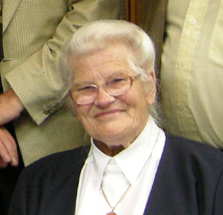
Dutch astronomer Ingrid van Houten-Groeneveld (1921–2015) was a leading analyst of photographic surveys at Leiden Observatory and a co-discoverer of thousands of minor planets.
Ingrid van Houten-Groeneveld (21 October 1921 – 30 March 2015) was a Dutch astronomer noted for her work on minor planets. Over a long career at Leiden she specialized in the astrometric analysis of photographic survey material, helping to identify and catalogue very large numbers of asteroids and to determine their orbital positions.
Image gallery
2 Images
Career and professional focus
Van Houten-Groeneveld spent the bulk of her professional life at the Leiden Observatory, where her expertise in measuring positions on photographic plates became central to mid-20th-century asteroid research. Working with images produced at large telescopes, she carefully measured star and object positions to convert photographic records into precise coordinates usable for orbit calculation.
Collaborations and surveys
She is best known for her role in collaborative survey projects that combined photographic observations from observatories with the detailed plate analysis performed at Leiden. These efforts—frequently described under the Palomar–Leiden surveys in histories of minor-planet discovery—brought together observers who took deep photographs and analysts who searched those plates for moving objects. Through these collaborations she worked alongside other astronomers and technicians to produce catalogs that significantly increased the number of known minor planets.
The partnership between observers and plate analysts exemplified the period's methodology: wide-field images captured by large telescopes were sent to specialists who compared exposures, identified moving points of light, and derived positions that allowed follow-up observations and orbit determination.
- Primary specialty: astrometry of small Solar System bodies.
- Main technique: systematic analysis of photographic survey plates and measurement of object positions.
- Outcome: credited with co-discovery of several thousand asteroids through published catalogs and collaborative papers.
Van Houten-Groeneveld's published measurements and co-authored discovery lists fed into international minor-planet records and helped refine knowledge of asteroid populations, orbital dynamics, and the distribution of objects in the main belt.
She died on 30 March 2015 in Oegstgeest, Netherlands, at the age of 93. Her work is often cited in surveys of 20th-century observational astronomy for its practical impact: converting photographic records into reliable astrometric data that enabled routine discovery and orbit calculation for thousands of small bodies.
Related articles
Author
AlegsaOnline.com Ingrid van Houten-Groeneveld: Dutch astronomer and asteroid researcher Leandro Alegsa
URL: https://en.alegsaonline.com/art/120939
Sources
- seti.org : "SETI Institute - Long-Lost, Dangerous Asteroid Is Found Again"
- books.google.com : Giordano Bruno and the Geometry of Language
- astronomie.nl : Leidse sterrenkundige Ingrid van Houten overleden (21 oktober 1921-30 maart 2015)