
Inigo Jones: Pioneer of Classical Architecture in England
Inigo Jones (1573–1652) introduced classical Roman and Italian Renaissance architecture to England, designed landmark buildings and court masques, and shaped English Palladianism and stage design.
Overview
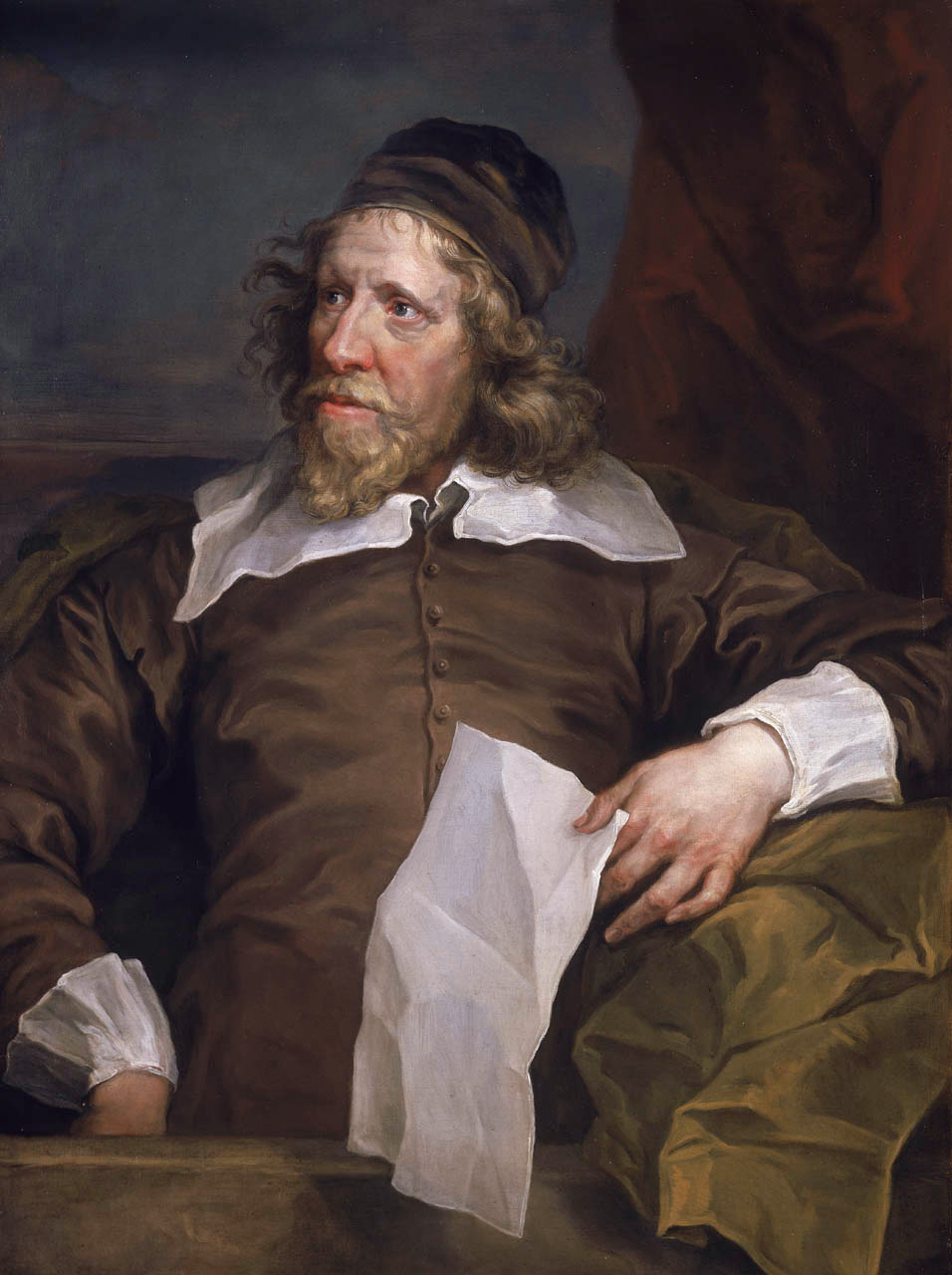
Inigo Jones (15 July 1573 – 21 June 1652) was a leading English architect of the early modern period. He is widely credited with introducing the formal vocabulary of Ancient Rome and the Italian Renaissance to England, adapting classical orders, measured geometry and carefully controlled proportion to British buildings and urban schemes.
Image gallery
10 Images



Architectural style and methods
Jones emphasized symmetry, clarity and mathematical proportion. Influenced by Renaissance treatises and studies of classical ruins, he applied Vitruvian ideas on harmony and the use of the orders so that façades, plans and elevations formed a coherent whole. His approach marked a departure from the ornate, often eclectic detail of late Tudor and Jacobean work and established a more restrained and monumental language.
Major works and urban projects
His important commissions include the Banqueting House at Whitehall, the Queen's House at Greenwich and the planned piazza at Covent Garden with its parish church. These buildings show a new classical simplicity and a concern for proportion and civic order. Jones worked for kings and nobles, producing official buildings, royal lodgings and private houses that demonstrated how Renaissance formal ideas could be adapted to English needs and materials.
Theatre, masques and stagecraft
Alongside his architectural career, Jones made a major contribution to court entertainment. He designed machinery, sets and elaborate scenery and costumes for royal masques, collaborating with court poets and dramatists. His stage designs introduced continental pictorial perspective and mechanical scene changes to English court performance, a form related to developments in early opera on the continent.
Patrons, career and practice
Jones’s work was closely linked to his royal and noble patrons, whose tastes favoured architecture that expressed order and authority. He travelled to Italy and studied Italian models and classical ruins; from these sources he developed a practical mastery of proportion and symmetry. He also produced drawings and plans that helped disseminate classical ideas in England and guided craftsmen in applying new forms.
Legacy and influence
Jones is often regarded as the first English architect to implement a coherent classical language on a national scale. His buildings and theatrical innovations paved the way for the later rise of English Palladianism and influenced generations of architects who continued the classical tradition. While others developed and transformed his ideas, his career marks a decisive shift from Elizabethan eclecticism to a more rigorous classicism in seventeenth- and eighteenth-century British architecture.
Further reading and resources
For introductions and specialist studies see general architectural histories and museum catalogues. Useful starting points include biographical summaries and discussions of period context, classical sources and theatrical practice: biographical summaries, period context, Roman sources, Renaissance links, Vitruvian theory, design principles, theatre practice, musical connections.
Questions and answers
Q: Who was Inigo Jones?
A: Inigo Jones was a famous English architect and theatre designer in the early modern period.
Q: What did Inigo Jones introduce to Britain's architecture?
A: Inigo Jones was the first person to introduce the architecture of Ancient Rome and the Italian Renaissance to Britain.
Q: What were some of the features of Inigo Jones' buildings?
A: Inigo Jones' buildings were the first in Britain to employ Vitruvian rules of proportion and symmetry.
Q: In addition to architecture, what other field was Inigo Jones known for?
A: Inigo Jones was also known for his contributions as a theatre designer.
Q: What did Inigo Jones design for the masques?
A: Inigo Jones designed the scenery and costumes for many masques, which were a kind of early opera.
Q: When was Inigo Jones born and when did he die?
A: Inigo Jones was born on July 15, 1573, and he died on June 21, 1652.
Q: What was Inigo Jones' impact on British architecture and theatre design?
A: Inigo Jones had a major impact on British architecture, as he introduced new styles and rules of proportion and symmetry. He also made significant contributions to theatre design by designing sets and costumes for masques.
Related articles
Author
AlegsaOnline.com Inigo Jones: Pioneer of Classical Architecture in England Leandro Alegsa
URL: https://en.alegsaonline.com/art/120942
Sources
- britannica.com : "Inigo Jones"
- wikidata.orgQ295929.html : wikidata.orgq295929.html
- catalogo.bne.es : XX982476
- catalogue.bnf.fr : cb11937918q
- data.bnf.fr : (data)
- cantic.bnc.cat : a11516999
- d-nb.info : 118776371
- isni.org : 0000 0001 2137 1968
- id.loc.gov : n79045469
- aleph.nkp.cz : xx0156611
- nla.gov.au : 35252392
- uli.nli.org.il : 000419138
- data.bibliotheken.nl : 068318782
- rkd.nl : 42548
- libris.kb.se : 191901