
Ingrid of Sweden, Queen Consort of Denmark (1910–2000)
Ingrid of Sweden (1910–2000) was queen consort of Denmark (1947–1972), wife of King Frederick IX, mother of Queen Margrethe II, and a prominent public figure in Scandinavian royal life and charitable work.
Overview
Ingrid Victoria Sofia Louise Margareta (28 March 1910 – 7 November 2000) was born a Swedish princess and became Queen of Denmark as the wife of King Frederick IX. She served as queen consort from 1947 until 1972 and thereafter was widely known as queen mother. Her life bridged the royal houses of Sweden, Denmark and other European dynasties, and she remained an active public figure for decades.
Image gallery
7 Images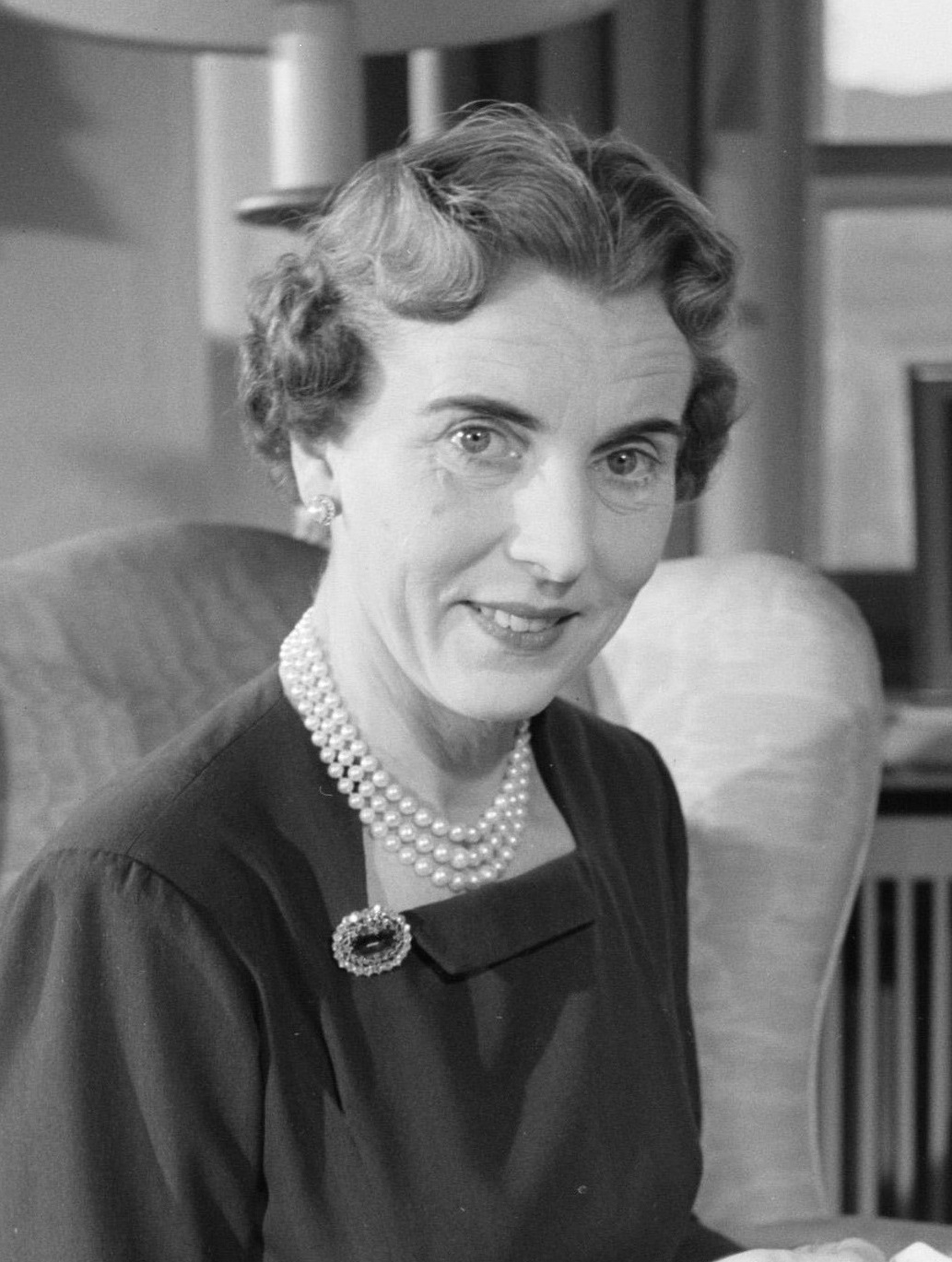


Early life and family
Ingrid was born into the Swedish royal family and grew up with a mixed Scandinavian and British background. Her father was a senior member of the Swedish royal house and her mother belonged to a British branch of European royalty. She received an education typical for princesses of her generation, including languages, music and the arts, and maintained close family ties across borders throughout her life.
Marriage and queenship
She married Crown Prince Frederick of Denmark in the 1930s and moved to Copenhagen, becoming a central figure in Danish public life. When Frederick acceded to the throne in 1947 she assumed the duties of queen consort: representing the monarchy at official ceremonies, supporting charitable institutions, and accompanying the king on state visits. The couple's reign covered the postwar rebuilding of Denmark and a period of social change.
Children and succession
Ingrid and Frederick had three daughters. Their eldest, Margrethe, became heir presumptive after mid-20th century succession changes and succeeded to the throne in 1972 as Queen Margrethe II. The younger daughters also made prominent dynastic marriages, linking the Danish royal family with other European houses. As mother and grandmother, Ingrid played a visible role in fostering family continuity and public support for the monarchy.
Public life, interests and legacy
Throughout her life Ingrid supported cultural institutions, social and welfare causes, and activities for children and the elderly. She showed particular interest in the arts, music and traditional crafts, and was associated with organizations promoting public health and training for nurses. After her husband's death she remained an esteemed public figure, often described as a stabilizing and dignified presence during transitions within the royal family.
Later years and remembrance
As queen mother, Ingrid continued to attend official events and to support charitable work until advanced age. She died in 2000 and is remembered in Denmark and Sweden for her devotion to duty, her role in modernizing aspects of royal life, and her contribution to maintaining close ties among European royal families.
Notable facts
- Queen consort of Denmark, 1947–1972.
- Mother of Queen Margrethe II of Denmark.
- Paternal aunt of King Carl XVI Gustaf of Sweden.
- Linked Scandinavian and broader European dynasties through family and marriage.
Related articles
Author
AlegsaOnline.com Ingrid of Sweden, Queen Consort of Denmark (1910–2000) Leandro Alegsa
URL: https://en.alegsaonline.com/art/120937