
Imre Nagy: Hungarian reformer and leader of the 1956 uprising
Imre Nagy (1896–1958) was a Hungarian communist politician and two-time head of government who led the 1956 revolution, sought neutrality from Soviet control, was arrested after the invasion, executed, and later rehabilitated.
Overview
Imre Nagy (7 June 1896 – 16 June 1958) was a Hungarian political leader and reform-minded communist who served twice as head of the Hungarian government. Born in Kaposvár, he rose to national prominence in the post‑World War II political settlement and became closely associated with calls for a more independent and humane form of socialism in Hungary. His name is most widely remembered for his leadership during the 1956 uprising against Soviet domination.
Image gallery
10 Images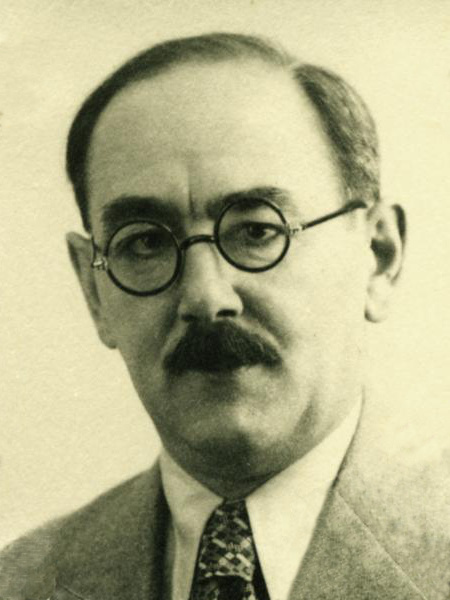


Political career and ideas
Nagy occupied senior government positions during the early years of Hungary's communist regime and led a program of limited economic and political reform when he first became chairman in the early 1950s. He favored easing forced collectivization in agriculture and allowing a degree of economic decentralization. These positions made him a controversial figure within the party, defining him as a moderate reformer rather than a hardline Stalinist.
Role in the 1956 Revolution
In October 1956 widespread protests and a national uprising unfolded in Budapest and other cities. Nagy returned to power in the hope of negotiating a peaceful solution. During the brief period of revolutionary control he announced political pluralism, proposed free elections and declared Hungary's intention to withdraw from the Warsaw Pact and to seek neutrality. His stand against Soviet intervention made him the central civilian leader of the movement.
Arrest, trial and execution
Following a full-scale Soviet military intervention that crushed the uprising, Nagy sought asylum but was arrested. He was taken into custody, subjected to a secret trial, and sentenced to death. Nagy was executed by hanging in Budapest on 16 June 1958. Contemporary accounts and later historical studies view his prosecution as a politically motivated act by the restored pro‑Soviet leadership. Documentation and analyses discuss the circumstances of his arrest and trial.
Legacy and rehabilitation
Decades after his death, Nagy became a potent symbol of national independence and resistance to foreign domination. In 1989 he was officially rehabilitated and reburied in a public ceremony that many observers saw as a moral turning point during the end of Communist rule in Hungary. His reputation today balances his role as an early communist official with his later advocacy for reform and national sovereignty.
Key facts
- Born: 7 June 1896, Kaposvár, Hungary.
- Served twice as head of government; known for reformist policies.
- Central figure of the 1956 Hungarian Revolution.
- Arrested after Soviet intervention; executed 16 June 1958.
- Later rehabilitated; remains reburied amid mass public mourning.
For further historical summaries and primary material on Nagy and the 1956 events see additional resources.
Related articles
Author
AlegsaOnline.com Imre Nagy: Hungarian reformer and leader of the 1956 uprising Leandro Alegsa
URL: https://en.alegsaonline.com/art/120912