
Imre Pozsgay: Hungarian politician and reformer (1933–2016)
Imre Pozsgay (1933–2016) was a leading Hungarian communist-era politician who became a prominent reformer and helped steer Hungary's negotiated transition to multi-party democracy in 1988–1990.
Overview
Imre András Pozsgay (26 November 1933 – 25 March 2016) was a prominent Hungarian politician who rose through the ranks of the communist-era Hungarian Socialist Workers' Party (MSZMP) and later became identified with political reform in the late 1980s. He held several ministerial offices and was a Member of Parliament from 1983 until 1994. Pozsgay is widely remembered for his public role during Hungary's negotiated transition from one-party rule to a multi-party system.
Image gallery
2 Images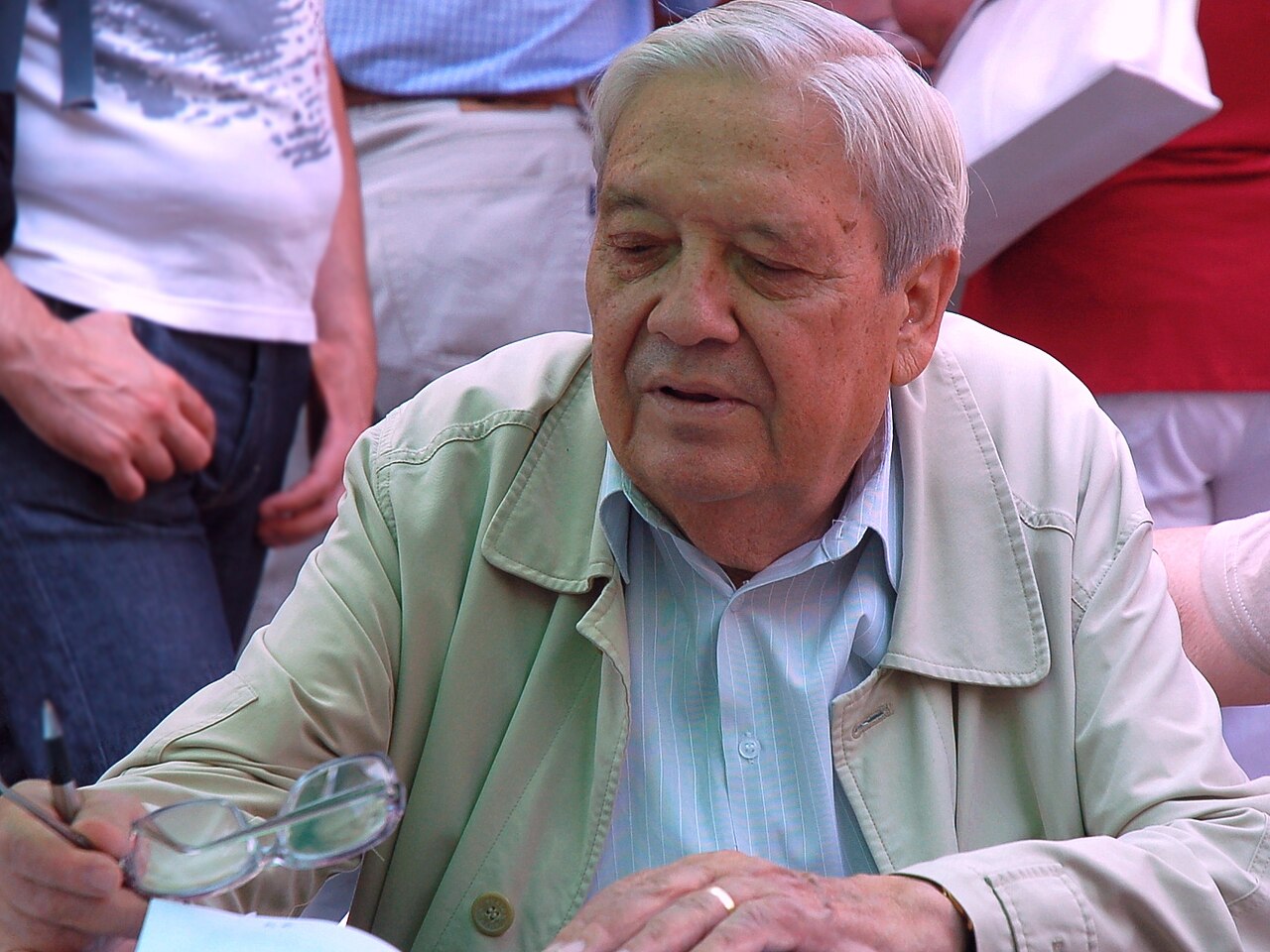

Career and offices
During his public career Pozsgay occupied leading cultural and educational portfolios before moving into higher-level state responsibilities. He served as Minister of Culture from 1976 to 1980 and as Minister of Education from 1980 to 1982. Later he returned to the central organs of government and served as Minister of State from 1988 to 1990. He was elected to the national parliament in 1983 and remained an MP until 1994.
Role in Hungary's democratic transition
In the late 1980s, as economic and political pressures mounted, Pozsgay emerged as one of the more reform-minded figures within the ruling party. He took part in the discussions and negotiations that opened space for opposition groups and helped prepare legal and political changes leading to free elections. One of the most widely noted moments of this period was his public reassessment of the events of 1956: in 1989 he characterized the 1956 uprising as a popular, national movement rather than exclusively a counter-revolution, a reinterpretation that helped break a long-standing taboo and altered the political discourse. For contemporary summaries of Hungary's move to democracy see background on the transition.
Timeline of selected positions
- Minister of Culture, 1976–1980
- Minister of Education, 1980–1982
- Member of Parliament, 1983–1994
- Minister of State, 1988–1990
Legacy and later life
Observers credit Pozsgay with playing a constructive, if sometimes controversial, role in Hungary's peaceful transition. Supporters view him as a pragmatic reformer who helped negotiate institutional changes and opened dialogue with opposition forces; critics have pointed to his long service within the communist establishment and questioned the motives and limits of his reforms. After the first post-communist elections he remained active in public life for a time but gradually withdrew from frontline politics. He died in 2016. For records of his parliamentary service and official posts consult relevant parliamentary archives and biographies, for example parliamentary records.
While Pozsgay is often associated with the symbolic and constitutional shifts of 1989–1990, assessments of his overall impact vary among historians and political commentators. He remains a central figure in studies of Hungary's transition because his actions illustrate how internal reformers within ruling parties can influence processes of negotiated democratization.
Related articles
Author
AlegsaOnline.com Imre Pozsgay: Hungarian politician and reformer (1933–2016) Leandro Alegsa
URL: https://en.alegsaonline.com/art/120913
Sources
- index.hu : "Meghalt Pozsgay Imre"