
Inezita Barroso — Brazilian singer, folklorist and cultural figure
Inezita Barroso (1925–2015), Brazilian sertanejo singer, guitarist, actress, TV presenter, librarian and folklorist known for preserving and promoting traditional country music and rural culture.
Overview
Inezita Barroso (born Ignez Magdalena Aranha de Lima; 4 March 1925 – 8 March 2015) was a prominent Brazilian performer and cultural advocate. She became widely known as a singer of sertanejo and traditional rural songs, a guitarist, an actress and a television presenter. Beyond performance, she worked as a librarian, teacher and folklorist, dedicating much of her life to collecting, preserving and popularizing Brazil's musical heritage.
Image gallery
2 Images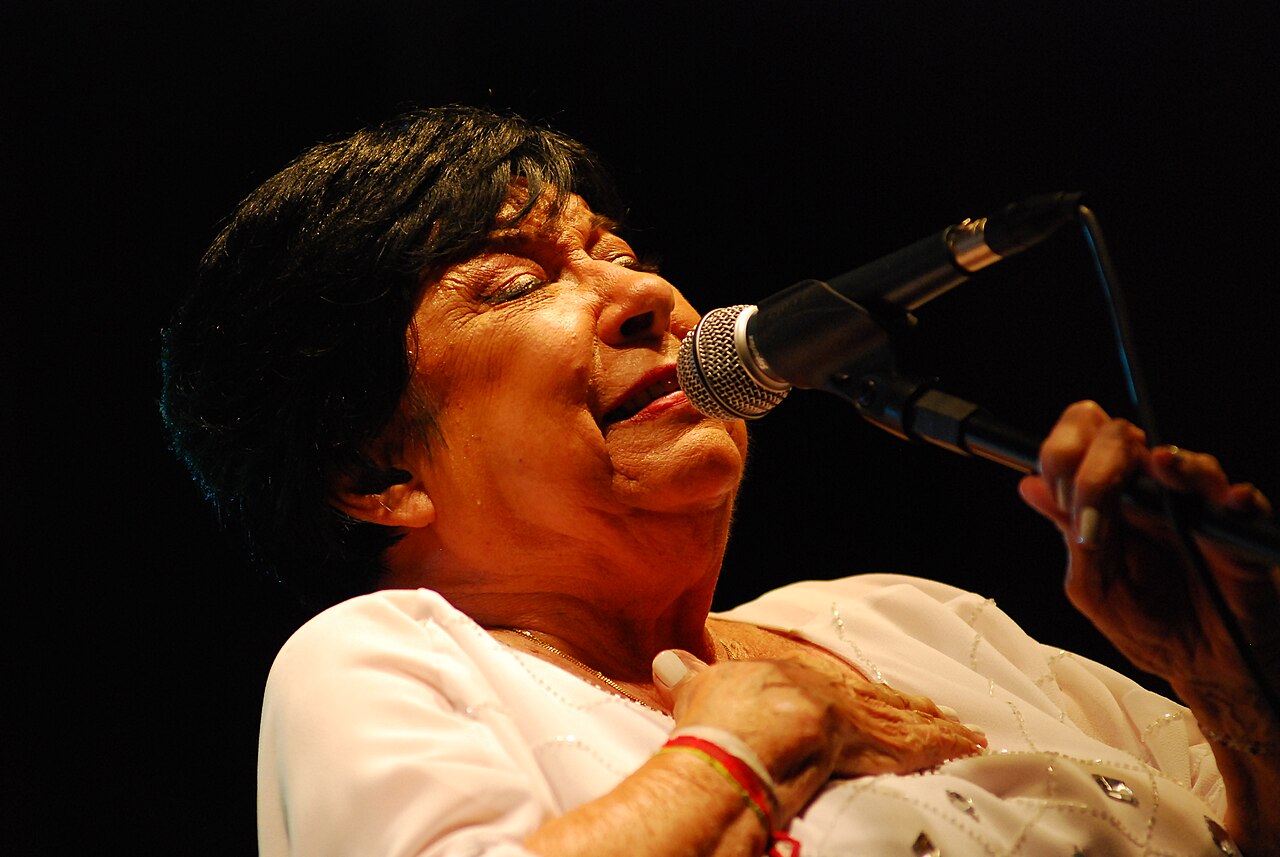

Career and roles
Barroso's public career spanned several media and activities. She recorded and performed a large repertory of country and folk songs, appeared in film and television roles, and presented programs that highlighted traditional Brazilian music. Her work combined artistic performance with research and public education, helping bring regional repertoires to urban audiences.
Musical style and repertoire
Her repertoire drew on sertanejo traditions and rural folk material from various Brazilian regions. She was known for her clear vocal delivery and for accompanying herself on guitar-like instruments commonly associated with countryside music, favoring simple, authentic arrangements that emphasized melody and storytelling. Barroso often selected songs that reflected rural life, customs and language, presenting them with respect for their vernacular origins.
Legacy and significance
As a performer and folklorist, Inezita Barroso is remembered for her role in preserving traditional Brazilian music. She influenced younger musicians, promoted regional musicians and repertories, and served as a public face for cultural heritage initiatives. Her career earned her broad recognition and numerous honors from cultural institutions interested in safeguarding intangible heritage.
Notable facts and later life
- She combined artistic work with scholarly interests in folklore and librarianship.
- Barroso hosted television programs that focused on caipira and rural musical traditions, helping to keep those styles in public view.
- Her recordings and public presentations remain reference points for students of Brazilian popular and folk music.
Inezita Barroso died after a long illness in São Paulo; contemporary reports noted her passing in the city of São Paulo, Brazil, on 8 March 2015 at the age of 90. Her work continues to be cited in discussions of national musical identity and the preservation of rural cultural expressions.
Related articles
Author
AlegsaOnline.com Inezita Barroso — Brazilian singer, folklorist and cultural figure Leandro Alegsa
URL: https://en.alegsaonline.com/art/120920
Sources
- musica.uol.com.br : "Morre em SP, aos 90 anos, a dama da música caipira, Inezita Barroso"