
Debian — a free GNU operating system and Linux distribution
Debian is a community-developed, free operating system based on GNU and usable with several kernels. It is known for its package system, stability, and many derivatives such as Ubuntu.
Debian is a free operating system created and maintained by a global community of volunteers. It is built from the GNU userland and can operate with different kernels; when paired with the Linux kernel it is commonly called Debian GNU/Linux. The project provides installation media, binary packages and source code suitable for many kinds of computers. For general information see Debian project and for the relationship to the GNU system see GNU operating system. The Linux kernel version is often referenced at Linux.
Image gallery
10 Images






Characteristics and structure
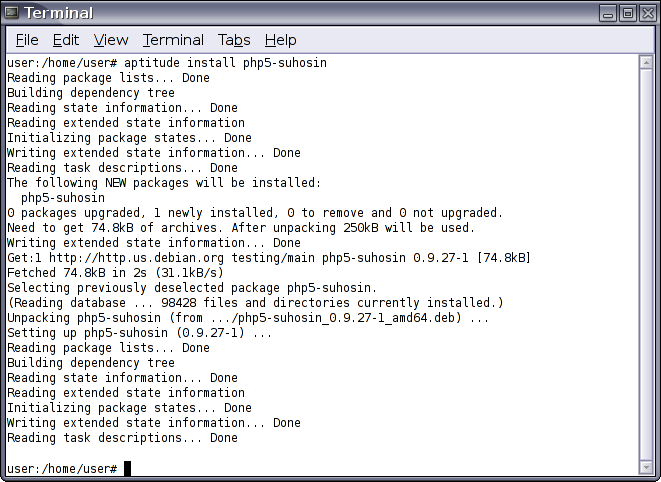
Debian emphasizes free software, documented policies and reproducible package builds. Its archive is organized into three main branches: stable, testing and unstable, which balance reliability and currency. Packages are managed with the dpkg low-level tool and higher-level utilities such as APT. The project maintains repositories for many architectures and provides both binary and source packages.
Key components
- Package management: dpkg and APT with signed repositories.
- Release branches: stable (recommended for production), testing (preparing next stable), unstable (active development).
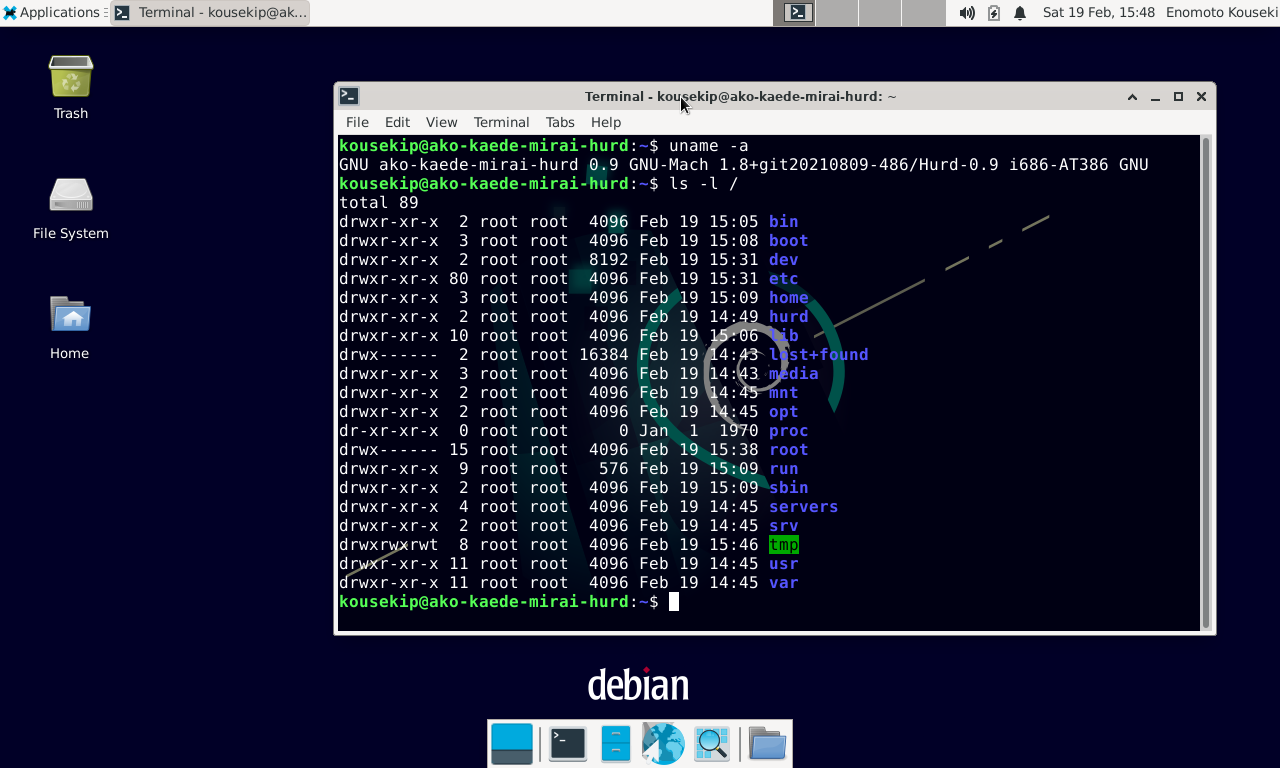
- Kernel choices: commonly Linux, and community ports exist for other kernels such as kFreeBSD and Hurd.
The project is governed by a social contract and a set of guidelines which describe its commitment to free software and to users. Debian's package policies and quality assurance practices contribute to its reputation for predictability and long-term support.
History and development model
Debian was founded in the early 1990s and has grown into a broad community with elected leaders, maintainers and contributors. Development is collaborative: volunteers submit packages, review changes and run build and test infrastructure. Release codenames are taken from characters in the movie "Toy Story," a long-standing tradition within the project.
Derivatives, influence and notable forks
Because of its stability and liberal licensing, Debian has been the base for many other distributions. A well-known derivative is Ubuntu, which in turn has spawned additional downstream projects. Debian's principles and technical choices have influenced much of the free software ecosystem and many server and desktop deployments worldwide; see comparisons among GNU/Linux distributions for context.
Uses and practical considerations
Debian is commonly used on servers, workstations and embedded devices. It offers installation options from minimal network installers to full desktop images and live media. Administrators often select Debian for servers where long-term stability and security updates are priorities, while developers and advanced users may prefer the testing or unstable branches to access newer software.
For newcomers, the project documentation and community resources are important starting points; consult official pages and community guides via Debian and related links to learn installation steps, package management commands and recommended practices.
Questions and answers
Q: What is Debian?
A: Debian is a free operating system, which is a distribution of an operating system known as the GNU operating system.
Q: What kernels can be used with Debian?
A: The kernels that can be used with Debian are Linux, kFreeBSD, and Hurd.
Q: How is the combination of these kernels referred to?
A: The combination of these kernels is referred to as Debian GNU/Linux, Debian GNU/kFreeBSD, and Debian GNU/Hurd respectively.
Q: Is Debian one of the most complete and popular GNU/Linux distributions?
A: Yes, it is one of the most complete and popular GNU/Linux distributions.
Q: Are other distributions based on Debian?
A: Yes, other distributions like Ubuntu are based on Debian.
Q: Is there a cost associated with using the operating system?
A: No, there is no cost associated with using this operating system as it's free.
Related articles
Author
AlegsaOnline.com Debian — a free GNU operating system and Linux distribution Leandro Alegsa
URL: https://en.alegsaonline.com/art/26072
Sources
- debian.org : "What Does Free Mean? or What do you mean by Free Software?"
- lists.debian.org : "Debian Installer 7.0 RC3 release"
- debian.org : "License information"
- ohloh.net : "Debian GNU/Linux Licenses" · web.archive.org
- us.debian.org : "The Debian GNU/Linux FAQ Chapter 6 - The Debian FTP archives"
- debian.org : "Debian security FAQ"
- lists.debian.org : "announcing the beginning of security support for testing"
- testing-security.debian.net : "Debian testing security team"
- lists.debian.org : "Debian GNU/Linux 2.2, the "Joel 'Espy' Klecker" release"
- wiki.debian.org : "Debian Wiki: Debian Releases > Debian Etch"
- lists.debian.org : "Debian GNU/Linux 4.0 released"