
Howard H. Baker Jr.
American Republican politician known for Senate leadership, bipartisan reputation, role in Watergate inquiries, White House service, and later ambassadorship to Japan.
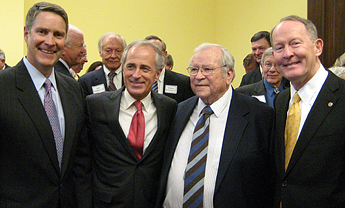
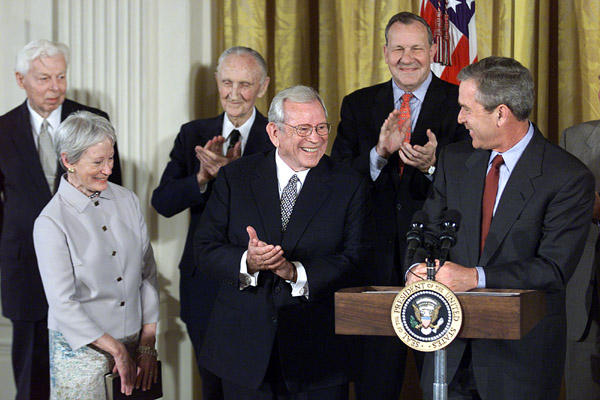
Howard H. Baker Jr. (1925–2014) was a prominent American politician and statesman noted for his measured style, institutional leadership, and ability to work across party lines. A Republican from Tennessee, he served multiple terms in the U.S. Senate and held top congressional and executive posts during a public career that spanned decades. He is widely remembered for a key question during the Watergate era and for shaping Senate practice in the late 20th century.
Image gallery
6 Images



Background and early life
Baker grew up in Tennessee and trained as a lawyer before entering public life. He served in the armed forces during World War II and later practiced law, developing the legal and political grounding that would support his career in elective office. His upbringing in a rural Southern community and professional background informed his pragmatic approach to policy and coalition-building.
Political career and major roles
During his time in federal government, Baker held several high-profile positions. He was a long-serving U.S. Senator from Tennessee, rose to lead his party in the Senate as both Senate Majority Leader and minority leader, and was widely regarded for steady stewardship of the chamber. Later he served in the White House as Chief of Staff and, in the early 2000s, represented the United States as its Ambassador to Japan. He was a member of the Republican Party (Republican) and became known for emphasizing process and civility.
Notable events and reputation
Baker played a visible role in the Senate during the Watergate investigations, asking the memorable question, “What did the President know and when did he know it?” That moment helped define his reputation as an incisive, yet restrained, investigator. Colleagues and commentators later called him a conciliator who could bridge partisan divides; he was effective at marshaling votes while preserving Senate norms.
Later life, private work, and legacy
After leaving full-time elected office, Baker remained active as an adviser and lobbyist, joining a prominent law and government relations firm where he continued to influence public affairs. His diplomatic service in Japan and his tenure in the executive branch extended his impact beyond the Senate. He died in 2014 from complications following a stroke, leaving a legacy as a statesmanally minded Republican who valued bipartisanship and institutional integrity.
Key facts
- Renowned for bipartisanship and procedural expertise in the Senate.
- Played a public role in the Watergate-era inquiries.
- Served in senior roles across the legislative, executive, and diplomatic branches.
- Worked in the private sector as a lawyer, adviser, and lobbyist after public service.
Baker's career illustrates how legislative leadership, investigative poise, and later diplomatic work can shape a long public legacy. For more on his speeches, votes, and personal papers, consult dedicated archival collections and historical summaries maintained by libraries and research institutions.
Related articles
Author
AlegsaOnline.com Howard H. Baker Jr. Leandro Alegsa
URL: https://en.alegsaonline.com/art/120714
Sources
- opensecrets.org : "Revolving Door: Howard H Jr Baker Employment Summary"
- usatoday.com : "Former Senate GOP leader Howard Baker dies"
- tennessean.com : "Howard Baker, former Senate Majority Leader, dies at 88"