
Howard Hawks: American filmmaker of the classic Hollywood era
Howard Hawks (1896–1977) was a versatile American director, producer and screenwriter who made influential films across genres and helped define Hollywood storytelling techniques.
Howard Winchester Hawks (May 30, 1896 – December 26, 1977) was an American motion-picture director, producer and screenwriter whose career spanned the silent era into the 1960s. Working in the heart of classic Hollywood, Hawks became known for economical storytelling, sharp dialogue and a facility with many genres. He made comedies, gangster pictures, melodramas, westerns and science-fiction films, and his name is now closely associated with a set of recurring character types and narrative rhythms that influenced subsequent generations of filmmakers.
Image gallery
10 Images


Artistic characteristics and recurring themes
Hawks favored tightly constructed scenes and a naturalistic approach to performance. His films often emphasize professional codes of conduct and group dynamics — pilots, lawmen, newspapermen, ranchers — and foreground skill, competence and mutual respect among characters. A hallmark is the rapid, overlapping dialogue and an easy rapport among cast members, producing a conversational energy that serves both comedy and tension. Hawks also repeatedly depicted forthright, competent women who matched men in wit and agency; critics and scholars commonly refer to this type as the "Hawksian woman."
Notable films and genres
- Scarface (1932) — an early crime drama that helped define the gangster film.
- Bringing Up Baby (1938) — a celebrated screwball comedy pairing Katharine Hepburn and Cary Grant.
- Only Angels Have Wings (1939) — an ensemble drama about pilots and duty.
- His Girl Friday (1940) — a fast-paced comedy built on overlapping exchanges.
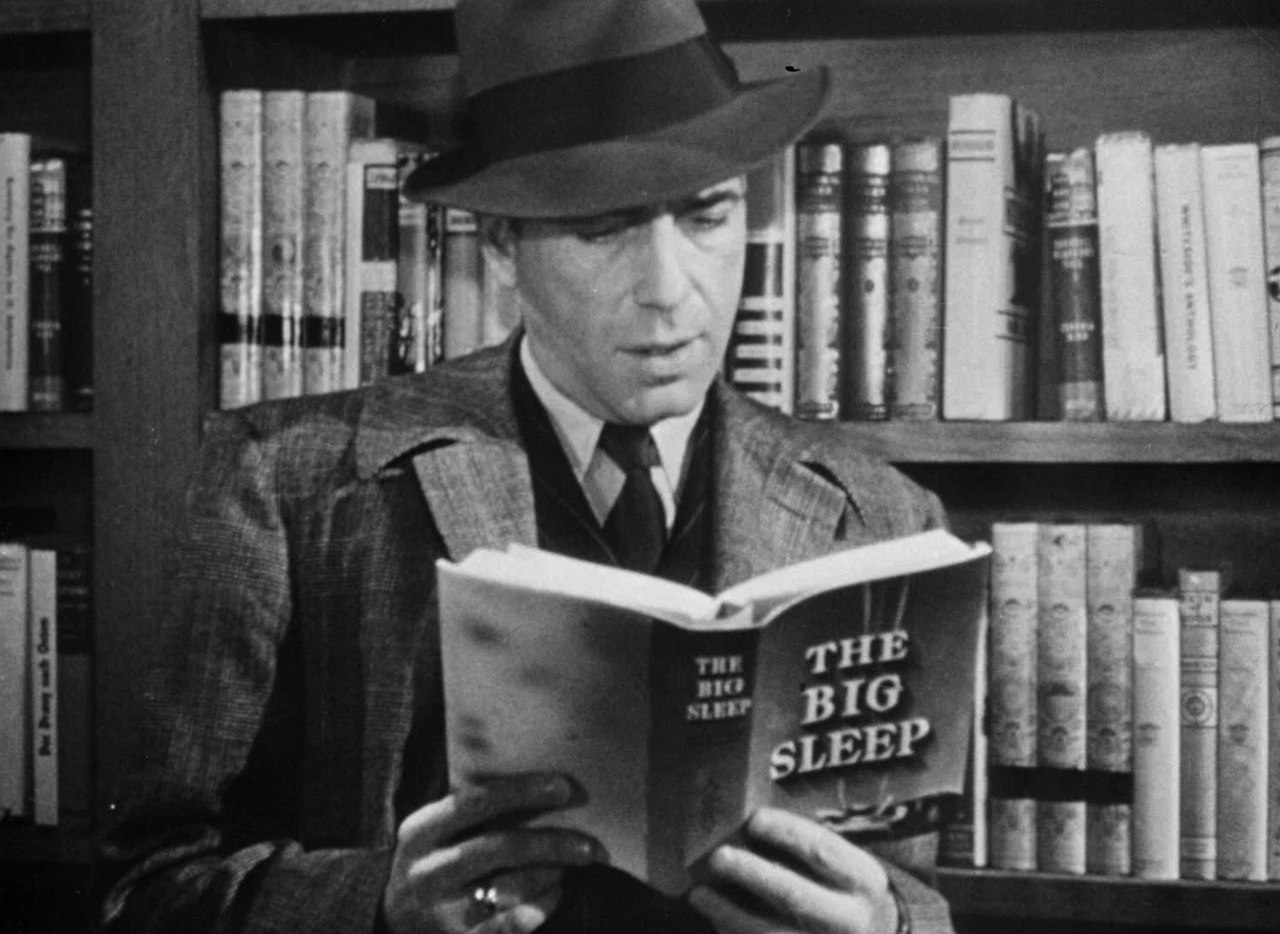
- To Have and Have Not (1944) and The Big Sleep (1946) — adaptations that mixed romance, crime and noir elements, the latter often discussed alongside film noir.
- Red River (1948) and Rio Bravo (1959) — westerns that explore leadership, loyalty and the frontier code.
- The Thing from Another World (1951) — a notable early science-fiction/horror collaboration that helped shape postwar genre cinema.
Career milestones and recognition
Hawks received industry recognition during his lifetime. In 1942 he earned an Academy Award nomination for Best Director for Sergeant York; the nomination was made by members of the Academy of Motion Picture Arts and Sciences and listed under the award category Best Director. Later, in 1975, the Academy awarded him an Honorary Academy Award for his body of work. Beyond formal honors, Hawks's films have remained in critical circulation and are frequently taught in film history and production courses.
Influence and legacy
Hawks's combination of genre versatility, conversational screenwriting and emphasis on professional communities influenced many directors who followed. Filmmakers such as Martin Scorsese, Robert Altman, John Carpenter and Quentin Tarantino have cited Hawks or shown traces of his approach in their own work, whether through ensemble dynamics, snappy dialogue or cross-genre ambition. His films continue to be restored, reissued and studied for both their craft and their recurring concentration on competence, camaraderie and wit.
Because Hawks worked across so many popular forms, his career offers a compact history of classic American studio filmmaking: an example of technical skill, collaborative direction and an enduring interest in what people do together when a job must be done. For readers seeking original sources and modern commentary, filmographies and critical essays remain widely available and are routinely linked in film archives and retrospectives.
Questions and answers
Q: Who was Howard Winchester Hawks?
A: Howard Winchester Hawks was an American movie director, producer and screenwriter of the classic Hollywood era.
Q: What is the classic Hollywood era?
A: The classic Hollywood era is the time between 1917 and 1960 when American films first started to be created.
Q: What types of films did Hawks make?
A: Hawks made many different kinds of films including funny films, dramas, gangster films, science fiction, film noir, and westerns.
Q: What are some popular movies that he made?
A: Some of his popular movies include Scarface (1932), Bringing Up Baby (1938), Only Angels Have Wings (1939), His Girl Friday (1940), To Have and Have Not (1944), The Big Sleep (1946), Red River (1948), The Thing from Another World (1951) and Rio Bravo (1959).
Q: How did Hawks influence other movie directors?
A: His work has influenced some of the most popular movie directors such as Martin Scorsese, Robert Altman, John Carpenter and Quentin Tarantino.
Q: What kind of women were often included in his films?
A: He often included strong women who talked a lot in his films. This kind of woman was in so many of Hawks's films that people now call that type of woman a "Hawksian woman."
Q: Was he ever nominated for an Academy Award?
A: In 1942, other movie people in the Academy of Motion Picture Arts and Sciences nominated him for the Academy Award for Best Director for his work making Sergeant York. In 1975 he received an Honorary Academy Award.
Related articles
Author
AlegsaOnline.com Howard Hawks: American filmmaker of the classic Hollywood era Leandro Alegsa
URL: https://en.alegsaonline.com/art/120722
Sources
- us.imdb.com : "Awards."
- telegraph.co.uk : "Howard Hawks: The king of American cool."
- books.google.com : Howard Hawks: The Grey Fox of Hollywood
- britannica.com : "Howard Hawks, American director"