
Herbert Spencer: Victorian Philosopher, Social Theorist and Liberal Thinker
Overview of Herbert Spencer (1820–1903), his evolutionary social philosophy, major works, influence on sociology and politics, and the controversies around 'survival of the fittest'.
Overview
Herbert Spencer (27 April 1820 – 8 December 1903) was an English philosopher known for applying evolutionary ideas to a broad range of subjects including ethics, society and knowledge. He became a leading public intellectual in the late 19th century and was widely read in Britain and abroad for his attempts to build a comprehensive, unified account of human progress and social order.
Image gallery
9 Images

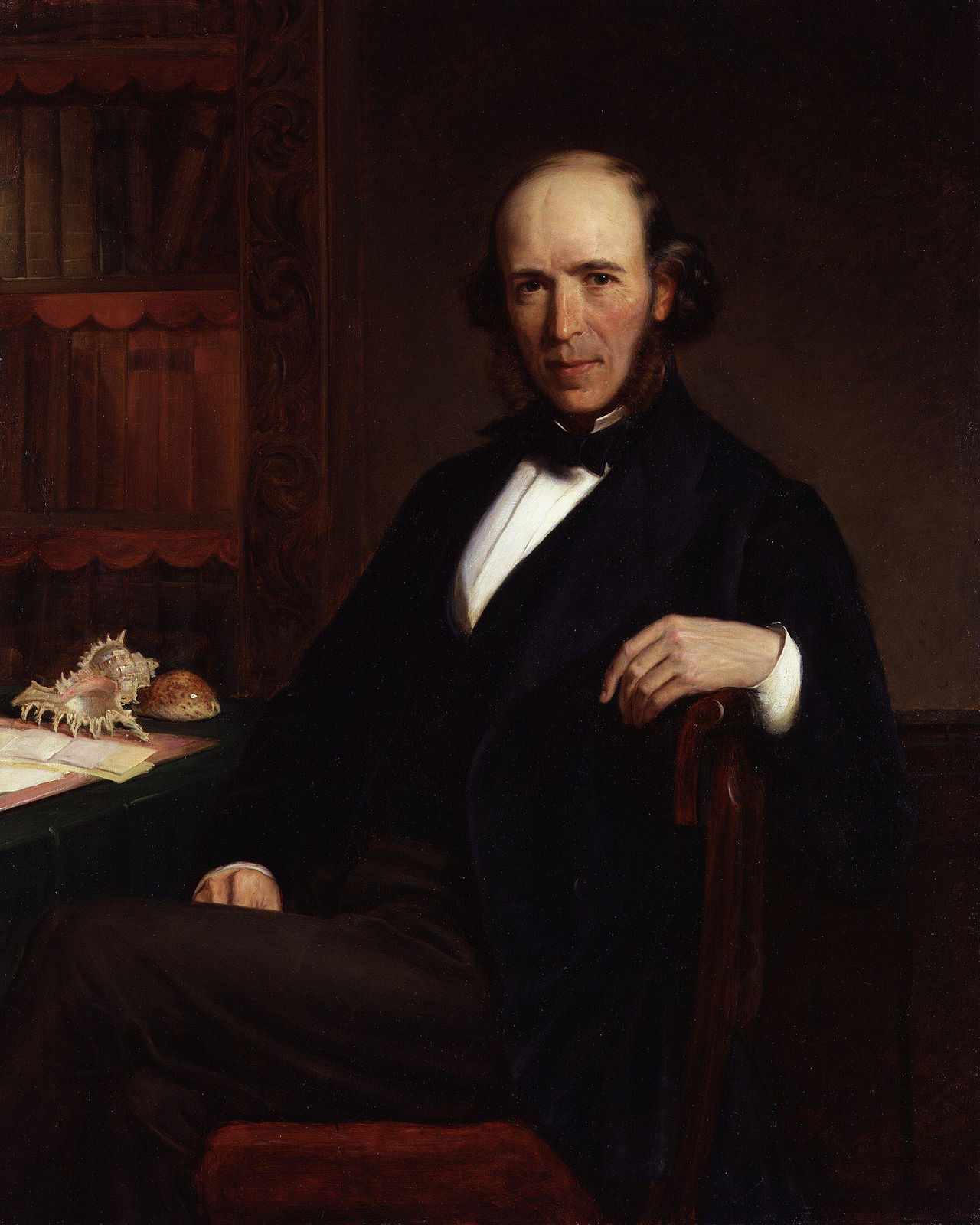

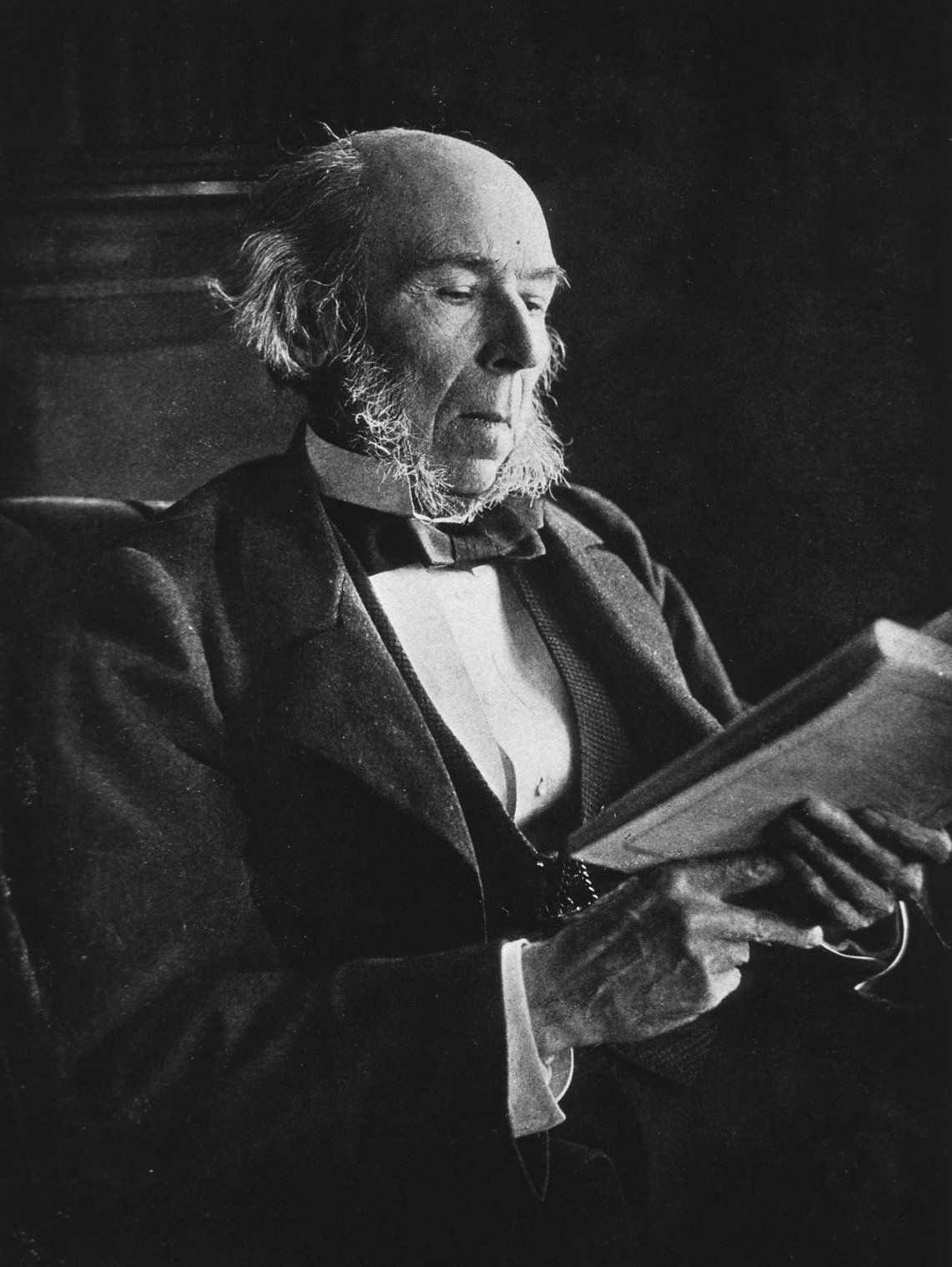

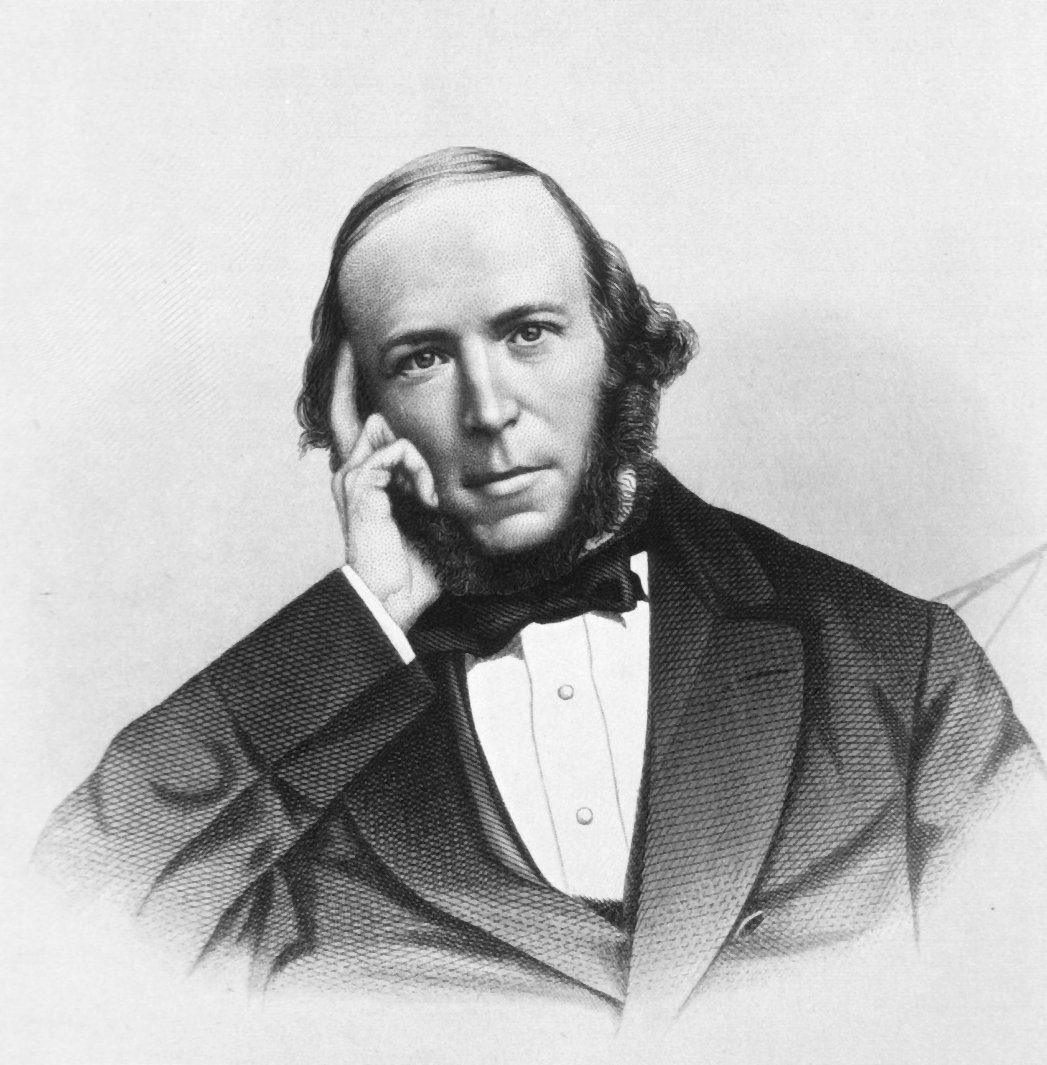

Core ideas and characteristics
Spencer sought a systematic framework he called the "Synthetic Philosophy," which aimed to connect biology, psychology, sociology and ethics through principles of evolution. He distinguished between "social statics," the factors that preserve social order, and "social dynamics," the processes of change. Famously, he popularized the phrase "survival of the fittest" to describe competitive selection in social as well as biological contexts, a formulation later echoed by others. Spencer generally argued for individual liberty, limited government interference, and the moral importance of personal responsibility.
Major works and examples
- Principles of Biology — theoretical work linking life processes to evolutionary ideas.
- Principles of Psychology and Principles of Sociology — attempts to apply general theory to mind and society.
- Various essays on education, ethics and political economy collected across his "Synthetic Philosophy."
These writings combined abstract theorizing with practical prescriptions, often advocating laissez-faire approaches in economics and resistance to extensive state welfare programs.
Influence, reception and distinctions
During the Victorian era Spencer was as influential as many contemporary scientists and moralists. His ideas helped shape early sociology and influenced political debates about reform and charity. In the United States and elsewhere his arguments were sometimes invoked to justify limited government and free-market policies. Historians now draw a careful distinction between Spencer's philosophical evolutionism and Charles Darwin's biological theory: the term "Social Darwinism" is a later label for a range of views that used evolutionary language in social policy, and it does not map directly onto Darwin's scientific work.
Controversies and legacy
Spencer's reputation declined in the 20th century as critics pointed to the social consequences of policies justified in his name and to oversimplifications in his analogies between society and biology. Nevertheless, his scale and ambition—attempting to unify knowledge under an evolutionary framework—remain historically important. Scholars study his work to understand Victorian intellectual life, the development of social theory, and the roots of debates about freedom, progress and the role of the state.
For further reading about his life, thought and influence see general surveys on 19th-century social philosophy and specialized accounts of early sociology and political theory. Many contemporary accounts also analyze the differences between Spencerian evolutionary ideas and later scientific developments in biology and social science.
Key terms and links: liberal, political, and primary texts and commentary in collected editions and modern introductions.
Questions and answers
Q: Who was Herbert Spencer?
A: Herbert Spencer was an English philosopher and a prominent liberal political and social theorist of the Victorian era.
Q: When was Herbert Spencer born?
A: Herbert Spencer was born on 27 April 1820.
Q: When did Herbert Spencer pass away?
A: Herbert Spencer passed away on 8 December 1903.
Q: What type of thinker was Herbert Spencer?
A: Herbert Spencer was a philosopher, as well as a prominent liberal political and social theorist.
Q: Where did Herbert Spencer live during his lifetime?
A: During his lifetime, Herbert Spencer lived in England.
Related articles
Author
AlegsaOnline.com Herbert Spencer: Victorian Philosopher, Social Theorist and Liberal Thinker Leandro Alegsa
URL: https://en.alegsaonline.com/art/120589
Sources
- educ.southern.edu : "Pioneers of Psychology (2001 Tour) - School of Education & Psychology"
- works.bepress.com : "Better Competition Advocacy"