
Henry Dunant
Swiss businessman and social reformer whose witness of the Battle of Solferino led to A Memory of Solferino, the founding of the International Committee of the Red Cross and the 1864 Geneva Convention.
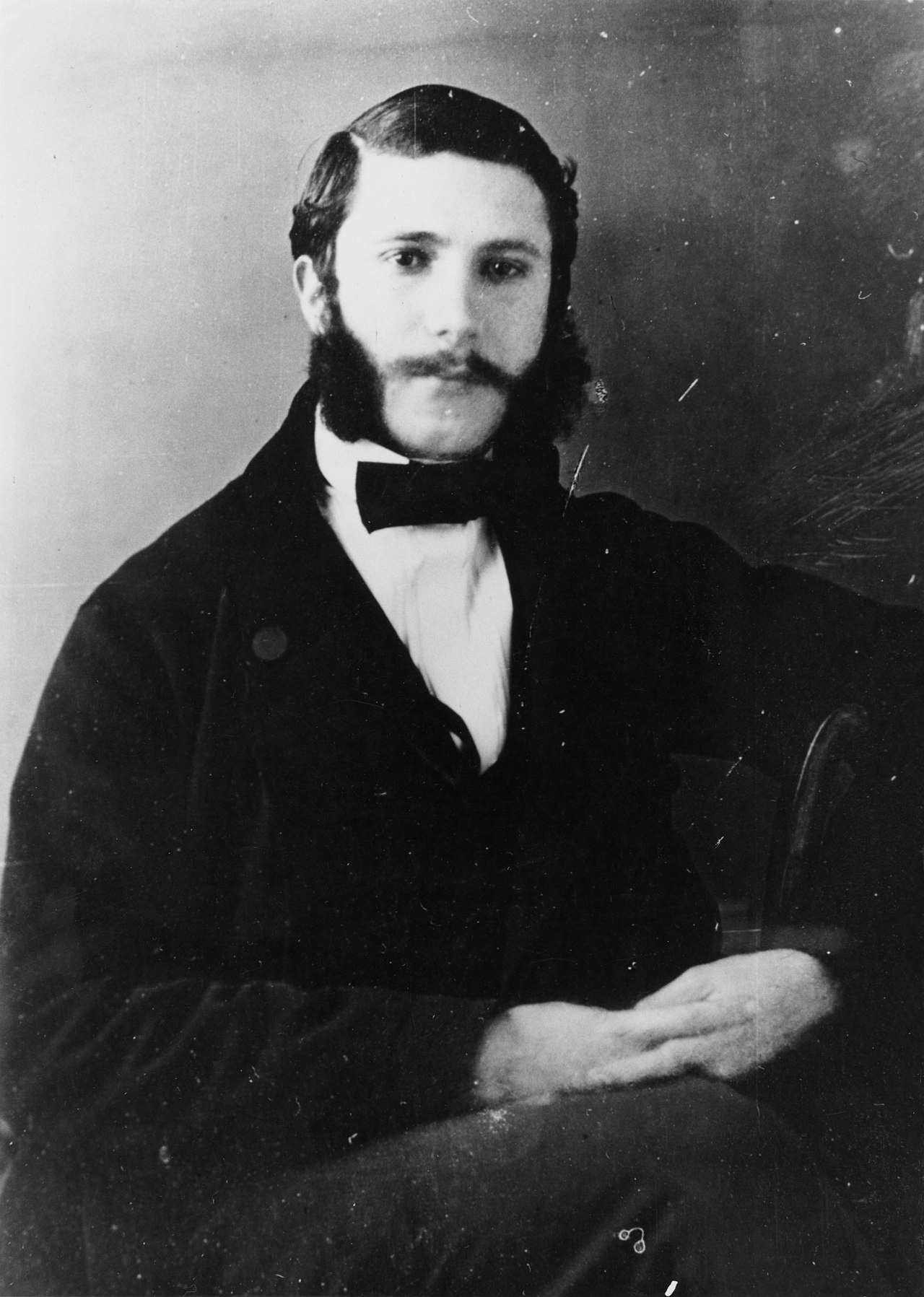
Jean Henri Dunant (commonly Henry Dunant) was a Swiss businessman and social activist whose ideas and humanitarian campaigning in the mid-19th century helped reshape care for the wounded in war. He is best known for documenting what he saw after a major battlefield and for proposing neutral, voluntary relief for combat casualties.
Image gallery
10 Images






Witness at Solferino and the book
While traveling on business, Dunant encountered the aftermath of the Battle of Solferino. Disturbed by the suffering and the lack of organized medical assistance, he organized local volunteers to care for the wounded and later described his observations in a short but influential book, A Memory of Solferino. That account called for carved-out neutral medical services and the establishment of national relief societies to assist wounded soldiers regardless of side.
Founding of the Red Cross and the Geneva Convention
Dunant’s proposals helped prompt the creation of a committee in Geneva that became the basis for the International Committee of the Red Cross. The ideas he put forward influenced delegates and public opinion, contributing to the 1864 Geneva Convention, the first international treaty to set rules for the protection of battlefield victims and medical personnel. The movement also introduced a protective emblem for medical services and encouraged the formation of national societies to assist in times of war.
Later life, recognition and Nobel Prize
Despite the profound influence of his writings, Dunant experienced business failure and personal hardship later in life and for a time lived in relative obscurity. Toward the end of his life his contributions were widely acknowledged; in 1901 he shared the inaugural Nobel Peace Prize with Frédéric Passy for his role in founding the international humanitarian movement. The organization he helped inspire, represented today by the International Committee of the Red Cross, continues to play a major role in modern humanitarian law and relief.
Legacy and notable facts
- Dunant’s A Memory of Solferino is widely cited as the catalyst for the modern international humanitarian movement.
- His advocacy contributed directly to the adoption of the first Geneva Convention on the care of wounded soldiers.
- He was a co-founder and early influence on the organization that became the International Committee of the Red Cross.
- In 1901 he became a co-recipient of the first Nobel Peace Prize, recognizing the long-term global impact of his ideas.
Henry Dunant’s life illustrates how a single firsthand witness account and determined public campaigning can produce enduring institutions and legal norms intended to limit suffering in war. His work remains a foundational chapter in the history of humanitarianism and international humanitarian law.
Related articles
Author
AlegsaOnline.com Henry Dunant Leandro Alegsa
URL: https://en.alegsaonline.com/art/120524