
Frédéric Passy
French economist and leading peace activist (1822–1912), advocate of free trade and international arbitration; co-recipient of the first Nobel Peace Prize in 1901 for his work promoting peaceful conflict resolution.
Overview
Frédéric Passy (May 20, 1822 – June 12, 1912) was a prominent French economist and public advocate for peace. Known for linking classical liberal economic ideas with a crusade for nonviolent international relations, he became one of the most visible figures in the late 19th- and early 20th-century peace movement. In 1901 he was awarded the inaugural Nobel Peace Prize jointly with Henry Dunant.
Image gallery
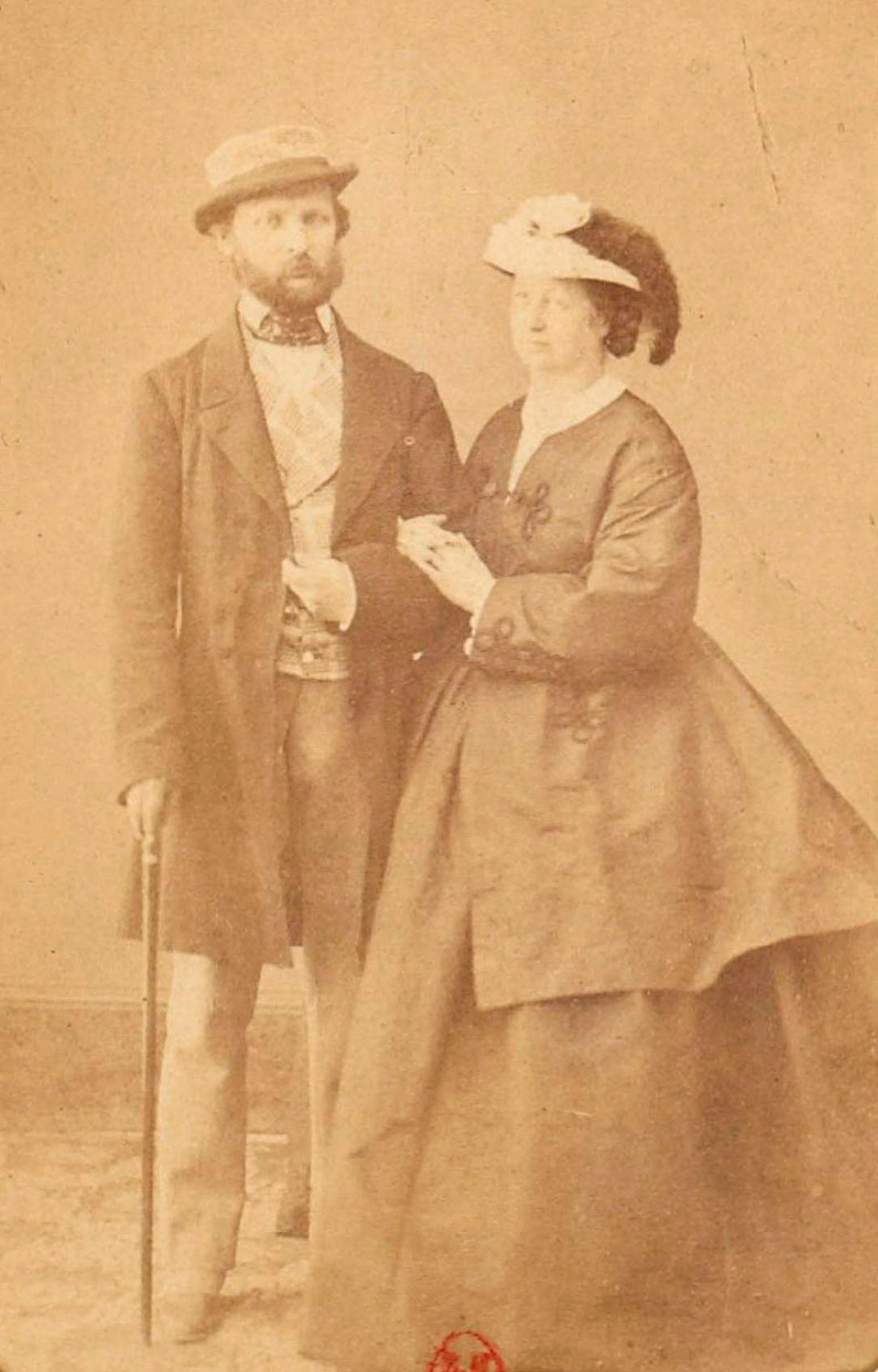
6 Images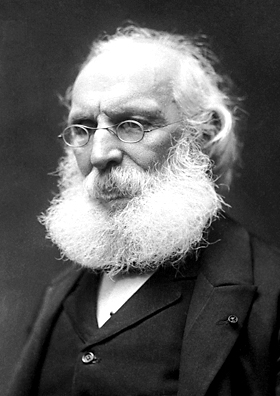



Ideas and economic thought
Passy adhered to free-trade principles inspired by British liberal thinkers, and he wrote and lectured extensively on the benefits of economic openness. His economic perspective emphasized peaceful commerce as a means to reduce the incentives for war, arguing that mutual economic interest could promote international cooperation. He is often described as a liberal economist and public intellectual who popularized Cobdenite ideas in France; see his classification as a French economist in contemporary accounts.
Peace advocacy and activities
Passy devoted much of his career to organizing and advising peace societies, promoting arbitration between states, and educating citizens about nonmilitary dispute resolution. He combined writing—pamphlets, articles, speeches—with practical efforts to build networks of activists and institutions that favored legal methods over armed conflict.
Notable contributions
- Popularizing the idea that free trade and arbitration reduce war risk.
- Founding and leading peace associations and internationalist initiatives.
- Raising public awareness through journalism and public speaking.
Passy’s work helped shape the international peace movement around arbitration and law. His Nobel Prize recognition in 1901 acknowledged both his writings and his organizational role in advancing peaceful mechanisms for resolving disputes. His legacy endures in histories of pacifism, international law, and liberal economic thought.
Related articles
Author
AlegsaOnline.com Frédéric Passy Leandro Alegsa
URL: https://en.alegsaonline.com/art/118999