
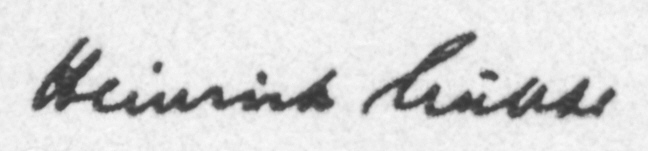
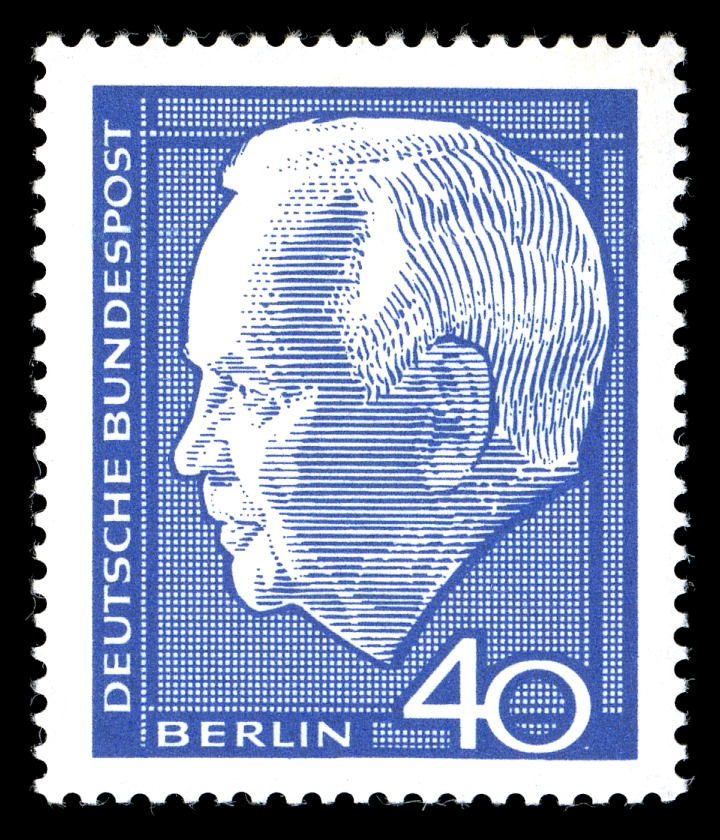
Heinrich Lübke (1894–1972): President of the Federal Republic of Germany
Heinrich Lübke (1894–1972) served as the second President of the Federal Republic of Germany (1959–1969). A CDU politician, his tenure covered the Cold War era and the country’s postwar recovery; later scrutiny touched his past.
Overview
Heinrich Lübke (14 October 1894 – 6 April 1972) was a German statesman who served as the second President of the Federal Republic of Germany from 1959 until 1969. Elected by the Federal Convention, he held a largely ceremonial office but was a visible national symbol during a decade of reconstruction, economic growth and Cold War tension.
Image gallery
10 Images




Career and role
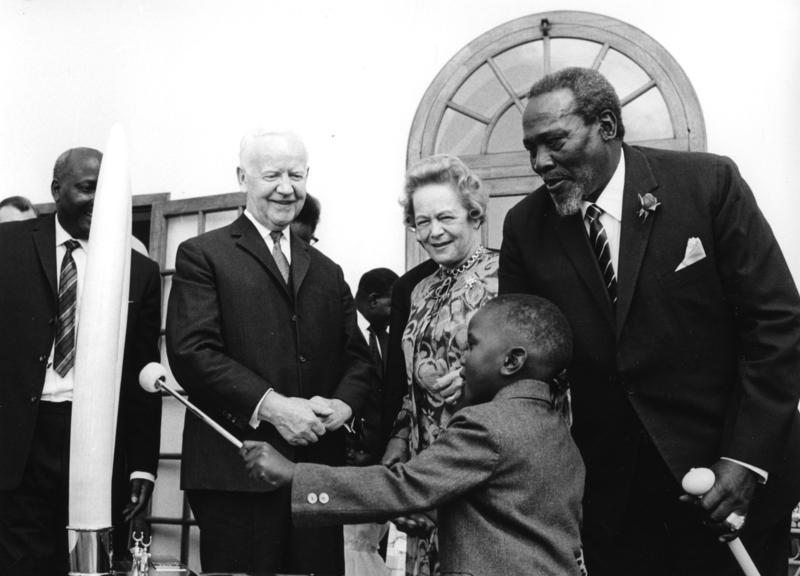
Lübke belonged to the Christian Democratic Union (CDU) and had a long career in public service before becoming president. As head of state he performed constitutional duties such as signing laws, representing the country abroad and conferring honours. Although the office carries limited executive power, his speeches and appearances contributed to public debate and Germany’s image overseas.
He was elected president in 1959 and re-elected in 1964, serving through two full terms until 1969. His decade in office coincided with the consolidation of West German democracy, the Wirtschaftswunder (economic miracle) and the persistent geopolitical division of Europe.
Controversies and later life
After his presidency, aspects of Lübke’s past attracted scrutiny, including questions about his academic work and activities during the Nazi era. These issues prompted public discussion about accountability and the vetting of public figures, but they did not erase the role he played in a formative period of West German history. He died in 1972.
Key facts
- Born: 14 October 1894
- Died: 6 April 1972
- President of: Federal Republic of Germany, 1959–1969
- Party: Christian Democratic Union (CDU)
- Predecessor: Theodor Heuss; Successor: Gustav Heinemann
Related articles
Author
AlegsaOnline.com Heinrich Lübke (1894–1972): President of the Federal Republic of Germany Leandro Alegsa
URL: https://en.alegsaonline.com/art/120454