
List of General Secretaries of the Soviet Union
Overview and list of the officials who held the Communist Party's top post — the General (or First) Secretary — their role, historical development, and principal occupants.
Overview
The General Secretary was the highest position inside the Communist Party of the Soviet Union, the institution that dominated Soviet political life. Because the party was the effective ruling organization and, for much of Soviet history, the only legal political party, the person holding this post became the central figure in national leadership.
Image gallery
10 Images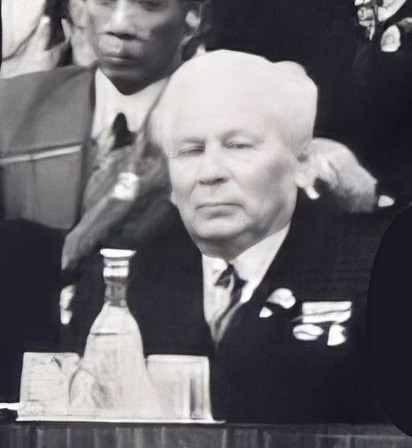

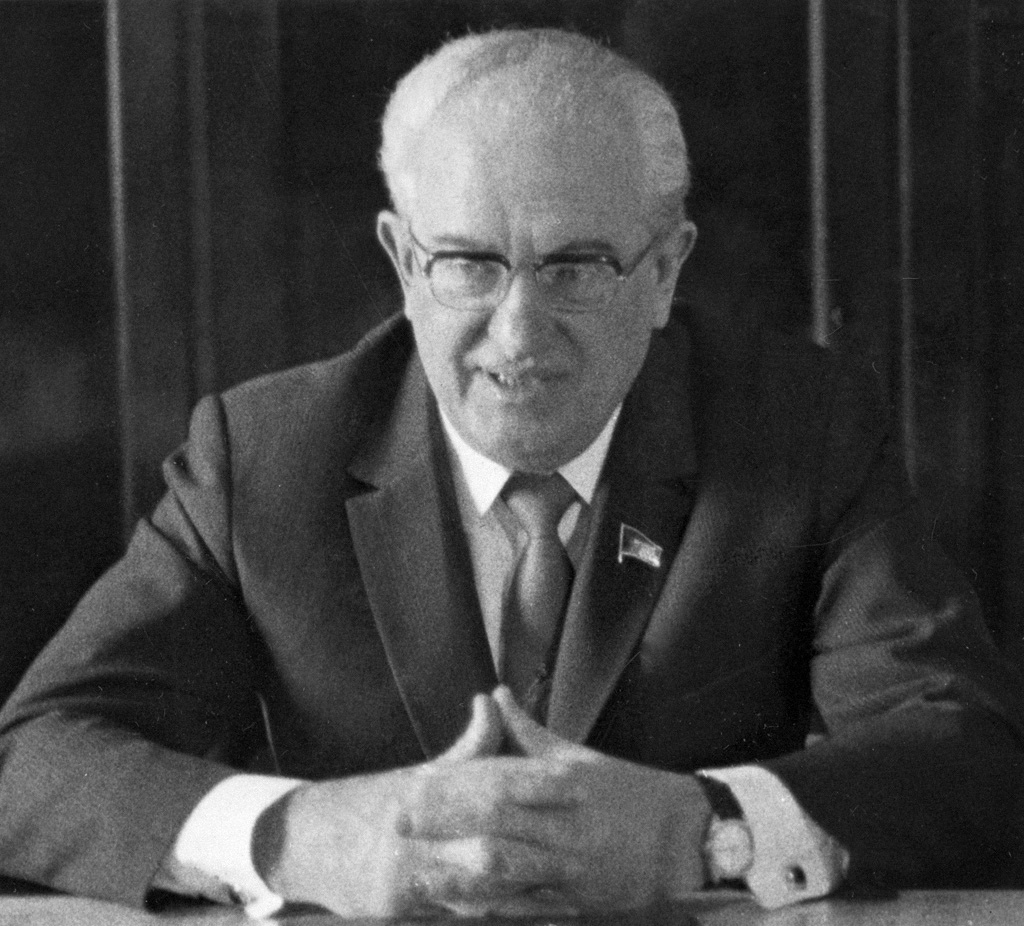


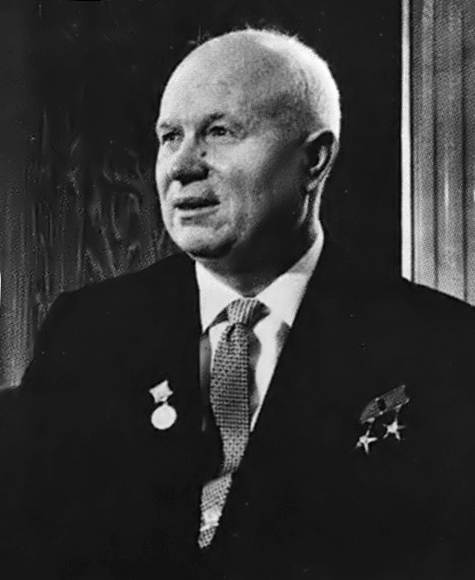


Role and powers
The office, commonly called the General Secretary, organized and controlled party apparatus, appointments, and policy direction. Over time the role eclipsed formal state offices and was often described as the real center of power rather than the formal head of government or the head of state. The government's executive functions, when separate, were vested in the Premier, but the General Secretary frequently dictated policy across party and state bodies.
Historical development
The post emerged in the early 1920s as party structures professionalized. Its importance grew markedly under Joseph Stalin, who consolidated authority and made the party office the nexus of political control; observers note that Stalin transformed the role into the Soviet Union's most powerful position (see context). Earlier leaders such as Vladimir Lenin exercised primary influence through other state and party titles — Lenin himself led the government as Premier rather than as General Secretary (Lenin's leadership).
Title change and abolition
After Stalin's death the party leadership briefly adjusted its terminology: the chief post was styled First Secretary from 1953 until 1966, a change associated with de-Stalinization and institutional reforms. The office reverted to the name General Secretary in 1966 and remained the central party post until the Communist Party's structures dissolved during 1990–1991 amid the Soviet Union's breakup.
Principal officeholders
- Joseph Stalin (held the post from the early 1920s until 1953) — consolidated the office into the dominant center of power.
- Nikita Khrushchev (1953–1964) — served as First Secretary during part of his tenure and initiated de-Stalinization.
- Leonid Brezhnev (1964–1982) — led a period of relative stability and bureaucratic consolidation after the title returned to General Secretary.
- Yuri Andropov (1982–1984) — a short tenure marked by attempts at discipline and anti-corruption measures.
- Konstantin Chernenko (1984–1985) — brief leadership during a period of institutional inertia.
- Mikhail Gorbachev (1985–1991) — introduced reforms (perestroika and glasnost) that ultimately coincided with the end of single-party rule and the Soviet state.
These names represent the principal holders in the post-Stalin era; earlier and concurrent party positions and titles shifted as the party and state evolved. For further administrative, biographical, and chronological detail consult specialized references and archival sources via the links provided above.
Questions and answers
Q: What was the top position in the Communist Party of the Soviet Union?
A: The top position in the Communist Party of the Soviet Union was the General Secretary.
Q: What was the role of the General Secretary?
A: The General Secretary served as both the head of government and head of state.
Q: Was the General Secretary the actual head of government?
A: No, the actual head of government was the Premier.
Q: Who led the nation as Premier?
A: Lenin led the nation as Premier.
Q: What was the office called from 1953-1966?
A: The office was called First Secretary from 1953-1966.
Q: Who turned the position of General Secretary into the most powerful in the Soviet Union?
A: Stalin turned the position of General Secretary into the most powerful in the Soviet Union.
Q: Was the Communist Party of the Soviet Union the only legal political party?
A: Yes, the Communist Party of the Soviet Union was the only legal political party.
Tags
Related articles
Author
AlegsaOnline.com List of General Secretaries of the Soviet Union Leandro Alegsa
URL: https://en.alegsaonline.com/art/124724