
List of governors of Florida
Overview and organization of the individuals who have served as governor of Florida, including powers of the office, historical periods, notable governors, and how lists are typically arranged.
The governor of Florida is the chief executive of the state and a central figure in state leadership. As head of the state government of the U.S. state commonly called Florida, the office combines executive, administrative and ceremonial duties. The governor also acts as commander-in-chief of the state's organized militia and has broad responsibility for carrying out state laws and policy.
Image gallery
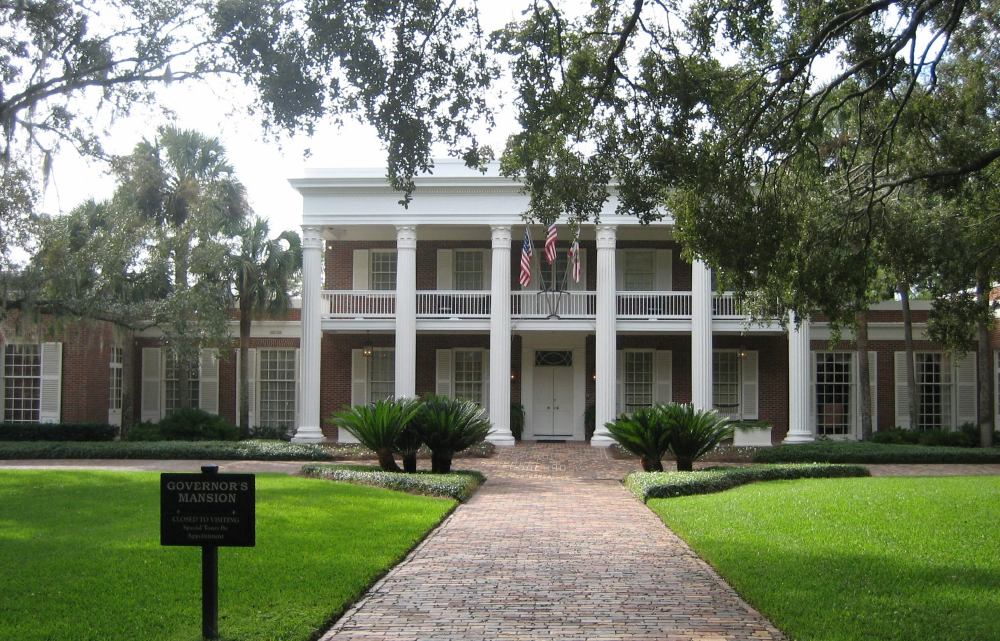
10 Images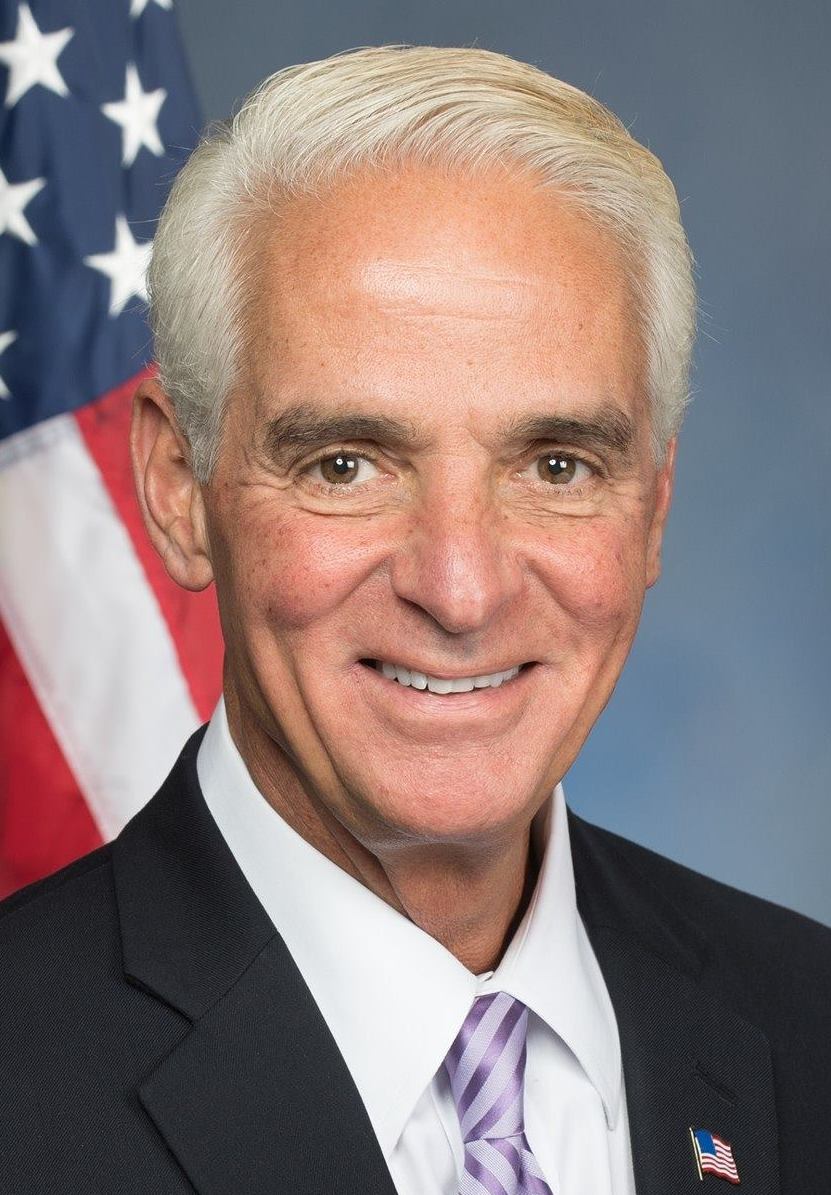




Powers and responsibilities
The governor enforces state laws, supervises state executive agencies, and plays a central role in budgeting and appointments. A governor may approve or veto legislation passed by the Florida Legislature, call the legislature into special session, and exercise clemency powers such as granting pardons and commutations in many cases (pardons). The clemency power does not interfere with the formal process of impeachment, which involves separate constitutional safeguards.
Historical development
Lists of Florida governors commonly separate several eras: territorial governance before formal statehood, the period after admission to the Union in the mid‑19th century, Reconstruction and post‑Reconstruction adjustments, and the modern constitutional era. Early governance included appointed territorial and military administrators; after statehood the office became an elected position and evolved with successive state constitutions and reforms.
How the list is organized
- Territorial administrators and provisional military governors (prior to full state governance).
- Elected state governors from the time Florida became a U.S. state onward, listed chronologically.
- Modern governors under the current constitution, often with party affiliation, term dates and principal actions noted.
Notable governors and trends
Some governors are widely remembered for specific reforms or national prominence. Examples often cited include 19th‑century military administrators who shaped early transition, later figures who advanced education, fiscal or ethics reforms, and recent governors with national profiles. Typical biographical list entries note party, term(s) of service and major policy initiatives; readers looking for individual biographies can consult official state sources or specialized biographies for more detail.
Succession, terms and usage
Under Florida's constitution governors serve fixed four‑year terms and there are limits on consecutive service; succession arrangements place the lieutenant governor next in line. Encyclopedic lists of governors are useful tools for researchers, students and the public because they present continuity, highlight political change over time, and link officeholders to legislative and administrative developments in the state.
For structured reference, most compiled lists include each governor's name, party affiliation, term start and end, and brief notes on significant actions or appointments, allowing readers to trace the office's evolution and the individuals who have occupied it.
Questions and answers
Q: Who is the head of state and government in the U.S. state of Florida?
A: The Governor of Florida is the head of the state and government in Florida.
Q: What is the main duty of the Governor of Florida?
A: The main duty of the Governor of Florida is to enforce state laws.
Q: What is the power of the Governor of Florida?
A: The Governor of Florida has the power to enforce state laws.
Q: Does the Governor of Florida have the authority to approve or veto bills passed by the Florida Legislative or Florida Senate?
A: Yes, the Governor of Florida has the duty to either approve or veto bills passed by the Florida Legislature or Florida Senate.
Q: Can the Governor of Florida assemble the legislature?
A: Yes, the Governor of Florida can assemble the legislature.
Q: Does the Governor of Florida have the power to grant pardons in cases of impeachment?
A: No, the Governor of Florida does not have the power to grant pardons in cases of impeachment.
Q: What is the role of the Governor of Florida in the state's military forces?
A: The Governor of Florida is the commander-in-chief of the state's military forces.
Related articles
Author
AlegsaOnline.com List of governors of Florida Leandro Alegsa
URL: https://en.alegsaonline.com/art/124732
Sources
- knowledgecenter.csg.org : "State Government Compensation by Branch"