
Heinrich Boere: SS member and convicted wartime killer
Heinrich Boere (1921–2013) was a German–Dutch member of the Waffen‑SS convicted late in life for murders in the occupied Netherlands during WWII. He began a life sentence in 2011 and died in custody in 2013.
Overview
Heinrich Boere (27 September 1921 – 1 December 2013) was a dual‑heritage German and Dutch individual who served in Nazi formations during the Second World War and was later convicted for wartime killings. Born in Eschweiler to a Dutch father and a German mother, he became associated with units that carried out reprisals and targeted executions in the occupied Netherlands. Decades after the conflict he was the subject of prolonged legal proceedings and eventually began serving a life sentence in 2011.
Image gallery
1 Image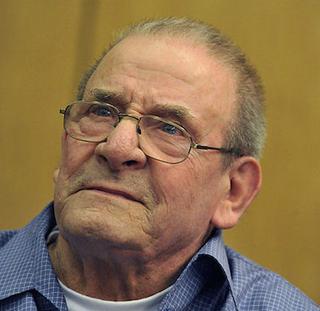
Early life and wartime service
Boere grew up in the industrial border region and reached adulthood as Europe moved toward war. He volunteered for or was recruited into organizations associated with German occupation forces; contemporaneous records identify his membership in the Waffen‑SS and related units. During 1943–1944, as the German occupation tightened control in the Netherlands, several small groups carried out arrests and executions of resistance members, collaborators, and other targeted individuals.
Crimes and postwar evasion
After the collapse of Nazi Germany Boere moved to Germany and avoided prosecution for many years. Survivors, witnesses and victims’ families continued to pursue justice, and Dutch authorities sought his extradition or trial. Legal and national‑status complications — including his nationality and differing postwar legal frameworks — delayed proceedings for decades. Public and judicial attention returned intermittently as historical research and renewed prosecutions of late‑reported war crimes gained momentum.
Prosecution, conviction and imprisonment
In the early 21st century Boere faced renewed legal action. He was ultimately convicted by a court for wartime murders committed in the Netherlands, including killings that took place in 1944. After lengthy appeals and medical assessments, he began serving a life sentence on 16 December 2011 at age 90. He died in custody on 1 December 2013 in Fröndenberg, of causes reported as natural, having spent his final years under prison supervision.
Significance and legacy
The Boere case illustrates several broader themes in postwar justice: the difficulty of prosecuting crimes many decades later, the interaction of citizenship and extradition rules, and the moral question of trying very elderly suspects. For victims’ families and historians it also highlighted the persistence of efforts to document wartime violence and hold perpetrators accountable long after the events.
Notable facts
- Nationality and origins: born in Eschweiler, with Dutch and German parentage (German/Dutch heritage).
- Affiliation: served in formations linked to the Waffen‑SS and occupation policing.
- Legal outcome: later convicted for wartime killings after decades of legal delays (war crime proceedings).
For further research on mid‑20th century prosecutions and the legal aftermath of occupation, consult archival material and specialized studies that trace how late prosecutions were brought in different jurisdictions and how memory and law interacted in postwar Europe.
Related articles
Author
AlegsaOnline.com Heinrich Boere: SS member and convicted wartime killer Leandro Alegsa
URL: https://en.alegsaonline.com/art/120451
Sources
- bbc.co.uk : "SS killer Heinrich Boere begins jail term at 90"
- spiegel.de : "Kriegsverbrecher tot SS mann Heinrich Boere in haft gestorben"