
Sir Robert Menzies (1894–1978) — Australian Prime Minister
Sir Robert Menzies (1894–1978) was Australia's longest-serving prime minister, founder of the Liberal Party, and a central figure in mid-20th century Australian politics and foreign policy.
Overview
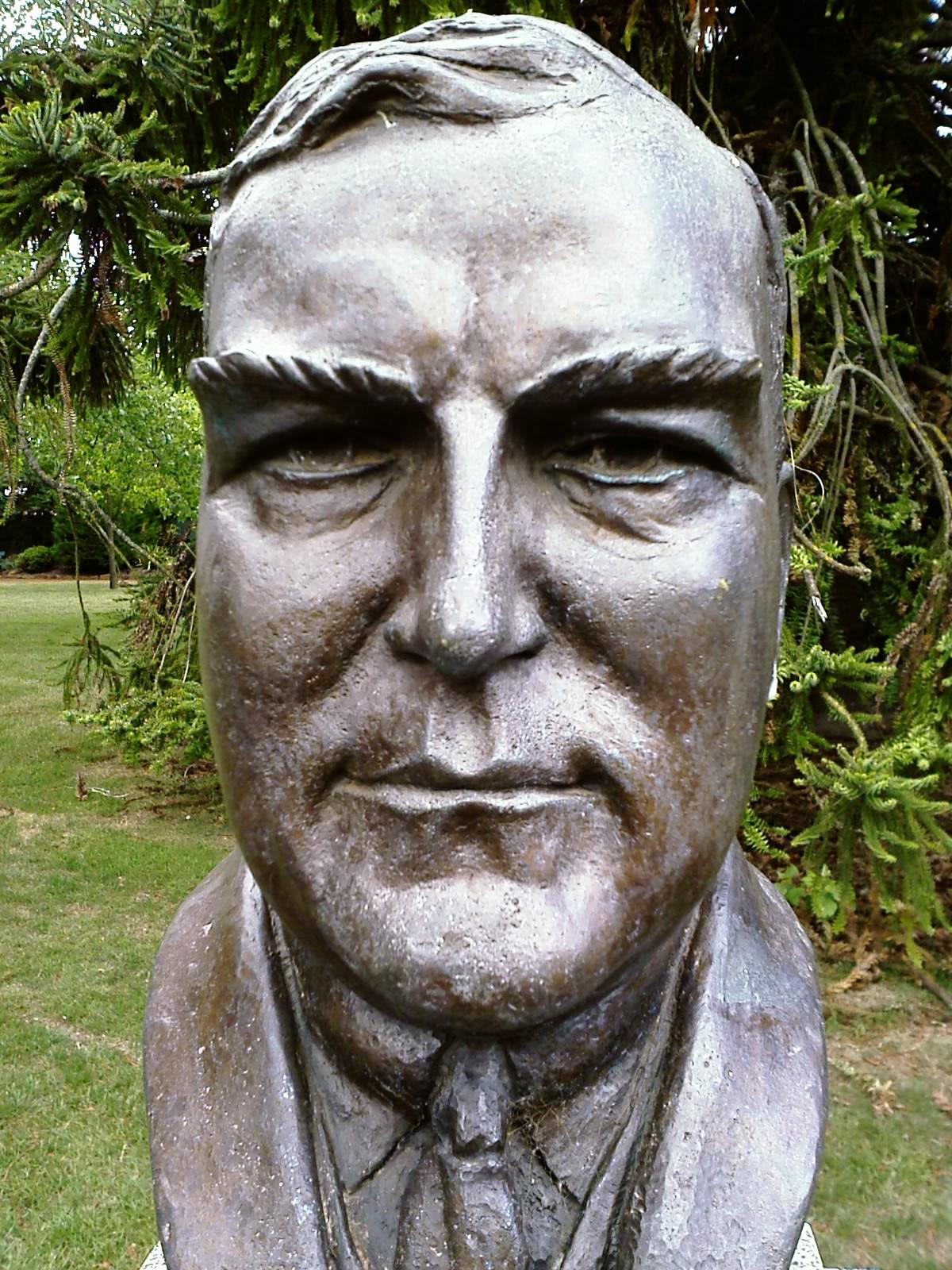
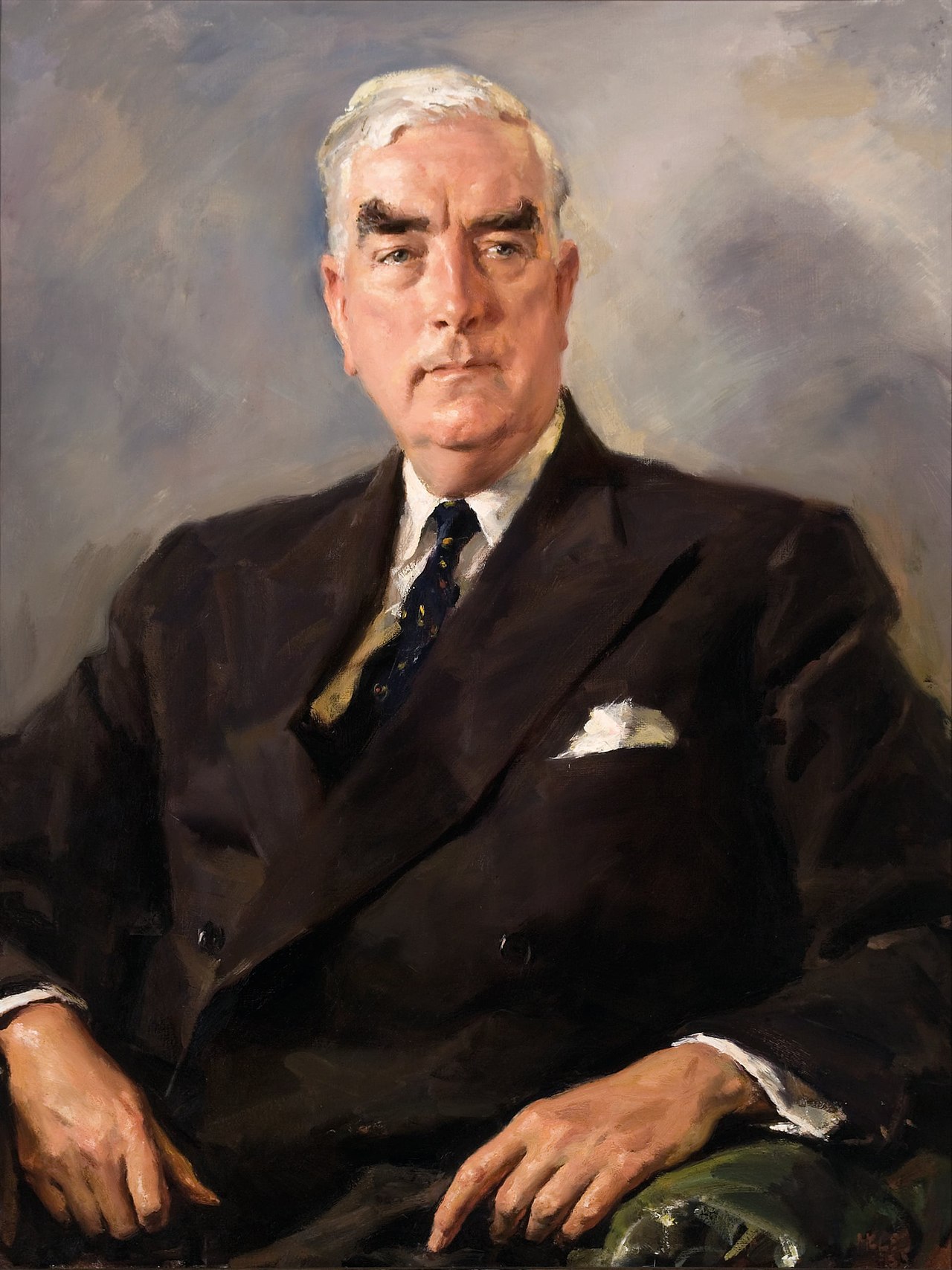
Sir Robert Gordon Menzies (20 December 1894 – 14 May 1978) was a leading figure in 20th-century Australian politics. He served as the country's 12th Prime Minister across two periods and became the longest-serving holder of that office. Menzies founded the modern Liberal Party and dominated Australian public life for more than two decades.
Image gallery
10 Images




Background and early career
Born in Victoria, Menzies studied law and entered federal politics in the interwar period. He rose through ministerial ranks and gained national prominence before first becoming prime minister in 1939. After a brief wartime term he returned to power in 1949 and led a long post‑war government until his retirement in 1966.
Characteristics and policies
Menzies is remembered for combining economic liberalism with social conservatism. His governments emphasized free enterprise, industrial development, and stable fiscal management while promoting immigration and infrastructure investment to support a growing population. He favored close security ties with Britain and the United States and took a firm anti‑communist stance during the early Cold War era.
Notable events and foreign policy
- Leadership during the early Cold War and support for collective security agreements.
- Engagement of Australian forces in regional conflicts of the 1950s and 1960s as part of alliance commitments.
- Domestic initiatives to expand education, industry and post‑war migration.
Legacy and assessments
Menzies left a contested but enduring legacy: credited with guiding Australia through a period of economic growth and international realignment, while criticized by some for conservative social policies and handling of civil liberties in a tense Cold War climate. His impact on party politics endures in the institutions and alignments that shaped modern Australia.
Today he is studied as a transformative prime minister whose long tenure shaped mid‑century Australian government, foreign relations and national identity.
Author
AlegsaOnline.com Sir Robert Menzies (1894–1978) — Australian Prime Minister Leandro Alegsa
URL: https://en.alegsaonline.com/art/129789