
Guy Carleton, 1st Baron Dorchester
British military officer and colonial governor who defended Quebec during the American Revolution and shaped early governance of British North America.
Overview
Guy Carleton (1724–1808), later created 1st Baron Dorchester, was an Irish‑born British army officer and colonial administrator best known for his leadership in North America during the mid‑ to late‑18th century. He combined military command with pragmatic civil policy during a formative era for what became modern Canada, and served two separate long terms as colonial governor.
Image gallery
8 Images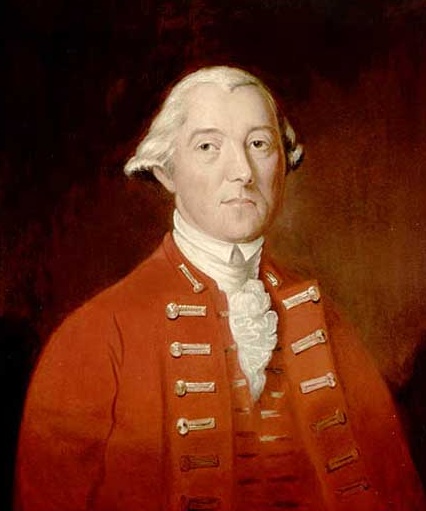


Military career and the campaigns around Quebec
Carleton rose through the army and saw action in the campaign for control of North America. As a junior officer he took part in the British operations against French forces at the Plains of Abraham, and later returned to command British regulars and provincial troops in defence of British holdings. In the winter of 1775–76, when the American revolutionary forces attempted to seize Quebec, Carleton organized the city's resistance, managed the relief and supply of the garrison, and ultimately helped force the American withdrawal from the province.
Role as governor
Carleton served two main periods as governor of the Province of Quebec and later as a senior administrator for British interests in North America. He is often described as a conciliator: he supported measures that accommodated French civil law and Roman Catholic practice to secure the loyalty of French Canadians and to maintain order. His policies and advice to London influenced parliamentary measures affecting the colony.
Evacuations, Loyalists and administration
After the American Revolution Carleton supervised the evacuation of British troops and thousands of Loyalist refugees, arranging their resettlement in the remaining British provinces. That movement shaped the demographic and political map of what became English‑speaking Canada. His decisions on military, legal and settlement questions left a durable administrative imprint.
Legacy and distinctions
- Recognized as a skilled commander and practical governor who balanced coercion with conciliation.
- Created Baron Dorchester in the peerage for his services and influence.
- Remembered for his role in defending British North America and guiding early colonial policy.
For further reference on his military career, see sources on British military history, his tenure as Governor, and the development of colonial Canada.
Related articles
Author
AlegsaOnline.com Guy Carleton, 1st Baron Dorchester Leandro Alegsa
URL: https://en.alegsaonline.com/art/120155