
Blacknose shark (Carcharhinus acronotus)
A small coastal requiem shark of the western Atlantic, recognized by a dark blotch on its snout. Lives over seagrass and sandy flats, feeds on small fish and invertebrates, and faces fishing pressures.
Overview
The Blacknose shark (Carcharhinus acronotus) is a small, warm‑water species of species in the group commonly known as requiem sharks. It belongs to the genus Carcharhinus and is native to coastal waters off the eastern coast of the Americas. Because of its modest maximum size and distinctive coloration, it is one of the more recognizable coastal sharks of its range.
Image gallery
8 Images


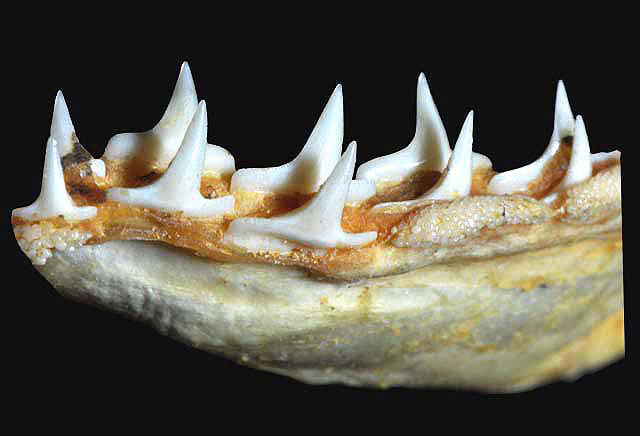
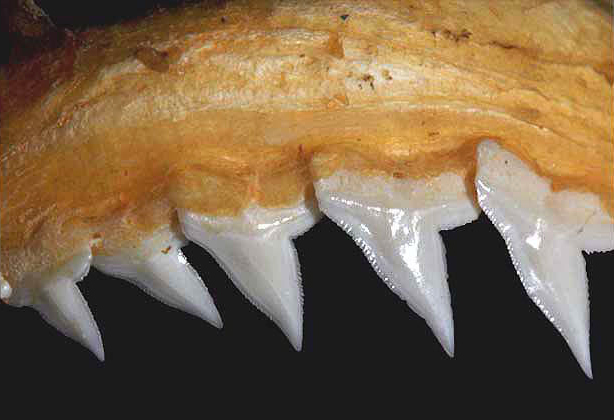


Habitat and distribution
Blacknose sharks prefer shallow, nearshore environments where they hunt and shelter. Typical habitats include seagrass meadows and shallow bottoms composed of sandy flats or areas with broken shell or coral rubble. They are usually found in temperate to tropical waters and commonly occupy coastal shelves, estuaries and lagoons where prey is abundant.
Appearance and identification
Adults are relatively small compared with many other members of the shark family, typically reaching just over a metre in length. The common name comes from a dark mark or blotch at the tip of the snout. Overall coloration is gray to brown on the back with a lighter underside, and the body is streamlined with a pointed snout and proportionally large eyes for locating prey in shallow water.
Biology and ecology
Blacknose sharks are active predators that feed mainly on small bony fishes, cephalopods and crustaceans. They are viviparous, meaning females give birth to live young after an internal gestation period. Litters tend to be small compared with larger sharks, and juveniles spend their early life in shallow coastal habitats that function as nursery areas.
Human interactions and conservation
These sharks are taken by both commercial and recreational fisheries, often as targeted catch or bycatch. Their coastal habits make them vulnerable to habitat degradation and fishing pressure. Management measures in some regions include catch limits, size restrictions and monitoring programs to reduce overexploitation and protect nursery areas.
Key facts
- Taxonomy: Carcharhinus group of requiem sharks (Carcharhinidae).
- Habitat: shallow coastal waters over sand, shell beds, coral rubble and seagrass.
- Size: small species, typically around 1–1.4 m at maturity.
- Reproduction: live-bearing with small litters and coastal nurseries.
- Conservation concerns: affected by fisheries and habitat loss; subject to regional management.
For more detailed range maps, biology, and management recommendations consult specialized resources and regional fisheries reports: species profiles, distribution summaries, and conservation assessments maintained by research institutions and fisheries agencies.
Questions and answers
Q: What type of shark is the Blacknose shark?
A: The Blacknose shark is a species of requiem shark.
Q: Where is the Blacknose shark found?
A: The Blacknose shark is found along the eastern coast of the Americas.
Q: What is the habitat of the Blacknose shark?
A: The Blacknose shark is mainly found in coastal waters over beds of seagrass, sandy flats, and shell or coral rubble.
Q: How big can adult Blacknose sharks get?
A: Adult Blacknose sharks can reach a maximum length of 4.6 feet (1.4 metres).
Q: What distinguishes the Blacknose shark from other species of shark?
A: The Blacknose shark gets its name from the black spot on the tip of its snout.
Q: What is the genus of the Blacknose shark?
A: The Blacknose shark belongs to the genus Carcharhinus.
Q: Is the Blacknose shark a large or small species of shark?
A: The Blacknose shark is quite a small species of shark.
Author
AlegsaOnline.com Blacknose shark (Carcharhinus acronotus) Leandro Alegsa
URL: https://en.alegsaonline.com/art/12015
Sources
- iucnredlist.org : "Carcharhinus acronotus"
- doi.org : 10.2305/IUCN.UK.2009-2.RLTS.T161378A5410167.en
- flmnh.ufl.edu : "FLMNH Ichthyology Department:Blacknose shark"
- seapics.com : "Blacknose Shark Pictures-Facts Carcharhinus acronotus"