
Carlo Azeglio Ciampi: Italian statesman, central banker, and president
Italian statesman Carlo Azeglio Ciampi (1920–2016) served as Italy’s central banker, briefly as prime minister, and as President of the Republic (1999–2006). Widely respected for integrity and civic leadership.
Carlo Azeglio Ciampi (9 December 1920 – 16 September 2016) was an Italian public figure who combined a long career in finance with senior political office. Born in Livorno, he became known for his work at the Bank of Italy and for serving as President of the Italian Republic from 1999 to 2006. Ciampi was widely regarded by Italians for his impartiality, personal rectitude and commitment to national unity.
Image gallery
2 Images
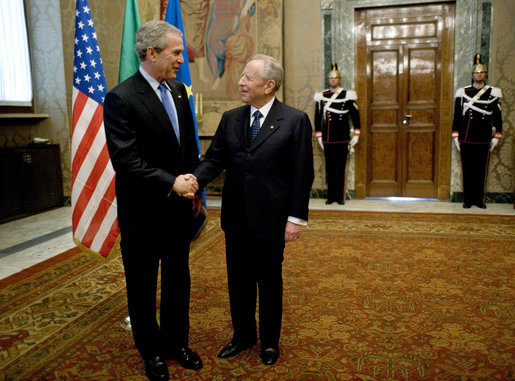
Career and principal offices
Ciampi built his reputation in public finance and central banking before entering frontline politics. He led the Bank of Italy as its president (governor) from 1979 until 1993, a period during which the institution played a central role in Italian monetary and financial policy. In 1993 he accepted the role of head of a technical government amid political upheaval and served as prime minister for a transitional term.
- President (Governor) of the Bank of Italy, 1979–1993
- Prime Minister (head of a technical government), 1993–1994
- President of the Italian Republic, 1999–2006
Presidency and public role
As President of the Republic Ciampi occupied the constitutional office that represents national unity and safeguards democratic institutions. He used the moral authority of the presidency to promote civic values, institutional respect and European cooperation. His presidential term overlapped with major developments in European integration and the adoption of the euro as the common currency, events that framed Italy’s economic and political choices at the turn of the century.
Reputation, style and legacy
Ciampi was widely praised for a plainspoken, unassuming style and for being above party politics. Observers credited him with reinforcing public confidence in institutions during periods of change. His background as a central banker shaped his approach to fiscal responsibility and institutional reform, while his ceremonial and educational initiatives sought to foster civic awareness.
Later life and death
After leaving the presidency he remained a respected elder statesman. He was succeeded in the presidency by Giorgio Napolitano. Ciampi died in Rome on 16 September 2016 at age 95. He passed away in a hospital in Rome from multiple organ failure caused by pneumonia. He is remembered as one of Italy’s most trusted postwar public figures.
For additional context on places associated with his life, see entries for Italy and the city of Livorno. More detailed treatments of his economic and political roles are available in specialist biographies and institutional histories.
Related articles
Author
AlegsaOnline.com Carlo Azeglio Ciampi: Italian statesman, central banker, and president Leandro Alegsa
URL: https://en.alegsaonline.com/art/115957
Sources
- channelnewsasia.com : Former Italian president, prime minister Ciampi dies