
Gil Kerlikowske: U.S. drug policy and border protection official
Profile of Gil Kerlikowske (born 1949), U.S. law enforcement official who led the Office of National Drug Control Policy (2009–2014) and served as Commissioner of U.S. Customs and Border Protection (2014–2017).
Richard Gil Kerlikowske (born November 23, 1949) is an American career law enforcement professional and former federal official. He is best known for serving as Director of the Office of National Drug Control Policy from 2009 to 2014 and later as Commissioner of U.S. Customs and Border Protection from March 6, 2014 until his retirement on January 20, 2017. Over several decades he worked in municipal and federal public safety positions and gained a reputation as a pragmatic administrator.
Image gallery
3 Images

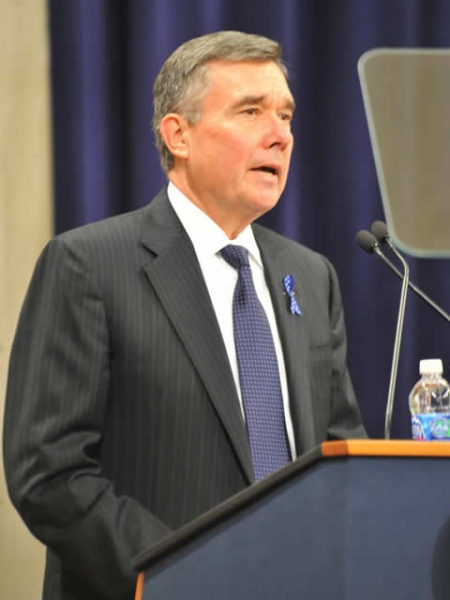
Career highlights
Kerlikowske’s public career combined local policing experience with national policy roles. As head of the Office of National Drug Control Policy (ONDCP) he coordinated federal efforts on drug prevention, treatment and law enforcement. As Commissioner of U.S. Customs and Border Protection he oversaw a large agency responsible for borders, ports of entry and customs enforcement. His tenure in both positions placed him at the center of debates about drug policy, public health, and border security.
- Director, ONDCP (2009–2014): led interagency drug policy coordination and advised the President on drug control strategy; emphasized prevention and treatment alongside enforcement.
- Commissioner, U.S. Customs and Border Protection (2014–2017): managed border operations, trade facilitation and immigration enforcement responsibilities.
- Earlier law enforcement roles: decades of municipal policing and supervisory experience prior to federal appointments.
Positions and public remarks
Kerlikowske publicly opposed the legalization of cannabis, advocating approaches focused on prevention and treatment rather than deregulation. In a December 9, 2010 interview he described Nancy Reagan’s Nancy Reagan era "Just Say No" campaign as one of the "major successes" associated with the War on Drugs, remarks reported by The Nation. Those comments drew attention from both supporters of traditional drug-control strategies and advocates of reform.
Observers note that Kerlikowske’s approach while at ONDCP often sought to balance enforcement with expanded treatment and prevention programs; however, critics argued that his resistance to legalization and some harm-reduction measures left tensions between public-health and punitive approaches unresolved. His positions reflect a broader national debate over how best to reduce drug-related harm while protecting communities.
Kerlikowske retired from government service in January 2017. His career illustrates the challenges faced by officials who must bridge local policing experience and national policy-making on contentious issues such as drugs and border security. For further reading, see agency materials and contemporary reporting on his terms at the ONDCP and CBP.
Related articles
Author
AlegsaOnline.com Gil Kerlikowske: U.S. drug policy and border protection official Leandro Alegsa
URL: https://en.alegsaonline.com/art/119811
Sources
- cnn.com : "Ex-border chief: 'Don't believe anyone was talked to about a travel ban'"
- hsph.harvard.edu : "R. Gil Kerlikowske, Former Commissioner of U.S. Customs and Border Protection"
- iop.harvard.edu : "Gil Kerlikowske"
- reuters.com : California marijuana legalization goes up in smoke
- thenation.com : Questions for the Drug Czar
- reason.com : ONDCP Director Gil Kerlikowske's Model for Enlightened Drug Policy: Nancy Reagan