
Gil Scott-Heron: Poet, Musician, and Social Commentator
American poet, musician and author whose spoken-word recordings and songs like "The Revolution Will Not Be Televised" bridged protest poetry, soul and early hip hop.
Overview
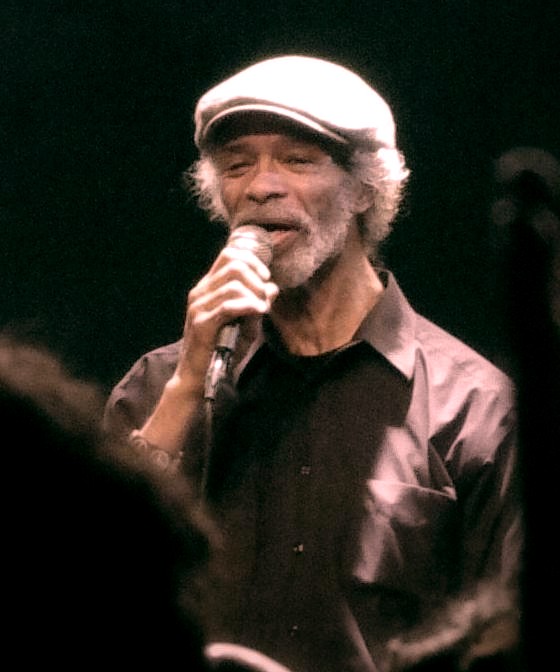
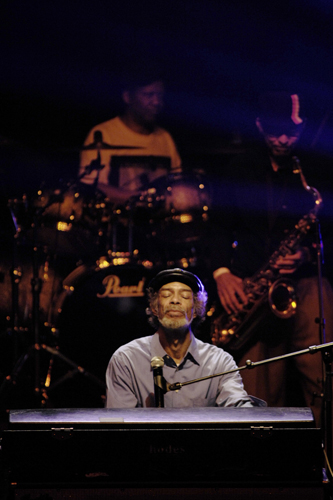
Gil Scott-Heron (April 1, 1949 – May 27, 2011) was an American poet, musician, and author best known for blending poetic spoken word with soul, jazz and political commentary. Emerging in the late 1960s and 1970s, he produced work that addressed race, media, politics and everyday life. His performances and recordings helped create a template later taken up by spoken-word performers and hip hop artists.
Image gallery
5 Images


Style and themes
Scott-Heron's work combined rhythmic recitation, melodic accompaniment and direct social critique. Often delivered over sparse musical settings, his pieces mixed satire, reportage and personal reflection. This approach—sometimes called spoken-word soul or proto-rap—placed emphasis on message and cadence as much as on traditional songcraft. Recurring themes included urban life, systemic inequality, mass media and the promises and failures of American institutions.
Career and collaborations
He recorded both solo and with longtime collaborator Brian Jackson; their partnership produced albums that merged jazz, soul and political songwriting. Scott-Heron toured and recorded throughout the 1970s and later periods, continuing to influence successive generations of musicians and poets. After a quieter period in the 1990s and 2000s, he released the acclaimed 2010 album I'm New Here, which brought renewed attention to his work.
Notable works and influence
- "The Revolution Will Not Be Televised" — a spoken-word piece turned often-cited recording that became emblematic of black protest and media critique.
- Key albums that combined poetry and song, and that have been cited as formative by hip hop and spoken-word artists.
- His live performances and recordings are frequently referenced as early examples of rhythmic speech over contemporary music, influencing rap's emphasis on cadence and message.
Personal life and legacy
Scott-Heron's life included periods of creative acclaim, personal struggle and legal difficulties; his candid portrayal of social issues remained central to his public persona. He was publicly reported as HIV-positive late in life. He died in 2011. Today he is remembered as a pioneering voice who blurred the lines between poetry, journalism and song and whose work continues to be studied and sampled by artists across genres.
For further reading on his recordings, collaborations and cultural impact, see dedicated music and literary resources and archives that document late 20th-century American protest literature and music.
Related articles
Author
AlegsaOnline.com Gil Scott-Heron: Poet, Musician, and Social Commentator Leandro Alegsa
URL: https://en.alegsaonline.com/art/119813
Sources
- nytimes.com : "Gil Scott-Heron, Voice of Black Protest Culture, Dies at 62"
- gilscottheron.net : "Gil Scott-Heron"