
Giacomo Meyerbeer: life, works, and legacy
German-born composer Giacomo Meyerbeer (1791–1864) dominated Parisian grand opera in the 1830s–1840s with spectacles like Robert le diable and Les Huguenots; his reputation later declined but has been reassessed.
Giacomo Meyerbeer (born Jacob Liebmann Beer, 5 September 1791 – 2 May 1864) was a German-born composer who became the dominant figure of mid-19th-century French Grand opera. Born near Berlin, he adopted the Italianate name Giacomo while studying and performing in Italy before establishing a thriving career centered on the great Parisian stages. He died in Paris.
Image gallery
10 Images


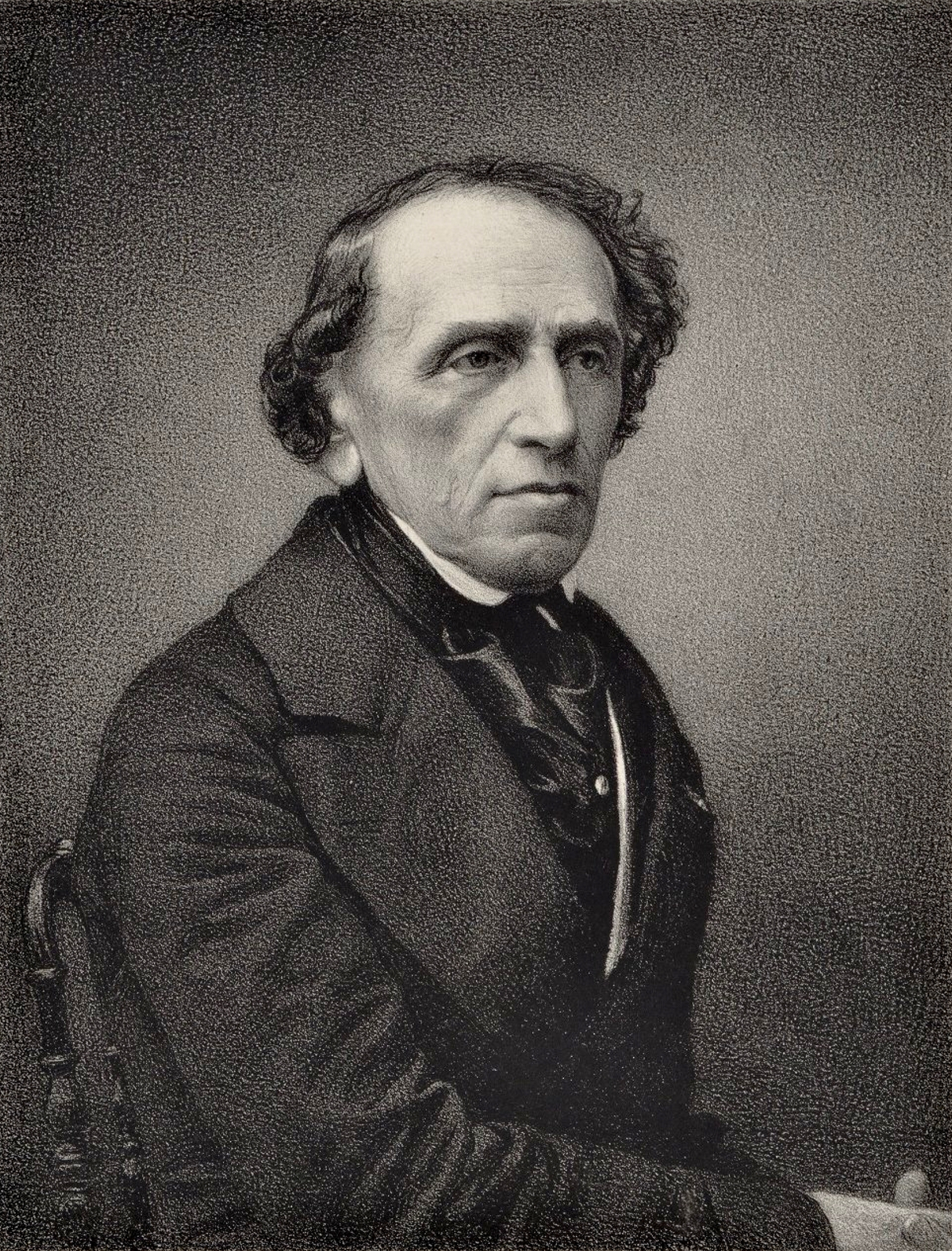

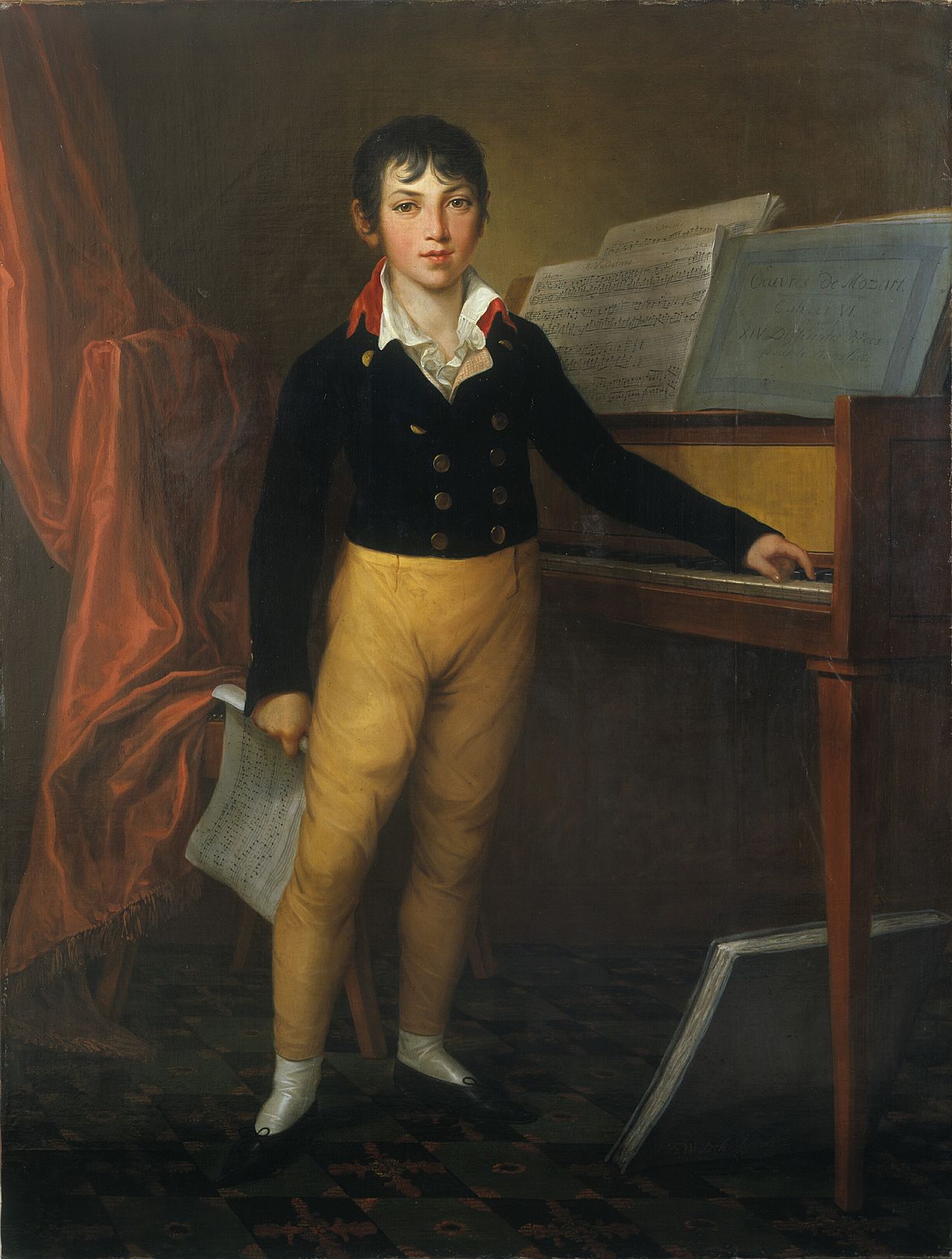

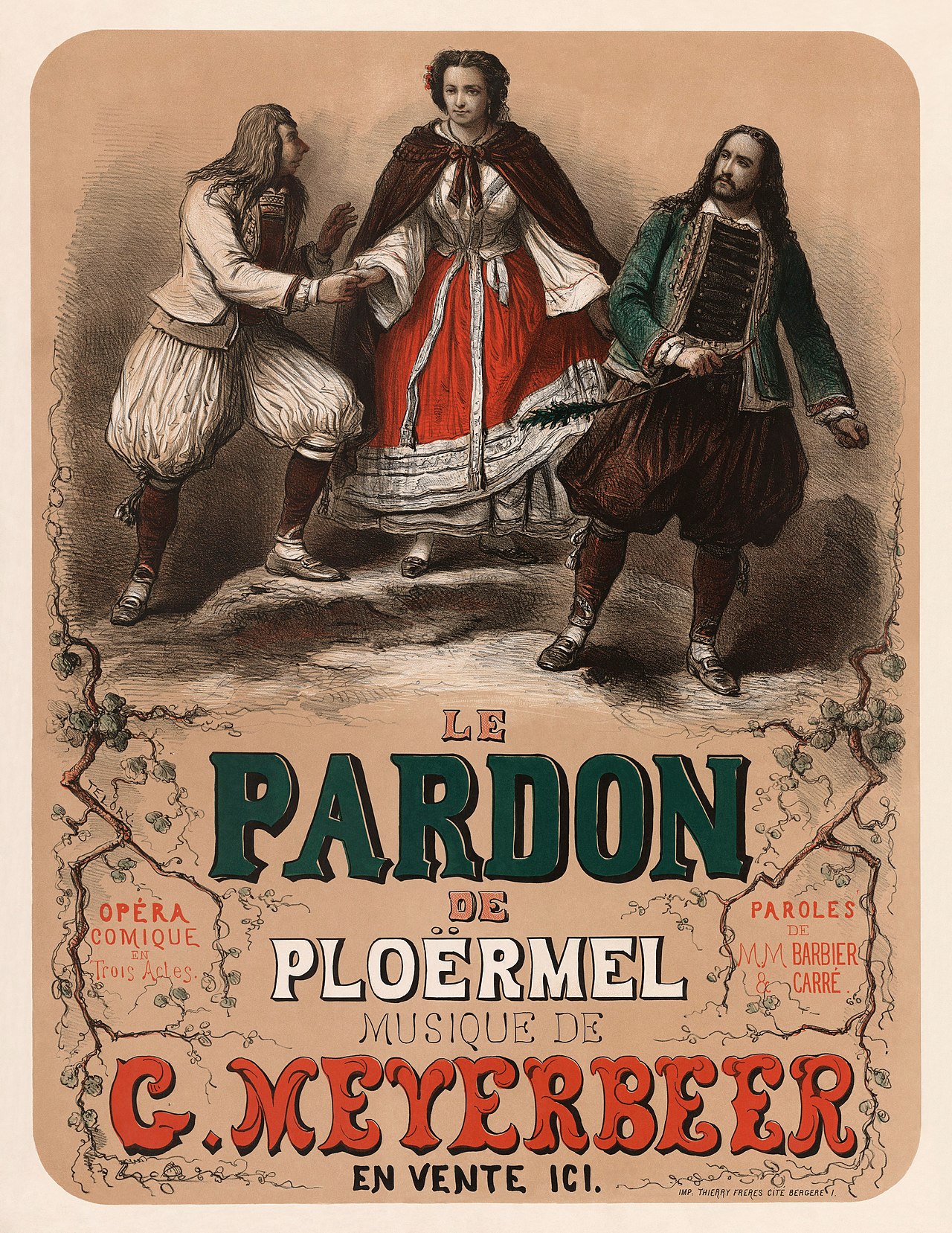


Early life and education
Meyerbeer grew up in a prosperous Jewish family near Berlin and received thorough musical training in piano and composition. His early studies and travels in Italy exposed him to Italian opera conventions; in Germany he encountered the symphonic and theatrical traditions that later informed his large-scale works. These formative experiences helped him blend German craftsmanship with Italianate melodic skill and French theatrical demands.
Paris and Grand opera
After early successes in German-speaking lands, Meyerbeer focused on the French stage and became associated with the institutional form called Grand opera. Working closely with librettists, singers and stage designers, he produced lavish five-act works defined by historical subjects, extensive choruses, ballets and elaborate scene changes. His breakthrough in Paris came with Robert le diable (1831), which led to international fame and to later masterpieces such as Les Huguenots (1836).
Musical style and innovations
Meyerbeer combined strong dramatic pacing with careful attention to orchestral colour, choral writing and ensemble construction. He often subordinated strict symphonic development to needs of stage drama, using the orchestra and chorus to heighten spectacle, support soloists and create large-scale theatrical effects. He also served as impresario and advisor on productions, shaping staging, choreography and scenic design in ways that influenced how opera was mounted in major houses.
Selected works
- Robert le diable (1831) — Paris breakthrough that established his reputation.
- Les Huguenots (1836) — epic religious and historical drama noted for its choruses.
- Le prophète (1849) — dramatic, large-scale work with memorable orchestral moments.
- Other operas and occasional instrumental pieces reflect his adaptability across European theatres.
Reception and legacy
During his lifetime Meyerbeer was widely celebrated and influential; his works defined an era of operatic spectacle. After his death tastes changed and his operas fell out of frequent performance for multiple reasons, including new aesthetic trends and hostile criticism that at times reflected anti-Jewish prejudice. Musicologists have, however, reassessed his contribution to stagecraft and to the technique of integrating music with theatrical production.
Modern interest and resources
From the late 20th century onward there have been scholarly editions, stage revivals and recordings that aim to present Meyerbeer’s works in historically informed contexts. These efforts highlight his role in shaping mid-19th-century opera and offer opportunities to experience works that were once central to European musical life. For introductory overviews and more detailed studies, see general treatments of opera and histories of Grand opera, or dedicated biographies and critical editions available through specialist publishers and libraries.
Birthplace and early years — Paris period — German background — Further reading on opera — On Meyerbeer as composer — French musical context — Grand opera studies
Questions and answers
Q: Who was Giacomo Meyerbeer?
A: Giacomo Meyerbeer was a famous German-born opera composer.
Q: When was Giacomo Meyerbeer born?
A: Giacomo Meyerbeer was born on September 5, 1791.
Q: When did Giacomo Meyerbeer die?
A: Giacomo Meyerbeer died on May 2, 1864.
Q: What was Giacomo Meyerbeer's contribution to opera?
A: Giacomo Meyerbeer was the most important composer of French Grand opera during the 1830s and 1840s.
Q: Was Giacomo Meyerbeer popular in his time?
A: Yes, Giacomo Meyerbeer was tremendously popular in his day.
Q: Is Giacomo Meyerbeer's music still played today?
A: No, his music is not often played now.
Q: Where did Giacomo Meyerbeer die?
A: Giacomo Meyerbeer died in Paris.
Related articles
Author
AlegsaOnline.com Giacomo Meyerbeer: life, works, and legacy Leandro Alegsa
URL: https://en.alegsaonline.com/art/119764