
Getatchew Mekurya
Ethiopian tenor saxophonist whose energetic, folk-inflected style brought Ethiopian jazz to a global audience; known for the album Negus of Ethiopian Sax and international collaborations.
Getatchew Mekurya (Amharic: ጌታቸው መኩሪያ, 14 March 1935 – 4 April 2016) was an influential Ethiopian jazz saxophonist celebrated for blending traditional Ethiopian melodies with the energy and freedom of modern improvised music. He became known to international listeners when earlier recordings were reissued in the widely distributed Ethiopiques series, and by the end of his career he had performed and recorded with musicians from several countries.
Image gallery
2 Images
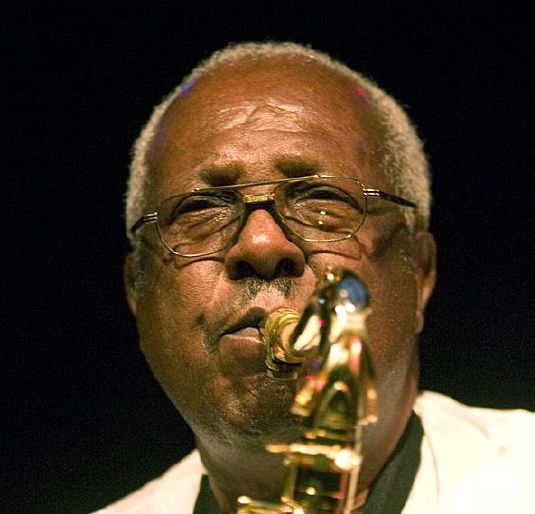
Musical style and technique
Mekurya's playing is often described as raw, forceful and deeply rooted in Ethiopian vocal and instrumental traditions. Rather than adopting standard Western bebop phrasing, he drew on modal scales and folk-song contours common to Ethiopian music, producing long, insistent lines that critics and listeners sometimes compared to aspects of free jazz. His tone on the tenor saxophone emphasized breath and presence, and he frequently transformed local song forms into extended, improvisatory statements.
Career highlights and collaborations
Active on Addis Ababa's music scene for decades, Mekurya recorded and performed during a vibrant period of urban Ethiopian popular music in the mid-20th century. Rediscovery by international audiences followed the reissue of his material on compilation labels, which in turn led to concert tours and collaborative projects with groups outside Ethiopia. These collaborations introduced his sound to punk, experimental and world-music audiences, expanding the reach of Ethiopian instrumental traditions.
Recordings and recognition
Among Mekurya's most widely heard releases is the record commonly known in English as Negus of Ethiopian Sax, a title that gathered new listeners when it was reissued as part of the Ethiopiques series. In addition to archival reissues, he took part in new albums and live projects that paired his tenor saxophone with a variety of ensembles. Reviewers have highlighted the distinctive blend of ancestral melody and improvisational intensity that runs through these recordings.
Legacy and final years
Mekurya is remembered for helping bring an unmistakable tenor-sax voice into both Ethiopian popular music and the wider world-music conversation. His approach influenced younger Ethiopian players and drew attention to the ways local modes and phrasing can intersect with improvisational practices. He died in Addis Ababa in April 2016 after complications related to diabetes. Tributes from musicians and listeners emphasized his role as a bridge between traditional sounds and contemporary improvisation.
- Notable record: Negus of Ethiopian Sax (reissued on the Ethiopiques series)
- International collaborations expanded his audience and linked Ethiopian jazz with experimental scenes
- Style noted for its combination of folk-derived melody and free-jazz intensity
For further reading on Mekurya's recordings and the wider context of Ethiopian jazz and popular music, see archival compilations and contemporary accounts that document the mid-20th-century Addis Ababa scene and its international rediscovery. Additional resources and interviews offer insights into his technique and the cultural sources that shaped his sound. Ethiopian music and the Ethiopiques reissues remain accessible starting points for new listeners.
Related articles
Author
AlegsaOnline.com Getatchew Mekurya Leandro Alegsa
URL: https://en.alegsaonline.com/art/119749
Sources
- theex.nl : "The Ex"
- theex.nl : the official The Ex website
- bimhuis.com : the Bimhuis website
- allmusic.com : "Ethiopiques, Vol. 14: Negus of Ethiopian Sax (Review)"
- nytimes.com : "Getatchew Mekurya, Ethiopian Jazz Saxophonist, Dies at 81"