
Ghiyas-ud-din Balban — Sultan of the Delhi Sultanate (reign c.1266–1286)
13th-century Mamluk sultan of Delhi (r. c.1266–1286) who strengthened royal authority, reformed military and administration, built an intelligence service and court ritual, and defended the Sultanate against threats.
Ghiyas-ud-din Balban (often rendered Balban) was a prominent 13th-century ruler of the Mamluk (Slave) dynasty who became sultan of the Delhi Sultanate and governed from Delhi for about two decades in the later 13th century. Rising from the soldiery and administrative cadres that supplied the dynasty’s ruling elite, he is remembered for concentrating royal authority, reforming the military and fiscal apparatus, and enforcing strict court discipline. His reign is usually dated to c.1266–1286 and he remains an important figure in studies of early Sultanate state formation.
Image gallery
4 Images
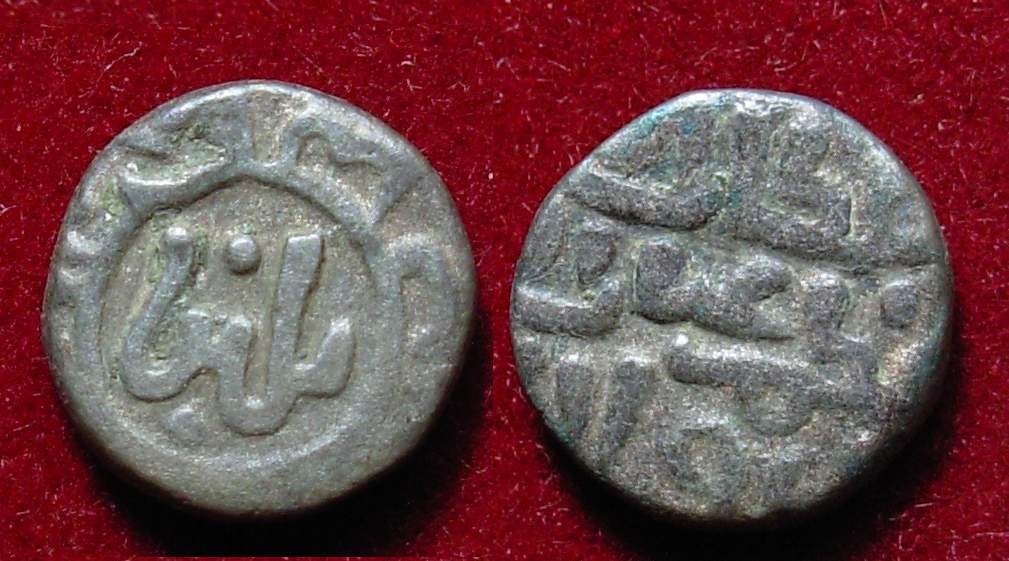
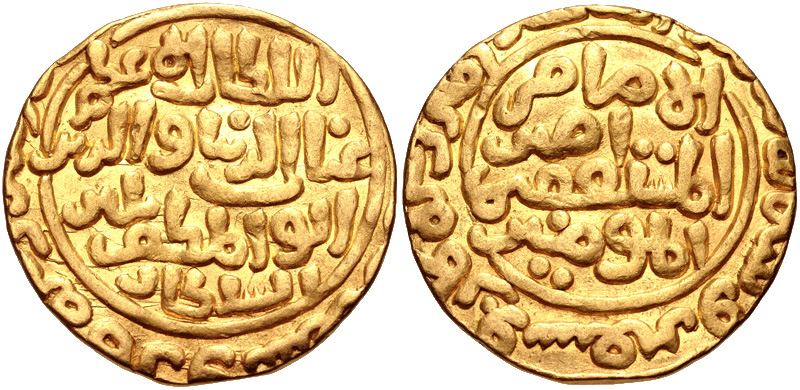

Background and rise
Balban’s early life exemplifies the mamluk pattern: slaves and their descendants recruited into military service acquired training, patronage and offices that could lead to very high status. Known in some sources by names and titles that emphasise piety and royal dignity, he served in prominent administrative and military posts before taking direct control of government and finally assuming the sultanate. His career illustrates how personal loyalty, martial ability and bureaucratic skill could be converted into sovereign power within the Mamluk polity.
Administration and institutions
One of Balban’s persistent aims was to strengthen central administration and reduce the capacity of powerful nobles and provincial chiefs to act independently. To that end, he is credited with reorganising the army’s pay and command system, regularising certain bureaux and reinforcing state revenue collection practices. Contemporary and later accounts attribute to him the formation or reinforcement of specialised offices that improved military provisioning and recruitment. He also promoted elaborate court ceremonial to underline the sacral and personal authority of the monarch.
- Barid (intelligence and communication): Balban is associated with a systematic intelligence network that relayed information about provincial governors, military movements and plots, enabling the centre to react more quickly to unrest.
- Dewan‑e‑Arz (military administration): his reign saw attention to the organisation of the armed forces and the payment of troops, often noted as a move toward a more regular military administration.
- Court ritual and penalties: to emphasise royal dignity he enforced protocols of obeisance and applied harsh punishments to curb insubordination; some sources mention practices reported as "paibas" (ritual acts of submission) and penalties described in Persian terms.
Military policy and external affairs
Balban ruled in a period when the northwestern frontier of the Sultanate faced raids, shifting alliances and the growing shadow of Mongol power in Central Asia. His policy combined defensive measures on frontier posts, selective rewards for loyal commanders and severe sanctions for failure or collusion. He sought to deter rebellions and to keep provincial magnates in check so that the central army could be deployed when necessary. While the historical record does not preserve a continuous catalogue of campaigns, his reign is generally seen as one in which the state attempted to maintain territorial integrity in the face of diverse pressures.
Cultural environment and patronage
The Delhi court under Balban remained a focus for Persianate culture, learning and poetry. Literary figures and scholars circulated at and around the court, and the period forms part of the broader cultural context that produced later celebrated poets. For example, the prolific poet Amir Khusrau is traditionally associated with the late 13th century and became a leading literary figure under subsequent rulers; the literary efflorescence of the Sultanate drew on networks centred in Delhi and across the region.
Succession and legacy
Balban’s rule strengthened the sultan’s office but his centralising methods were closely tied to his personal authority. After his death the Mamluk polity experienced renewed factional struggles, and the dynasty’s dominance was challenged in the decades that followed. Historians view Balban as a decisive and often severe monarch whose measures stabilised the state for a time and whose emphasis on bureaucracy, intelligence and court ritual influenced later rulers of the Delhi Sultanate.
For readers seeking contextual entries, consult shorter encyclopedia entries on the office of the sultan, on medieval India, and on prominent later rulers such as Ala‑ud‑din Khalji, whose reigns engaged with many of the institutional patterns Balban helped to shape.
Questions and answers
Q: Who was Ghiyas-ud-din Balban?
A: Ghiyas-ud-din Balban was a famous and one of the most powerful sultans of the Delhi Sultanate of India.
Q: What were some of the titles of Ghiyas-ud-din Balban?
A: Some of the titles of Ghiyas-ud-din Balban were Nabāb-e-Khudā (Acolyte of God), Jhil-e-Ellāhi (Shadow of God), Khudā-e-Vandgār (Devotee of God).
Q: When did Ghiyas-ud-din Balban rule Delhi?
A: Ghiyas-ud-din Balban ruled Delhi from 1266AD to 1286AD.
Q: What was the name of the spying agency appointed by Ghiyas-ud-din Balban during his reign?
A: The spying agency appointed by Ghiyas-ud-din Balban during his reign was called "Barid".
Q: Who was Amir Khusrau and what was his connection to Ghiyas-ud-din Balban?
A: Amir Khusrau was a poet who came to India during the reign of Sultan Ghiyas-ud-din Balban. Later, Amir Khusrau became a famous court poet of Ala-ud-din Khalji.
Q: What were some of the laws enforced by Ghiyas-ud-din Balban?
A: Some of the laws enforced by Ghiyas-ud-din Balban were "Sizada" (penalization) and "Paibas" (kissing the throne).
Q: What was the name of the first military department of the Delhi Sultanate created by Sultan Ghiyas-ud-din Balban?
A: The first military department of the Delhi Sultanate created by Sultan Ghiyas-ud-din Balban was called "Dewan-e-Arz".
Related articles
Author
AlegsaOnline.com Ghiyas-ud-din Balban — Sultan of the Delhi Sultanate (reign c.1266–1286) Leandro Alegsa
URL: https://en.alegsaonline.com/art/119756