
George Washington Carver: agricultural scientist, teacher, and advocate for crop rotation
George Washington Carver (c. early 1860s–1943) was an American agricultural scientist and educator who promoted crop rotation, alternative crops, and practical farming advice for poor farmers.
Overview: George Washington Carver was an American agricultural scientist, teacher and public educator whose work in the late 19th and early 20th centuries helped reshape southern farming. Born into slavery in the early 1860s near Diamond, Missouri, he rose from difficult beginnings to become a leading voice for soil conservation, crop diversification and rural uplift. Carver combined botanical knowledge, practical experiments and a strong sense of social mission to help small farmers increase food production and restore exhausted land.
Image gallery
10 Images


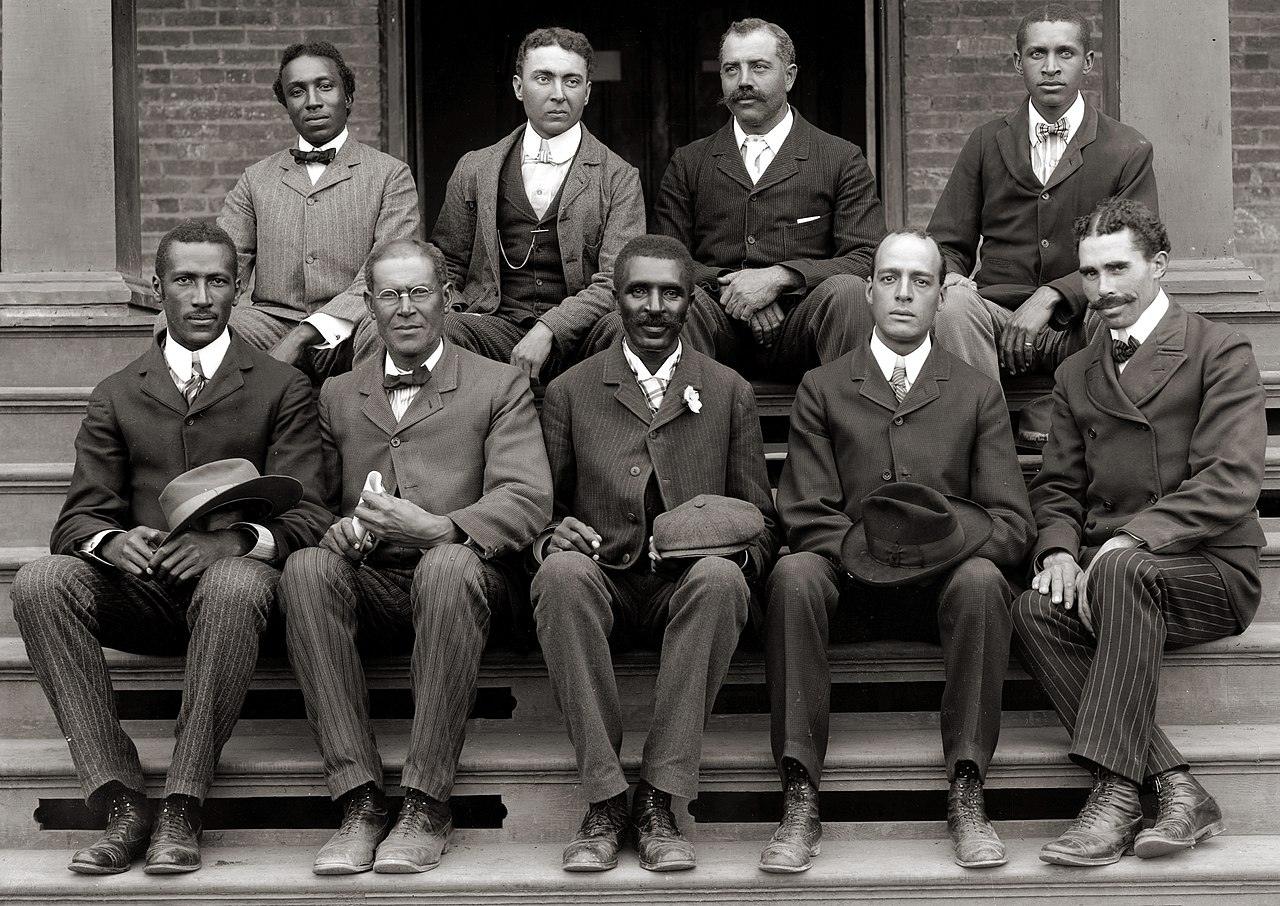


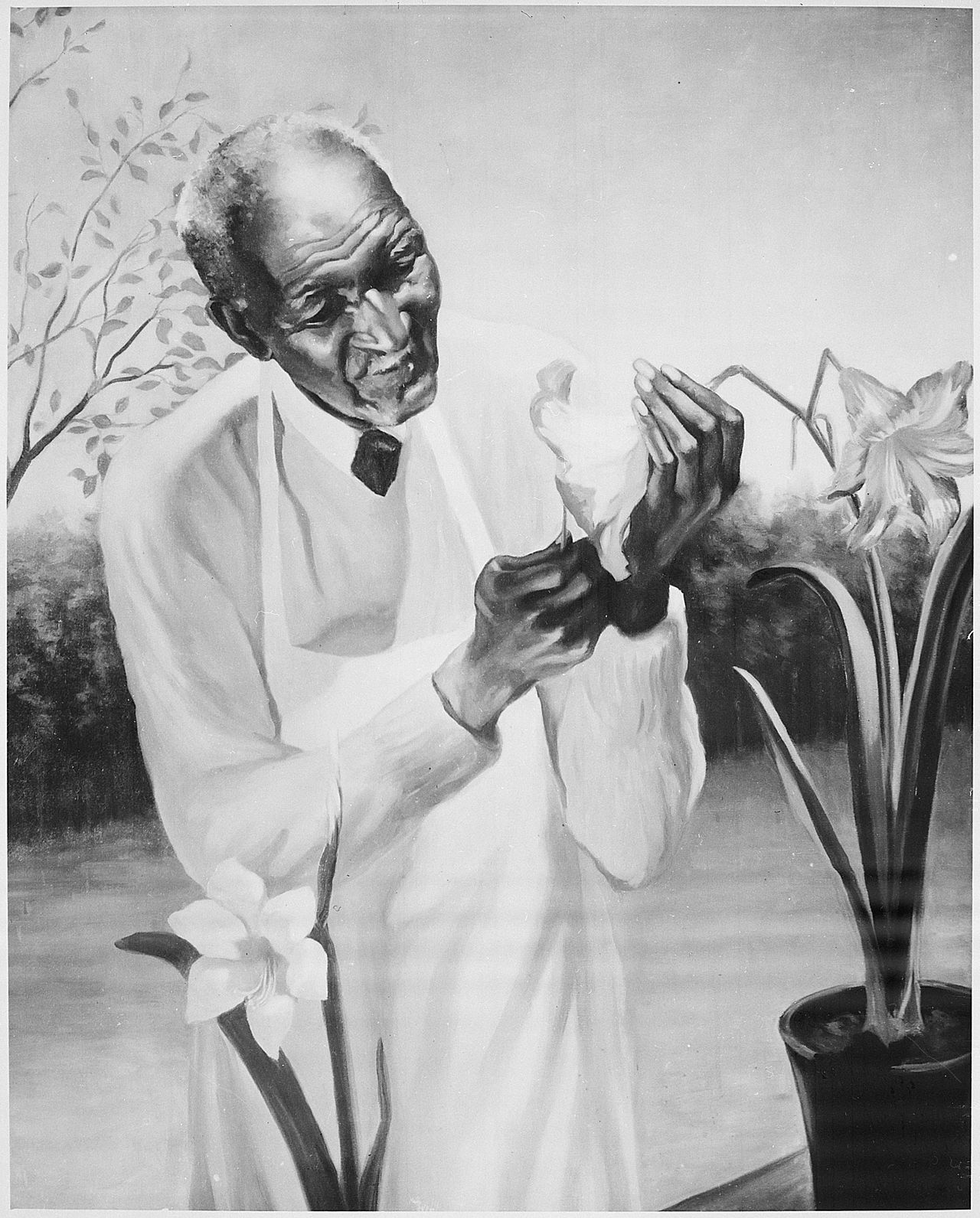


Early life and education
Carver's exact birth date is uncertain; contemporary accounts place his birth in the early 1860s near Diamond, Missouri. Orphaned as an infant, he was raised by a family in the region and showed an early interest in plants and the natural world. As a young man he pursued formal study, first attending Simpson College in Iowa to study art and later enrolling at the agricultural college at Iowa State, where he studied botany and trained in scientific techniques. These studies prepared him for a career that combined laboratory investigation with field demonstration and teaching.
Career and teaching
Carver joined the faculty at the Tuskegee Institute in Alabama, where he spent the bulk of his professional life teaching, conducting research and advising farmers. At Tuskegee he developed demonstration plots, trained students in scientific and practical methods, and worked closely with rural communities. His teaching emphasized low-cost, sustainable techniques appropriate for land-poor and capital-poor farmers, and he sought to translate scientific knowledge into everyday practices that would improve nutrition and livelihoods.
Research focus and methods
Carver’s research addressed the problem of soil exhaustion in the cotton-growing South. He advocated rotations that included legumes—peanuts, soybeans and other nitrogen-fixing crops—to replenish soil nutrients, break pest cycles and diversify farm income. Rather than emphasizing large industrial projects, Carver prioritized small-scale experiments, carefully recorded observations, and widely distributed concise, illustrated bulletins that rural families could read and use. His approach combined botanical study with practical horticulture and home-economics guidance.
Publications, outreach and practical guidance
Carver produced a series of short agricultural bulletins and leaflets aimed at farmers and homemakers. He is widely credited with authoring dozens of bulletins; one well-known pamphlet contained many recipes and household uses for peanuts. These publications covered planting, soil management, food preparation and ways to use surplus crops around the home and farm. Carver delivered public lectures and demonstrations and encouraged students to become community educators so knowledge could spread from farm to farm.
Products and inventions
Popular accounts often list large numbers of products that Carver purportedly developed from peanuts and sweet potatoes—items ranging from foods and dyes to industrial materials. He promoted the idea that alternative crops could serve both nutritional and commercial purposes. At the same time, historians note that some early publicity exaggerated the number and commercial viability of these inventions. Carver generally did not seek patents; he preferred to publish his methods and assign any commercial rights to the Tuskegee Institute so that benefits would serve the wider community.
Honors, recognition and legacy
During his lifetime Carver received national recognition for his contributions to agriculture and education. He was awarded honors that included the Spingarn Medal and other public commendations, and he received honorary degrees in recognition of his service. His legacy endures in the promotion of sustainable soil management, the use of demonstration farms as an educational tool, and the broader movement to adapt scientific research to the needs of resource-limited farmers.
Myths and common misconceptions
Several myths surround Carver’s life. He is often said to have "invented" peanut butter; while he developed many culinary uses for peanuts, he did not invent peanut butter in the commonly told sense. Likewise, modern appraisals distinguish between the popularized list of products attributed to him and the documented laboratory and demonstration work that made the most practical difference to farmers.
Later years and death
Carver continued teaching and advising at Tuskegee into his later years. He remained committed to outreach and education even as public attention to his work grew. He died on January 5, 1943, in Tuskegee, Alabama, after a fall in his home. His papers, the programs he developed, and the institution where he worked have continued to be important resources for historians, educators and agricultural researchers.
Further reading and resources
For introductions to aspects of his life and work, see materials on his role as an educator, his botanical training and contributions as a botanist, and discussions of his reputation as an inventor. Contemporary descriptions of the crops he promoted appear in summaries of his peanut research and his work with sweet potatoes. Biographical resources give context to his origins and early circumstances, including accounts of his birth into slavery and the Missouri locality where he was born near Diamond. Institutional histories and archives describe his long association with Tuskegee and note details of his final years. These resources provide starting points for further study of Carver’s scientific and educational contributions.
- Emphasis on crop rotation and soil health.
- Practical bulletins and demonstrations for small farmers.
- Promotion of alternative cash and food crops to diversify rural economies.
- A public legacy that combines science, teaching and social purpose.
Related articles
Author
AlegsaOnline.com George Washington Carver: agricultural scientist, teacher, and advocate for crop rotation Leandro Alegsa
URL: https://en.alegsaonline.com/art/119667
Sources
- nndb.com : "George Washington Carver"
- aggie-horticulture.tamu.edu : "How to Grow the Peanut and 105 Ways of Preparing it for Human Consumption"