
George Soros: investor, philanthropist, and public figure
Hungarian‑American financier and philanthropist George Soros is known for his hedge fund success, the 1992 Black Wednesday trade, and decades of global philanthropy promoting open societies.
Overview
George Soros (born Schwartz György; August 12, 1930) is a Hungarian‑American investor, hedge fund manager and philanthropist. He is best known as the chairman of Soros Fund Management and for a currency trade during the 1992 UK crisis that earned him wide public attention and the nickname "The Man Who Broke the Bank of England". In his public life he combines active financial management with large‑scale grantmaking and political engagement.
Image gallery
9 Images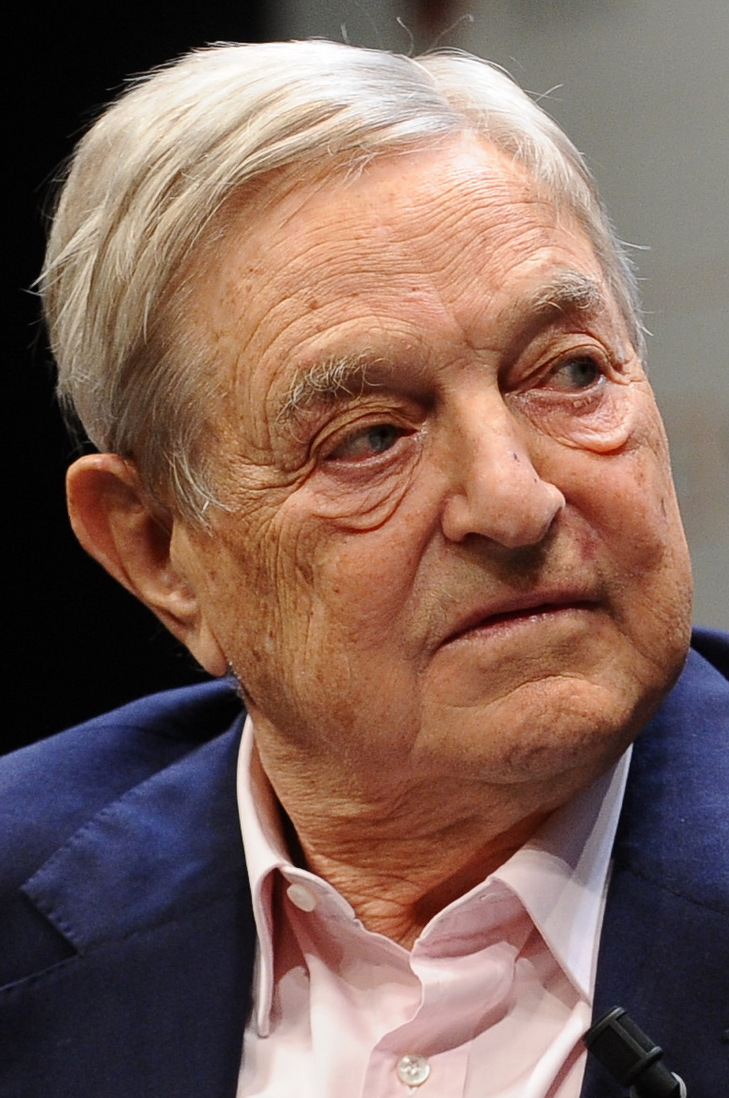



Early life and intellectual influences
Soros was born in Hungary and came of age during the upheavals of World War II. He emigrated to the United Kingdom after the war and studied at the London School of Economics, where he encountered the philosopher Karl Popper. Popper's ideas about open societies and the fallibility of human knowledge influenced Soros's later philanthropic priorities and his own reflections on markets and decision making.
Financial career and approach
As a merchant of global capital, Soros helped popularize modern hedge‑fund strategies. He ran the Quantum Fund and later Soros Fund Management, investing across currencies, equities and bonds. He is associated with a reflexivity theory of markets—an argument that market participants' beliefs can affect fundamentals and thus create feedback loops. His positions, particularly large currency bets, made him both substantial profits and public notoriety; his 1992 short of the pound sterling is the most cited example, yielding substantial reported gains.
Philanthropy and public work
Soros established a network of foundations, often referred to collectively as the Open Society Foundations, to support causes such as education, human rights, public health, judicial independence and democratic governance. These programs operate across many countries and include university support, scholarships, legal reform projects and civil society capacity building. His philanthropic agenda reflects a long‑standing commitment to open, pluralistic institutions inspired by his intellectual roots.
Criticism and controversy
Soros's public profile has drawn criticism from a range of political actors. Critics object to his political donations and to what they see as outsized influence over public debate. He has also been the target of conspiracy theories and regulatory scrutiny in media and political discourse. Supporters counter that his activities promote transparency, human rights and accountable government.
Notable facts and legacy
- Author and thinker: Soros has written about finance, markets and social issues, including works that set out his ideas on reflexivity and economic philosophy.
- Global reach: His philanthropic grants span education, health and legal reform in many countries.
- Public debate: He remains a polarizing figure who has helped shape discussions about the role of money in politics and the responsibilities of wealthy individuals.
For more detailed biographies and primary sources, see entries and profiles that collect his writings, interviews and statements about markets and open society principles. His Hungarian name appears in some records as Soros György.
Questions and answers
Q: Who is George Soros?
A: George Soros is a Hungarian-American business magnate, investor, and philanthropist who is the chairman of Soros Fund Management.
Q: When was George Soros born and what is his birth name?
A: George Soros was born on August 12, 1930, under the birth name Schwartz György.
Q: What is George Soros known for in the world of finance?
A: George Soros is famously known for making a profit of US$1 billion from investments during the 1992 Black Wednesday UK currency crisis, earning him the nickname "The Man Who Broke the Bank of England."
Q: What is the company that George Soros currently oversees?
A: George Soros is currently the chairman of Soros Fund Management, a company he founded.
Q: Where is George Soros from?
A: George Soros was born and raised in Hungary, though he later moved to the United States.
Q: What is George Soros' profession?
A: George Soros is a businessman, investor, and philanthropist.
Q: What is the significance of George Soros' philanthropy work?
A: George Soros is known for his philanthropic work in social justice and democracy, supporting efforts like the Black Lives Matter movement and opposing authoritarian regimes, which has earned him both praise and criticism.
Related articles
Author
AlegsaOnline.com George Soros: investor, philanthropist, and public figure Leandro Alegsa
URL: https://en.alegsaonline.com/art/119647
Sources
- forbes.com : "Forbes 400 Richest Americans: George Soros"
- video.google.com : "Authors@Google: George Soros"
- articles.sun-sentinel.com : "Latin America Efforts Honored"
- haaretz.com : "Business magnate George Soros: I'm afraid to come to Israel"
- companydirectorcheck.com : companydirectorcheck.com/george-soros.html
- open.edu : "A brief history of... Black Wednesday"
- theatlantic.com : "Finance: The Unifying Theme"
- georgesoros.com : George Soros FAQ
- uni-muenster.de : The New Yorker: THE MONEY MAN by JANE MAYER: Can George Soros’s millions insure the defeat of President Bush?
- ushmm.org : "Holocaust Encyclopedia"
- time.com : "Turning Dollars into Change"
- encyclopedia.com : "Hungary: Soros Donates $250 Million to University in Budapest"
- commondreams.org : "Why We Must Not Re-elect President Bush"