
George Miller (California politician)
Long-serving Democratic U.S. Representative from California (1975–2015), chair of the House Education and Labor Committee (2007–2011), known for work on education, labor and consumer issues.
George Miller III (born May 17, 1945) is an American politician who served as a United States Representative from California for four decades, retiring in 2015. A member of the Democratic Party, Miller was long identified with legislative work on labor rights, education policy, and consumer protections. His tenure made him one of the more senior and influential members of California’s congressional delegation.
Image gallery
4 Images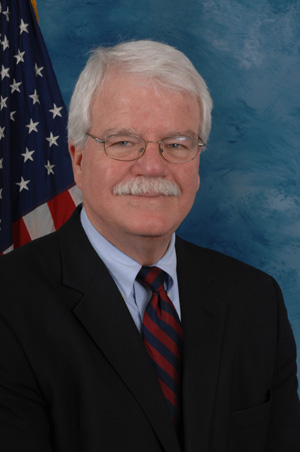


Early life and path to Congress
Miller grew up in a family engaged in public affairs and entered elective office in the 1970s. He won his first election to the U.S. House of Representatives in 1974 and began a continuous record of service that spanned multiple decades and several redistricting cycles. Over time he built seniority and committee assignments that shaped his legislative priorities.
Congressional career and leadership
During his time in Congress, Miller served on key committees and rose to party leadership roles relevant to his interests. From 2007 to 2011 he was chairman of the House Education and Labor Committee, a post that placed him at the center of federal debates over schools, job training, workplace standards and related regulations. His committee chairmanship allowed him to influence hearings, draft legislation, and broker compromises among diverse interest groups.
Policy focus and accomplishments
Miller’s public record emphasized several, often overlapping themes:
- Labor and workplace policy: advocacy for workers’ rights, safety standards, and enforcement of labor laws.
- Education: attention to K–12 and higher education issues, including federal funding and accountability discussions.
- Consumer and environmental concerns: support for measures intended to protect consumers and public health.
He was known for coalition-building with labor unions, education advocates, and other lawmakers seeking regulatory protections or public investments in human capital.
Controversies and retirement
Later in his career Miller faced routine scrutiny that accompanies long-serving public figures. In early 2012 he was cited in media reports as among members of Congress who accepted substantial amounts of free travel the prior year; such disclosures led to discussion of travel practices across the House. In 2015 he chose not to seek reelection and left Congress after forty years, leaving a legacy as a senior legislator who consistently prioritized workplaces and schools.
Miller’s career illustrates how committee assignments and institutional seniority can shape policy outcomes over decades. For further background on congressional roles and committee jurisdiction, see legislative summaries and resources on congressional organization and committee procedure (representative profile, party resources).
Related articles
Author
AlegsaOnline.com George Miller (California politician) Leandro Alegsa
URL: https://en.alegsaonline.com/art/119623
Sources
- rollcall.com : "Members of Congress Travel Far on Private Groups' Dime"