
Gene Kelly: American dancer, actor, director and choreographer
Concise profile of Gene Kelly: his life, career in film and stage musicals, signature style, key films and lasting influence on filmed dance and Hollywood musicals.
Overview
Eugene Curran Kelly (August 23, 1912 – February 2, 1996), known professionally as Gene Kelly, was an American dancer, actor, singer, director, producer and choreographer. He became one of the most visible faces of Hollywood musical films in the mid‑20th century, combining athleticism with a relaxed, everyman charm. Many readers associate him with the film Singin' in the Rain, though his career spanned stage, screen and television and included important collaborations with fellow directors and performers.
Image gallery
10 Images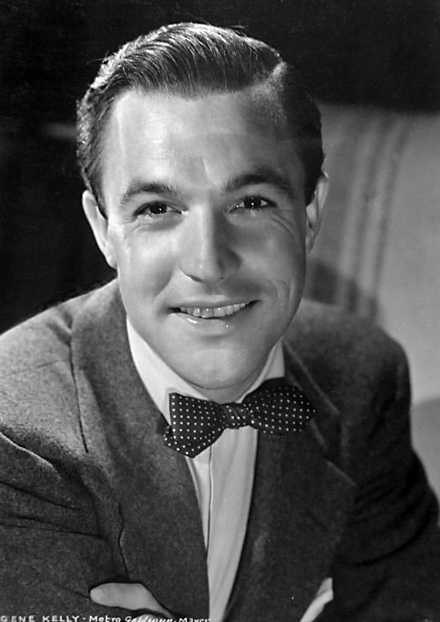


Early life and training
Born and raised in the industrial northeastern United States, Kelly trained in dance and dramatic arts from a young age. He worked in regional theatre and on Broadway before moving into motion pictures. His early experience in live performance gave him a practical sense of how choreography and character could be combined to serve narrative drama as well as spectacle.
Film career and collaborations
Kelly rose to national prominence in the 1940s and 1950s through a string of Hollywood musicals. He often took multiple creative roles in a single production—as performer, choreographer and sometimes director—helping to shape the modern movie musical. He co‑directed and choreographed several features and frequently collaborated with directors and performers to adapt stage forms to the cinematic medium.
Style and innovations
Kelly helped reshape dance for film by emphasizing movement integrated with character and camera work rather than display alone. His technique combined tap, ballet and contemporary movement and favored long lines, brisk footwork and expansive gestures. He was an early advocate for using camera angles, editing, location shooting and set design as active partners of choreography so that dance advanced plot and developed personality.
Notable films
- Singin' in the Rain — widely regarded as his most enduring screen performance and an exemplar of musical comedy and dance film craft.
- An American in Paris — showcased extended ballet sequences and the blending of dance with visual design.
- On the Town — an energetic, location‑based musical that he co‑directed and choreographed, notable for its ensemble work.
- Anchors Aweigh — featured a famous sequence blending live action with animation and demonstrated Kelly's willingness to experiment with film techniques.
- Brigadoon and other stage adaptations — examples of his work translating theatrical musicals for cinema audiences.
Awards and later years
Over the course of his career Kelly received recognition for both performance and creative achievement. He was honored by peers and institutions that acknowledged his contribution to the art of filmed dance and the movie musical. In his later years he continued to teach, direct and advise on productions, and his films remained in frequent circulation on television and in retrospectives.
Influence and legacy
Kelly's insistence that dance in film should serve story and character influenced generations of choreographers, directors and dancers. His work helped normalize a more naturalistic, athletic image of the male lead in musicals and expanded the technical and expressive possibilities of choreography on screen. Film and dance scholars continue to study his numbers for their staging, camera use and integration of movement with cinematic form. Public appreciation of his work endures through revivals, documentaries and the continued popularity of key titles.
Further reading
For a fuller account of specific productions, collaborators and critical perspectives, consult film histories and dance studies that document the development of the Hollywood musical and Kelly's role in shaping filmed dance.
Questions and answers
Q: Who was Gene Kelly?
A: Gene Kelly was an American dancer, actor, singer, director, producer and choreographer.
Q: What was Gene Kelly known for?
A: Gene Kelly was known for his energetic and athletic dancing style, his good looks and the likeable characters that he played on screen.
Q: What was Gene Kelly's most famous act?
A: Gene Kelly's most famous act was in the movie Singin' in the Rain.
Q: In which period was Gene Kelly the most popular actor in the Hollywood musical movie industry?
A: Gene Kelly was the most popular actor in the Hollywood musical movie industry from the mid 1940s to the early 1980s.
Q: When did Gene Kelly die?
A: Gene Kelly died on February 2, 1996.
Q: How did Gene Kelly die?
A: Gene Kelly died of a stroke on February 2, 1996.
Q: Was Gene Kelly only famous for his dancing skills?
A: No, Gene Kelly was also famous for his acting, singing, directing and producing skills.
Related articles
Author
AlegsaOnline.com Gene Kelly: American dancer, actor, director and choreographer Leandro Alegsa
URL: https://en.alegsaonline.com/art/119486