
Gaius Caesar (20 BC–AD 4), grandson and heir of Augustus
Gaius Caesar, grandson of Emperor Augustus, was raised and publicly promoted as Julio-Claudian heir. He held senior honours, led eastern diplomacy, and died young, a death that altered the imperial succession.
Gaius Caesar (20 BC–AD 4) was a grandson of the first Roman emperor and a prominent member of the Julio-Claudian family. Born to Marcus Vipsanius Agrippa and Julia the Elder, he and his younger brother Lucius were adopted by the emperor Augustus and groomed as his principal heirs. Both brothers died in their early twenties; Gaius’s premature death removed the immediate line of succession and helped clear the path for Tiberius.
Image gallery
10 Images

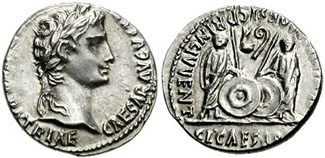




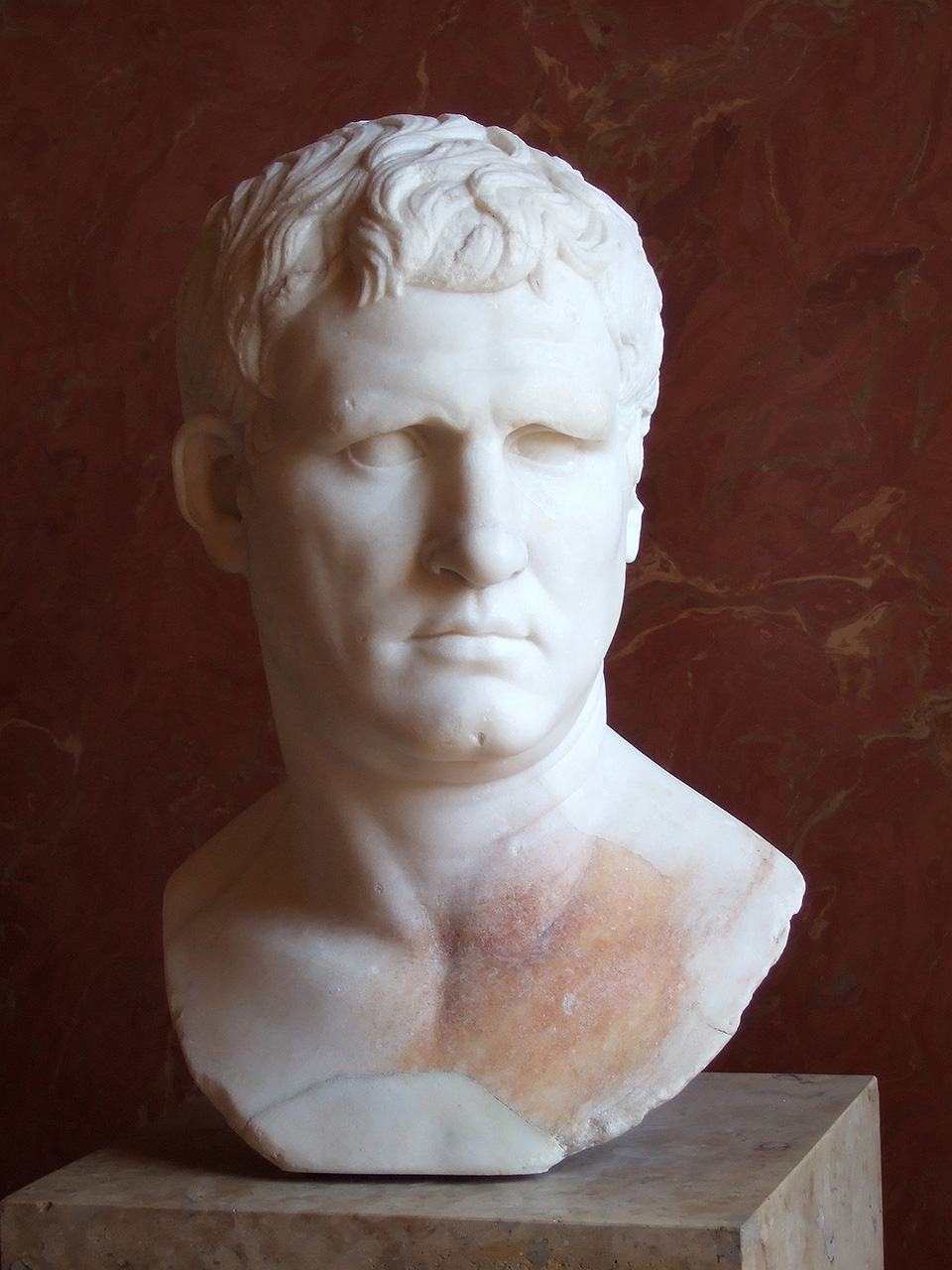
Family background and upbringing
As the eldest surviving son of Agrippa and Julia, Gaius belonged to the inner circle of the imperial household. Augustus publicly promoted him from childhood, giving him honors and positions uncommon for someone so young. The emperor’s patronage aimed to secure a hereditary passage of authority within the Julio-Claudian line by educating and testing these heirs in public and military roles.
Public duties and eastern assignment
Gaius received rapid advancement and assumed responsibilities that signalled imperial trust. Augustus entrusted him with important diplomatic and military missions in the eastern provinces, where Rome maintained client kingdoms and contested influence, especially over Armenia and neighboring territories. These assignments were intended to provide practical experience and to demonstrate his capacity to govern and command.
During his service in the East Gaius suffered serious wounds and illness. He died in AD 4 while on campaign away from Rome, ending a career that many contemporaries had regarded as promising but cut tragically short. His brother Lucius had already died earlier, and their losses forced Augustus to reconsider the succession.
Legacy and historical significance
Gaius is remembered primarily as one of Augustus’s designated heirs whose untimely demise reshaped imperial plans. The removal of both Gaius and Lucius from the line of succession contributed to the eventual accession of Tiberius and to Augustus’s broader efforts to secure dynastic continuity. Ancient authors and later historians often describe Gaius as emblematic of the fragility of dynastic politics in the early empire.
- Born into the Julio-Claudian dynasty and adopted by Augustus.
- Rapidly advanced into high state roles and eastern command.
- Death in AD 4 precipitated a major change in succession plans.
Related articles
Author
AlegsaOnline.com Gaius Caesar (20 BC–AD 4), grandson and heir of Augustus Leandro Alegsa
URL: https://en.alegsaonline.com/art/119368