
Tiberius: Roman emperor, general, and reluctant ruler
Tiberius (42 BC–37 AD) was Rome’s second emperor (14–37 AD). A skilled general and administrator, his reign combined early competence with later withdrawal, political purges, and a contested historical legacy.
Overview
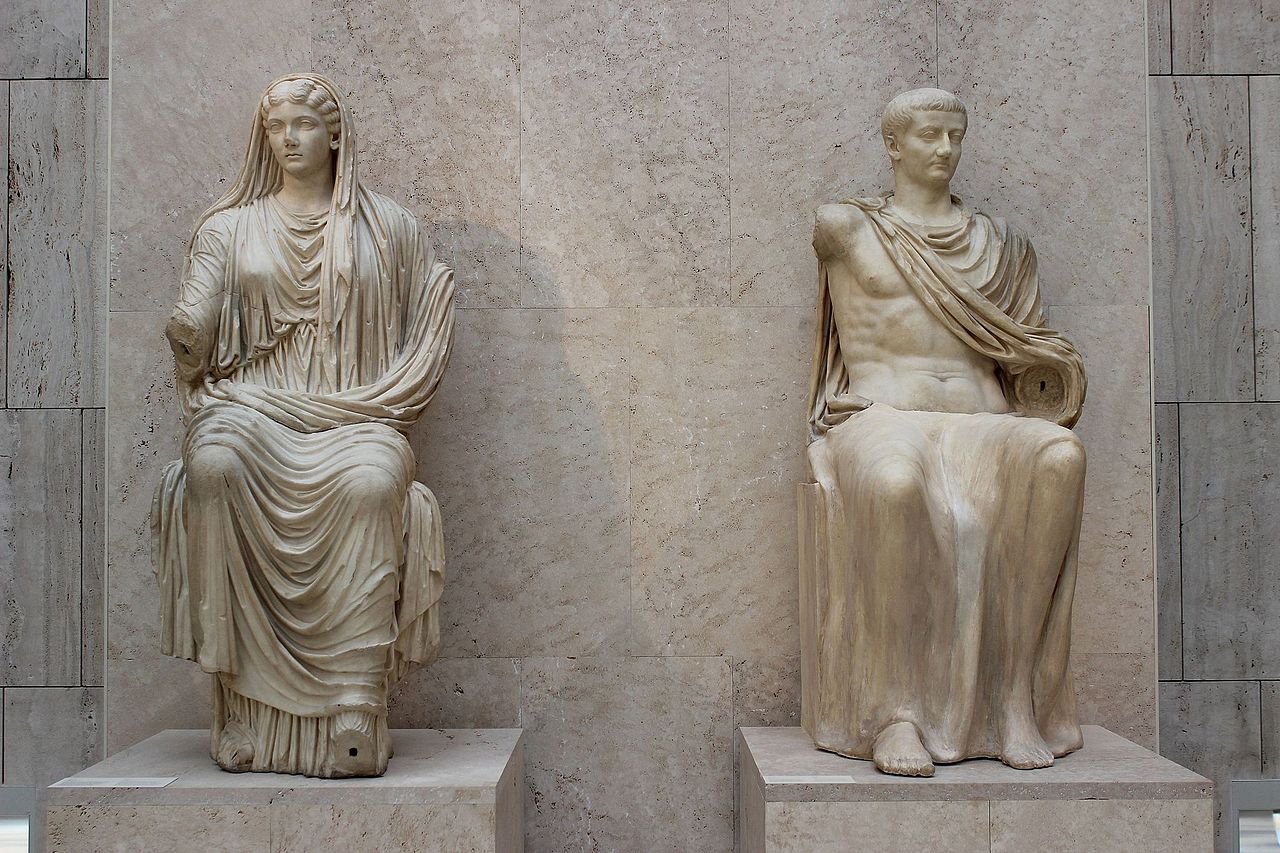
Tiberius Julius Caesar Augustus (16 November 42 BC – 16 March 37 AD) was the second emperor of Rome, ruling from 14 to 37 AD. He was the stepson and eventual heir of the first emperor, Augustus, whose policies and institutions he largely preserved. Tiberius combined a long military career and detailed administrative knowledge with a private temperament that later shaped his rule. He was succeeded by his grand-nephew and adopted grandson, Caligula.
Image gallery
10 Images




Early life and military career
Born into a prominent Roman family, Tiberius rose through the cursus honorum and won early distinction as a commander. Campaigns on Rome’s northern frontiers and in the Balkans helped secure territory and stabilize volatile provinces. His reputation as a disciplined and capable general made him a natural choice for Augustus when succession arrangements required an experienced successor. Family tragedies, including the premature death of his son Drusus in 23 AD, affected both his private life and the long-term prospects for dynastic continuity.
Principate and government
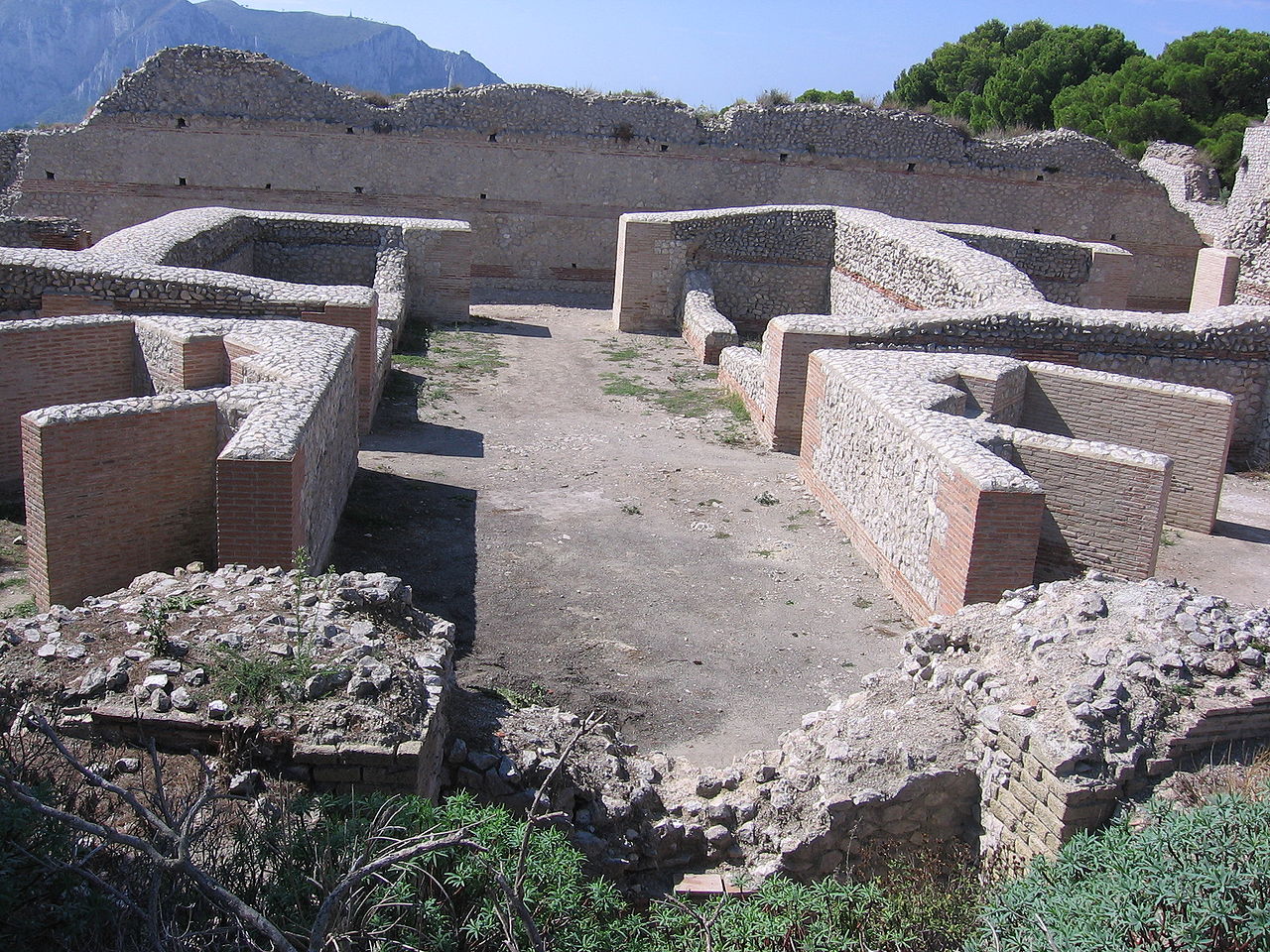
During the first part of his rule Tiberius maintained many Augustan policies: careful financial management, respect for the senate’s institutions in form, and prudent provincial oversight. Over time, however, he became more withdrawn and suspicious of rivals. In 26 AD he withdrew from regular life in the capital and relocated to the island of Capri, from which he continued to exercise imperial authority by correspondence and appointed deputies. That move coincided with growing reliance on trusted subordinates and an increasingly centralized decision-making process.
Sejanus, purges, and political crisis
While Tiberius was absent from Rome, much of day-to-day power was exercised by the Praetorian Prefect Lucius Aelius Sejanus, who consolidated control over the imperial guard and influence at court. Sejanus’ rise prompted intrigue and factional conflict. Contemporary accounts describe how he used legal prosecutions, secret accusations, and coercive measures to remove rivals. When evidence of plots and malpractice reached the emperor, Tiberius moved to curb Sejanus’ influence. The prefect was arrested and executed, and a subsequent wave of trials and executions targeted those implicated in abuses under his stewardship.
Personality, sources, and reputation
Ancient historians portray Tiberius as somber, cautious, and sometimes cruel, but sources such as Tacitus and Suetonius wrote with evident bias and sensationalism. Modern scholars tend to treat these accounts critically, recognizing both his administrative competence and the darker episodes of his later reign: withdrawal from public life, reliance on informers, and harsh judicial proceedings. His long rule provided continuity and stability after Augustus, even as it became associated with increasing autocracy.
Legacy and notable facts
- Military and fiscal impact: Tiberius preserved Rome’s borders and maintained the imperial treasury.
- Institutional continuity: He upheld many Augustan reforms while adapting the imperial office to changing circumstances.
- Controversial period: The ascendancy and downfall of Sejanus marked a violent chapter in his later years.
- Succession: His death in 37 AD led to the accession of Caligula, beginning a new and tumultuous phase for the principate.
For further reading on the transition from the Republic to the early Principate, biographies of Augustus and Tiberius, and prosopographical studies of key figures such as Sejanus, see collections and primary-source editions linked from standard reference works and databases (Augustus, broader imperial studies) and focused articles on Roman political culture and treason trials (political intrigue).
Questions and answers
Q: Who was Tiberius?
A: Tiberius was the second Roman Emperor who ruled from 14 to 37 AD and was the step-son of Caesar Augustus.
Q: What were Tiberius' accomplishments as a general?
A: Tiberius was one of Ancient Rome's greatest generals, responsible for protecting the northern frontier with his campaigns.
Q: How long did Tiberius reign as emperor?
A: Tiberius reigned for 22 years.
Q: What was the quality of Tiberius' rule like?
A: The first part of Tiberius' imperial work was excellent, but after the death of his son Drusus in 23, the quality of his rule declined and ended in terror.
Q: Where did Tiberius move in 26 AD and what happened as a result?
A: In 26 AD, Tiberius moved from Rome to the Isle of Capri, arguably resulting in a decline in the quality of his rule as his unscrupulous Praetorian Prefect Sejanus became the effective ruler of Rome and plotted against him.
Q: How did Tiberius respond to Sejanus' plotting?
A: When alerted, Tiberius counter-plotted to remove Sejanus from his official positions, and eventually executed him.
Q: Who succeeded Tiberius as emperor upon his death?
A: Tiberius' grand-nephew and adopted grandson, Caligula, succeeded him as emperor upon his death.
Author
AlegsaOnline.com Tiberius: Roman emperor, general, and reluctant ruler Leandro Alegsa
URL: https://en.alegsaonline.com/art/131885