
Black Flag (American hardcore punk band)
Black Flag, formed by guitarist Greg Ginn in California in the late 1970s, became a defining American hardcore punk band known for its abrasive sound, DIY ethic, iconic artwork, and the landmark album Damaged.
Overview
Black Flag was an American hardcore punk band formed in Southern California in the late 1970s and led by guitarist and songwriter Greg Ginn. The group is widely regarded as one of the originators of the hardcore punk movement in the United States. Known for short, fast, and aggressive songs, a relentless touring schedule, and an uncompromising do-it-yourself approach to recording and distribution, Black Flag helped shape underground music culture and inspired numerous independent labels and bands.
Image gallery
5 Images
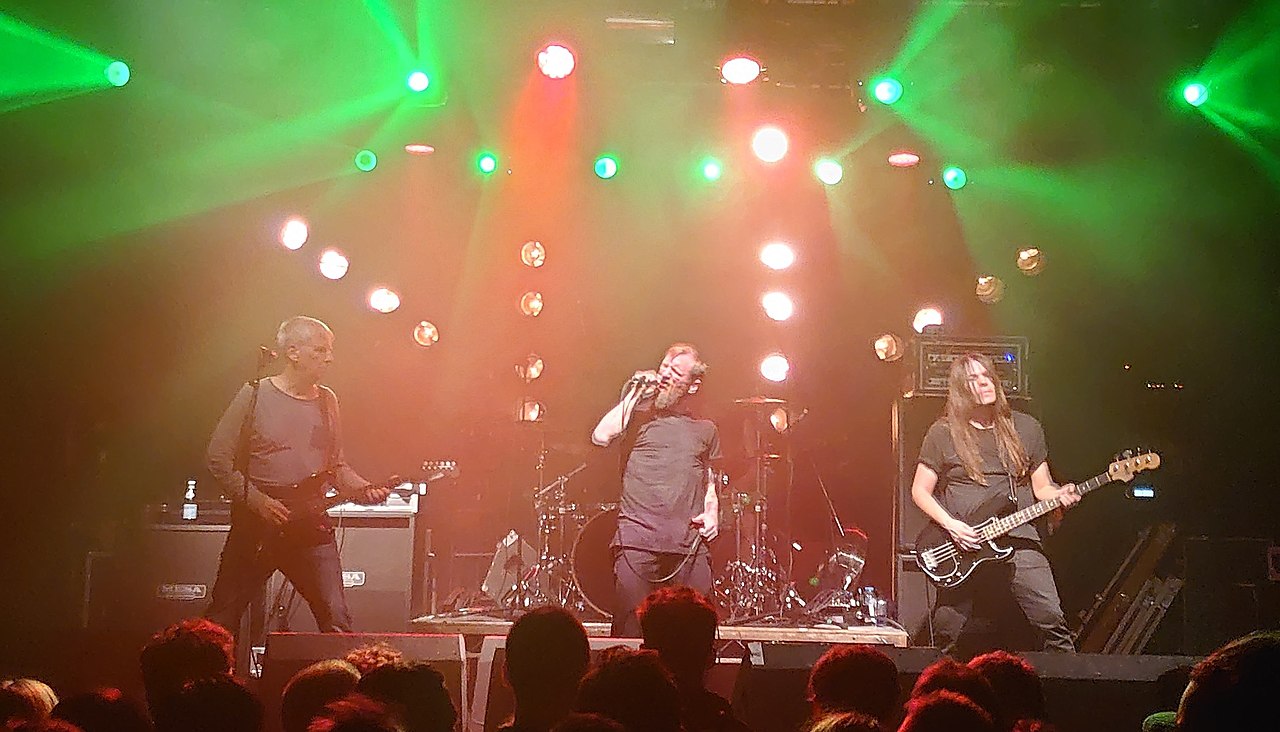


Formation and early years
The band grew out of the Southern California punk scene. In its early phase the group experimented with personnel and style before settling into the intense, high-energy sound that became their hallmark. Early vocalists included figures who later became prominent in the scene; subsequent lineups continued to evolve as the band toured and recorded. Greg Ginn remained the central figure, both musically and administratively, running the independent label that released many of the band’s records.
Lineup and notable members
Black Flag's membership changed frequently. Among the better-known musicians associated with the band were several vocalists who each brought a distinct presence, and a bassist who contributed to the songwriting and organization. The revolving lineup reflected the volatility and creative ferment of the era: members left to form other influential bands, and former members returned in different roles over time. These personnel shifts are part of the band's complex history and legacy.
Music, artwork and identity
Musically, Black Flag fused the rawness and speed of early punk with harsher, more confrontational rhythms and a heavier guitar attack. Their lyrics often expressed alienation, frustration, and defiance. Visually, the band became associated with a stark logo of four black bars and with provocative ink drawings created by a close associate and artist whose work appeared on covers and posters. That visual identity became inseparable from the music and the band’s cultural impact.
Recordings and key releases
Black Flag issued a mix of singles, EPs, live recordings, and full-length albums through independent channels. Their first widely acknowledged full-length studio album, Damaged (released in the early 1980s), is frequently cited as a landmark in hardcore punk and remains a touchstone for fans and critics. Their catalog demonstrates a transition from brief hardcore bursts to more developed and sometimes experimental compositions in later releases.
Touring and DIY ethic
Touring was central to Black Flag's activity. The band booked and promoted many of its own shows and embraced a DIY philosophy that encouraged self-reliance among musicians and fans. This ethic influenced how independent bands operated across North America and beyond, contributing to the growth of a grassroots network of venues, zines, and small labels that sustained underground music scenes.
Aftermath, influence and later activity
Black Flag dissolved in the mid-1980s, and members pursued diverse projects. A vocalist who rose to prominence with the band later led his own successful projects and gained wider public recognition for both music and spoken-word work. The band’s guitarist continued to run an influential independent label and remained active in music. Over the years, various reunions, legal discussions about the band's name, and new performances by different configurations have kept debates alive about legacy and ownership of the Black Flag identity.
Legacy
Black Flag's influence reaches beyond punk into alternative rock and underground culture. Their emphasis on independent production, relentless touring, and artistic autonomy helped shape subsequent generations of musicians. Critical retrospectives and fan archives continue to examine the band's recordings, art, and impact on later scenes. For those researching the group, primary sources include official catalogs, discographies, interviews, and curated archives that document performances and releases.
Further reading and resources
- Official site or catalog
- Comprehensive discography
- Biographical overview and timeline
- Southern California scene history
- Artwork and poster collection
- Interviews and oral histories
- Critical essays and album reviews
- Related projects and spin-offs
- Live performance archives
- Scholarly and fan resources
Researchers and fans are encouraged to consult archival interviews, contemporary reviews, and authoritative discographies to explore the band's evolving sound, lineup changes, and cultural significance. The group remains an important subject for the study of punk music, independent culture, and the dynamics of underground artistic movements.
Related articles
Author
AlegsaOnline.com Black Flag (American hardcore punk band) Leandro Alegsa
URL: https://en.alegsaonline.com/art/11913