
Franjo Tuđman (1922–1999): First President of Croatia
Franjo Tuđman was a Croatian historian, politician and the founding president of independent Croatia (1990–1999). He led the state through independence and war and remains a polarizing figure.
Overview
Franjo Tuđman (14 May 1922 – 10 December 1999) was a prominent Croatian historian and politician who became the first head of state of independent Croatia. 
Image gallery
10 Images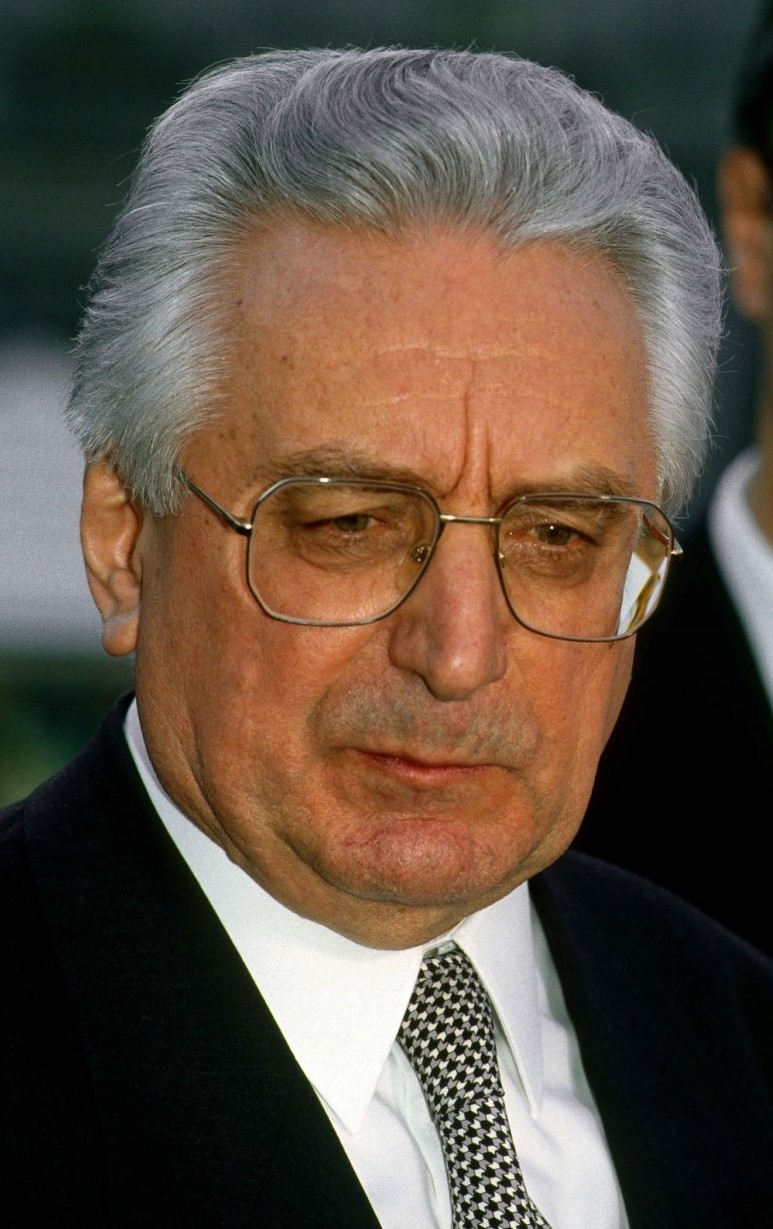




Early life and career
Born in 1922, Tuđman served in the anti-fascist struggle during World War II and later held positions in Yugoslav military and academic circles. He developed a scholarly profile as a historian, publishing on themes of national history and identity. By the 1960s and 1970s he had moved between official roles and intellectual work, and in the 1980s he became increasingly identified with Croatian political dissent and the movement for greater national autonomy.
Presidency and the path to independence
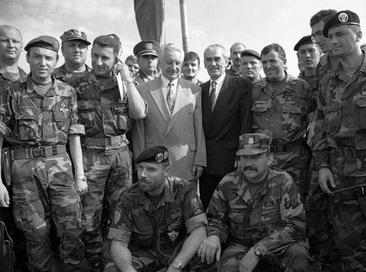
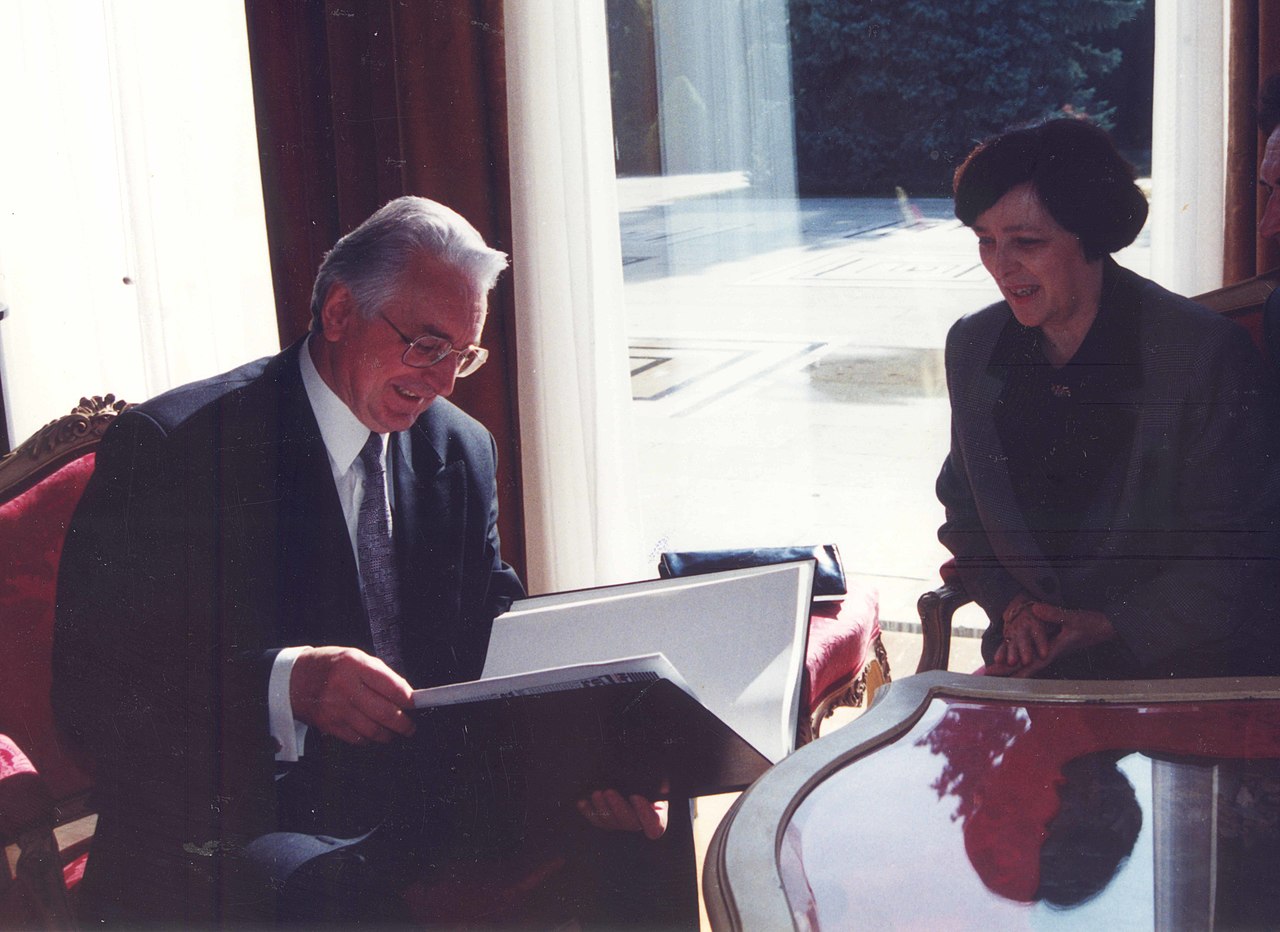
Tuđman led the HDZ to victory in 1990 and became President of the Presidency of the Socialist Republic of Croatia and soon after the first President of Croatia of the modern state. He presided over Croatia's formal declaration of independence in 1991 and steered the country through the Croatian War of Independence (1991–1995). His administration established new state institutions, conducted international diplomacy for recognition, and directed policies of wartime mobilisation and defence.
Policies, controversies and international attention
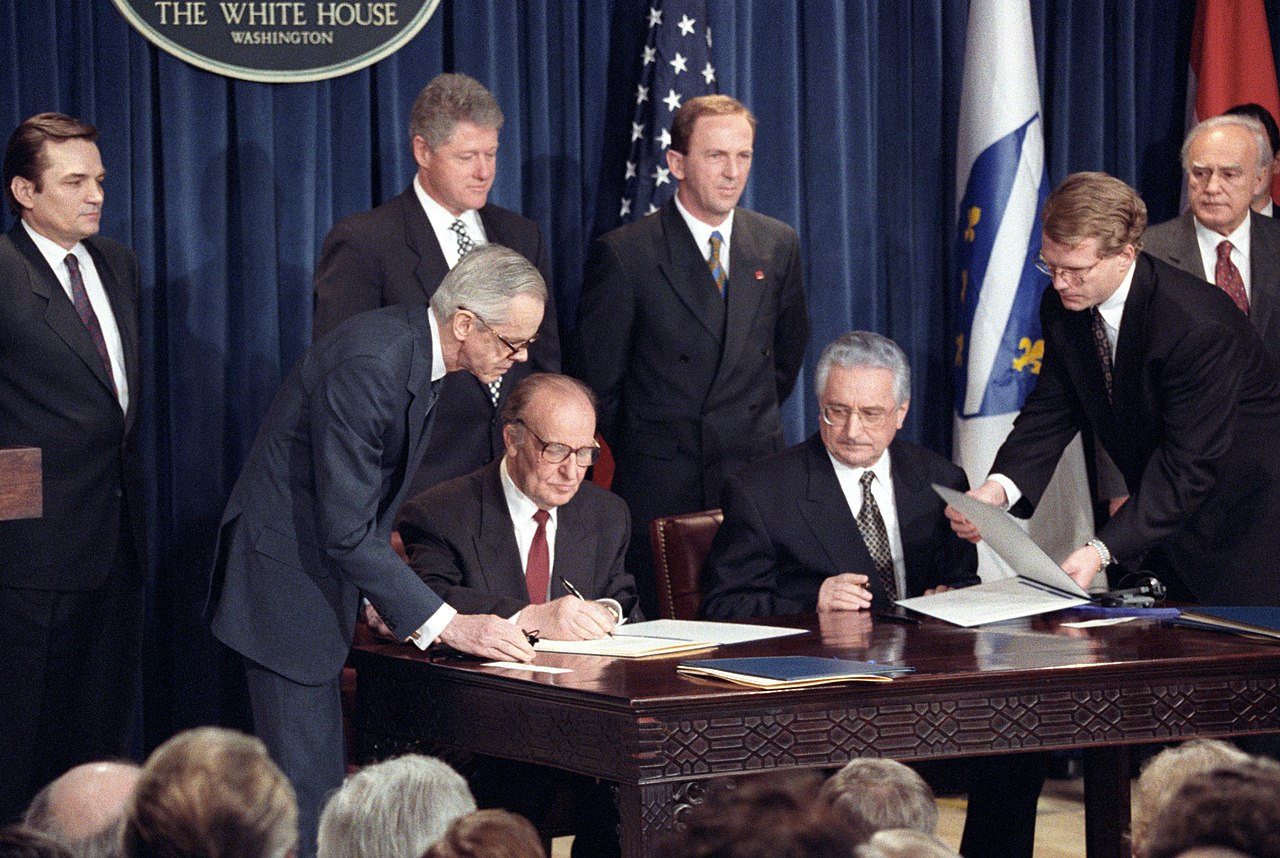
Tuđman's rule combined nation-building initiatives and centralising tendencies. Supporters credit him with achieving independence and consolidating Croatian sovereignty. Critics point to authoritarian practices, curbs on media freedom, and contested wartime conduct, particularly in relation to the conflict in neighboring Bosnia and Herzegovina. International prosecutors and observers investigated wartime events; some inquiries sought evidence concerning policy coordination and responsibility, but Tuđman died in 1999 before any formal international trial could be completed.
Death and legacy
Tuđman died of cancer on 10 December 1999 while still in office. His death marked the end of a formative decade in Croatian statehood. Debates over his legacy remain active: many Croatians remember him as the architect of independence, while others emphasize democratic shortfalls and controversial wartime decisions. His role shaped Croatia's transition from a Yugoslav republic to an independent nation-state.
Notable facts
- Founder and long-time leader of the Croatian Democratic Union (HDZ).
- Served as president from 1990 until his death in 1999.
- Often described both as a nation-builder and a polarising, authoritarian figure.
- Subject of international scrutiny related to wartime events in Croatia and Bosnia; inquiries continued after his death.
For further context on his political career and the period of Croatian independence see general sources on late 20th-century Balkan history and governance; additional archival and academic material provides detailed discussion of policies and controversies under his presidency (see Croatian studies and regional history).
Related articles
Author
AlegsaOnline.com Franjo Tuđman (1922–1999): First President of Croatia Leandro Alegsa
URL: https://en.alegsaonline.com/art/119099
Sources
- hrvatska.poslovniforum.hr : "ODLUKA O OZNAKAMA ČINOVA I DUŽNOSTI U ORUŽANIM SNAGAMA REPUBLIKE HRVATSKE"
- narodne-novine.nn.hr : "Rank Vrhovnik"
- britannica.com : "Franjo Tudjman"
- theguardian.com : "Franjo Tudjman"