
Ange-Félix Patassé: Central African political leader and president (1993–2003)
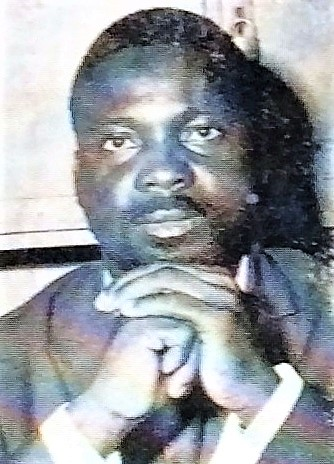
Ange-Félix Patassé (1937–2011) led the Central African Republic as president from 1993 until a 2003 coup. His decade in office was marked by elections, recurrent mutinies, regional interventions and years in exile.
Overview
Ange-Félix Patassé was a prominent Central African politician who served as President of the Central African Republic from 1993 until he was deposed in 2003. He led the Movement for the Liberation of the Central African People (MLPC) and was a central figure in the country’s transition from single-party rule toward multiparty elections. His presidency is remembered for its contested politics, security crises and influence on the country's contemporary trajectory.
Image gallery
3 Images

Early life and political rise
Born in 1937, Patassé entered public life during the decades after independence from French colonial rule. He rose through party ranks and government positions during the 1960s and 1970s, becoming a nationally recognised political figure. Over time he established the MLPC as a major party and built a support base in parts of the country, eventually standing for the presidency in the early 1990s when multiparty politics were restored.
Presidency (1993–2003)
Patassé won the 1993 presidential election, taking office at a moment of high hopes for democratic renewal. His administration pursued policies intended to stabilise the economy and consolidate political institutions, but it also confronted persistent problems: weak state institutions, rivalry within the armed forces, and limited resources. Multiple mutinies and armed unrest during his tenure strained the government's capacity to maintain order.
Crisis and overthrow
Throughout the late 1990s and early 2000s Patassé faced a series of rebellions and attempted coups. His dependence on foreign military support at various points and clashes with segments of the national army intensified political polarization. In March 2003 a rebellion led by François Bozizé culminated in Patassé being forced from office; the change of power marked another turbulent episode in the country's post‑independence history. For background on the opposing leader see François Bozizé.
Exile, later years and death
After his removal, Patassé spent several years in exile. He remained a symbolic figure for supporters of the MLPC and for those who viewed his presidency as part of a broader struggle over governance and representation in the Central African Republic. Patassé died on April 5, 2011, from complications of diabetes.
Legacy and significance
- Led a major political party, the MLPC, and shaped party politics in the 1990s.
- His decade in power highlighted the challenges of democratization in a state with fragile institutions.
- His overthrow underscored the role of armed force in political change and the regional dimensions of Central African politics.
For a concise biographical overview, see biography and timeline. Patassé's career illustrates both the possibilities and limits of electoral politics in countries with entrenched institutional weaknesses and recurring security problems.
Related articles
Author
AlegsaOnline.com Ange-Félix Patassé: Central African political leader and president (1993–2003) Leandro Alegsa
URL: https://en.alegsaonline.com/art/114192
Sources
- google.com : "Central Africans mourn ex-president Patasse"
- google.com : "C. African Republic ex-president Patasse dies: spokesman"