
Fernando Lugo: Paraguayan bishop-turned-president and political figure
Biography of Fernando Lugo, a former Roman Catholic bishop who became President of Paraguay (2008–2012), his political trajectory, impeachment, health, and subsequent role in Paraguayan politics.
Overview
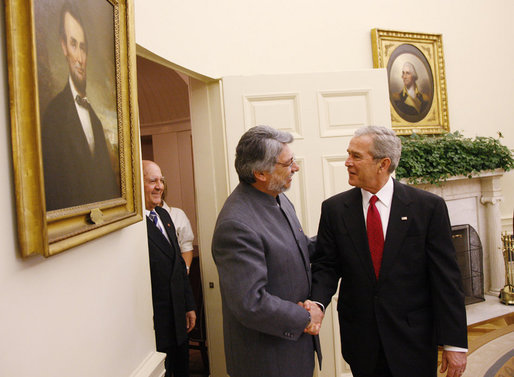
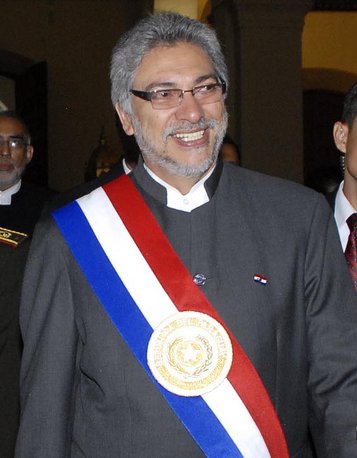
Fernando Armindo Lugo Méndez (born 30 May 1951) is a Paraguayan politician and former Roman Catholic clergyman who served as President of Paraguay from 2008 until 2012. His election marked a major shift in Paraguayan politics by ending more than six decades of domination by the Colorado Party and by elevating a figure known for pastoral work among poor and rural communities into the national spotlight.
Image gallery
7 Images



Religious career and early public life
Before entering elective politics, Lugo was ordained as a Catholic priest and later became Bishop of the Diocese of San Pedro (1994–2005). His work combined traditional pastoral responsibilities with an emphasis on social justice, land reform, and advocacy for marginalized groups, which helped build his public profile. He resigned his ecclesiastical office to pursue a political career, a rare transition from a bishopric to the highest national office.
Presidency (2008–2012)
Lugo campaigned as a reformist and led a coalition that united left-leaning parties and civic movements. As president, he prioritized poverty reduction, rural development, and a more independent foreign policy in the region. His administration faced challenges including political fragmentation in Congress, opposition from entrenched interests, and debates over the pace and scope of land and economic reforms.
Impeachment and controversy
In June 2012 Lugo was removed from office through a rapid impeachment process conducted by the Paraguayan legislature. The speed and circumstances of the proceeding prompted international debate; some observers and governments described the removal as a legitimate constitutional procedure while others called it a coup d'état or an irregular interruption of democratic order. The episode had notable diplomatic consequences and shaped Paraguay's political landscape in subsequent years.
Health, later career and significance
During his presidency Lugo was diagnosed with non-Hodgkin lymphoma in 2010 and received medical treatment while remaining in office. After his removal he continued to engage in politics, winning a seat in the Paraguayan Senate in the 2013 general elections and remaining an influential figure for sectors that support social reform and opposition coalitions. His career exemplifies intersections between religious leadership and secular politics in Latin America and raises enduring questions about transitions, accountability, and institutional checks and balances in the region.
Notable distinctions
- Transitioned from Catholic bishop to head of state, a path that is uncommon in modern Latin American politics.
- His election ended a long period of one-party dominance in Paraguay and reflected broader regional shifts toward diverse political coalitions.
- The contested nature of his removal continues to be cited in discussions of constitutional process versus political crisis.
Related articles
Author
AlegsaOnline.com Fernando Lugo: Paraguayan bishop-turned-president and political figure Leandro Alegsa
URL: https://en.alegsaonline.com/art/118931
Sources
- csmonitor.com : "Does Paraguay risk pariah status with president's ouster?"
- telesurtv.net : Partido Colorado se alzó como primera fuerza política en Paraguay — teleSUR
- frenteguasu.org.py : "Frente Guasu"
- bbc.co.uk : "BBC News: Paraguay President Fernando Lugo diagnosed with cancer"