
Fernando López (Fernando Hofileña López Sr.)
Filipino politician and businessman; served three terms as Vice President (1949–1953, 1965–1972) and chaired ABS-CBN from 1986 until his death in 1993.
Overview
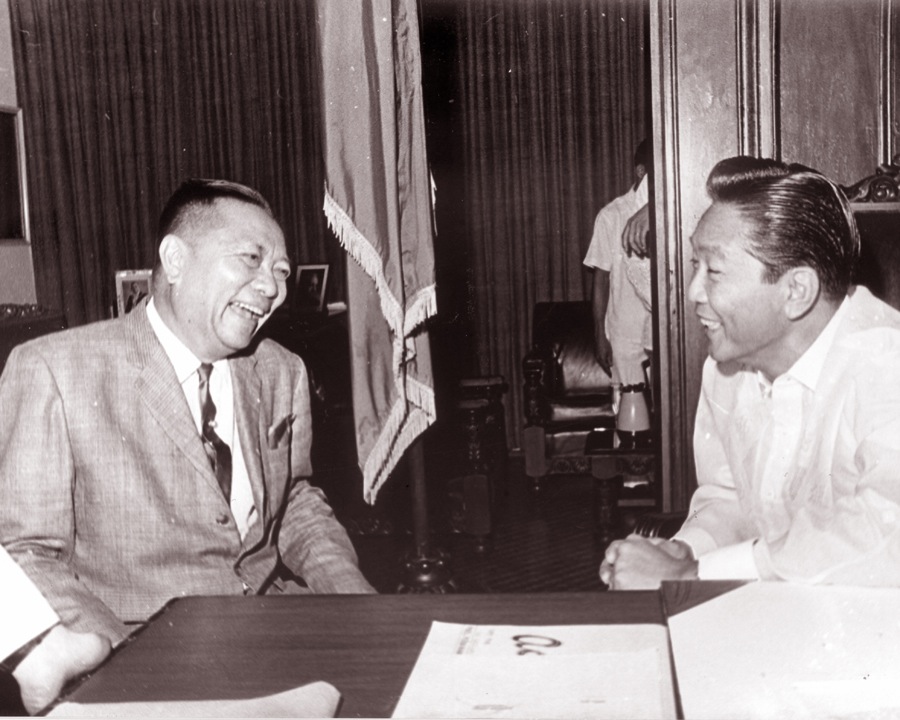
Fernando Hofileña López Sr. (April 13, 1904 – May 26, 1993) was a Filipino politician and corporate leader who served three terms as Vice President of the Philippines. His vice‑presidential tenures were 1949–1953 under Elpidio Quirino (as a member of the Liberal Party) and 1965–1969 and 1969–1972 under Ferdinand Marcos (as a Nacionalista). He later returned to high-profile business roles, notably presiding over major media interests.
Image gallery
5 Images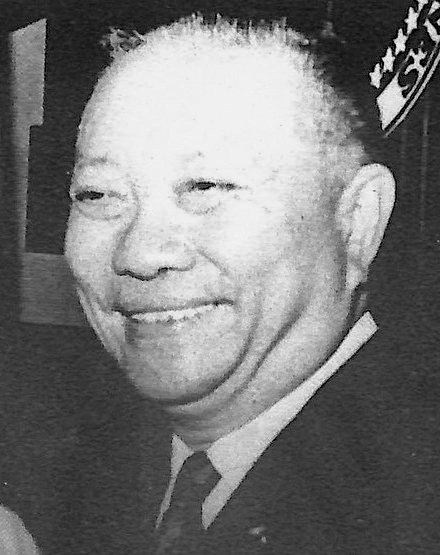


Background and family interests
Born into a prominent business family, López was associated with enterprises in media, utilities and agricultural sectors that played a significant role in the mid‑20th century Philippine economy. While active in public office, he maintained ties to these commercial interests; in the decades after his political career he became known primarily for his stewardship of the family’s media holdings.
Political career
López’s political life combined electoral campaigns and executive responsibility as vice president, a post that in the Philippines has alternately been a chiefly ceremonial office and a stepping stone to broader influence. His first term followed the postwar period of reconstruction; his later terms coincided with the politically turbulent 1960s and early 1970s. His final term effectively ended with the declaration of martial law in 1972, which altered constitutional government and curtailed many elected offices.
Business leadership and ABS-CBN
After the restoration of democratic institutions in 1986, the López family regained management of their broadcasting assets. Fernando López served as chairman of ABS-CBN Corporation from 1986 until his death in 1993, overseeing the network’s rebuilding in the post‑authoritarian period and helping reestablish a major platform for news and entertainment in the Philippines.
Legacy and notable facts
López is remembered as one of the few Filipinos to serve three terms as vice president, and for the intersection of his political and business roles. His career reflects mid‑century shifts in Philippine politics and media: from postwar governance, through the Marcos years, to the democratic transition of the 1980s. Assessments of his impact often note both his public service and the influence of his family’s commercial interests.
Key offices and associations
- Vice President of the Philippines — 1949–1953, 1965–1969, 1969–1972
- Political affiliations: Liberal Party (early term), later allied with the Nacionalista ticket of Ferdinand Marcos
- Chairman, ABS-CBN Corporation — 1986–1993
Related articles
Author
AlegsaOnline.com Fernando López (Fernando Hofileña López Sr.) Leandro Alegsa
URL: https://en.alegsaonline.com/art/118930