
Ernesto Maceda
Ernesto Madarang Maceda (1935–2016) was a Filipino politician and newspaper columnist who served in the Philippine Senate and as Senate President, and remained an influential public commentator.
Overview
Ernesto Madarang Maceda (March 26, 1935 – June 20, 2016), often known as Ernie Maceda, was a Filipino politician and columnist. He served multiple terms in the Philippine Senate and was a prominent public figure through both his legislative work and later writing. His career spanned the years before and after the Marcos era, reflecting sustained involvement in national politics.
Image gallery
4 Images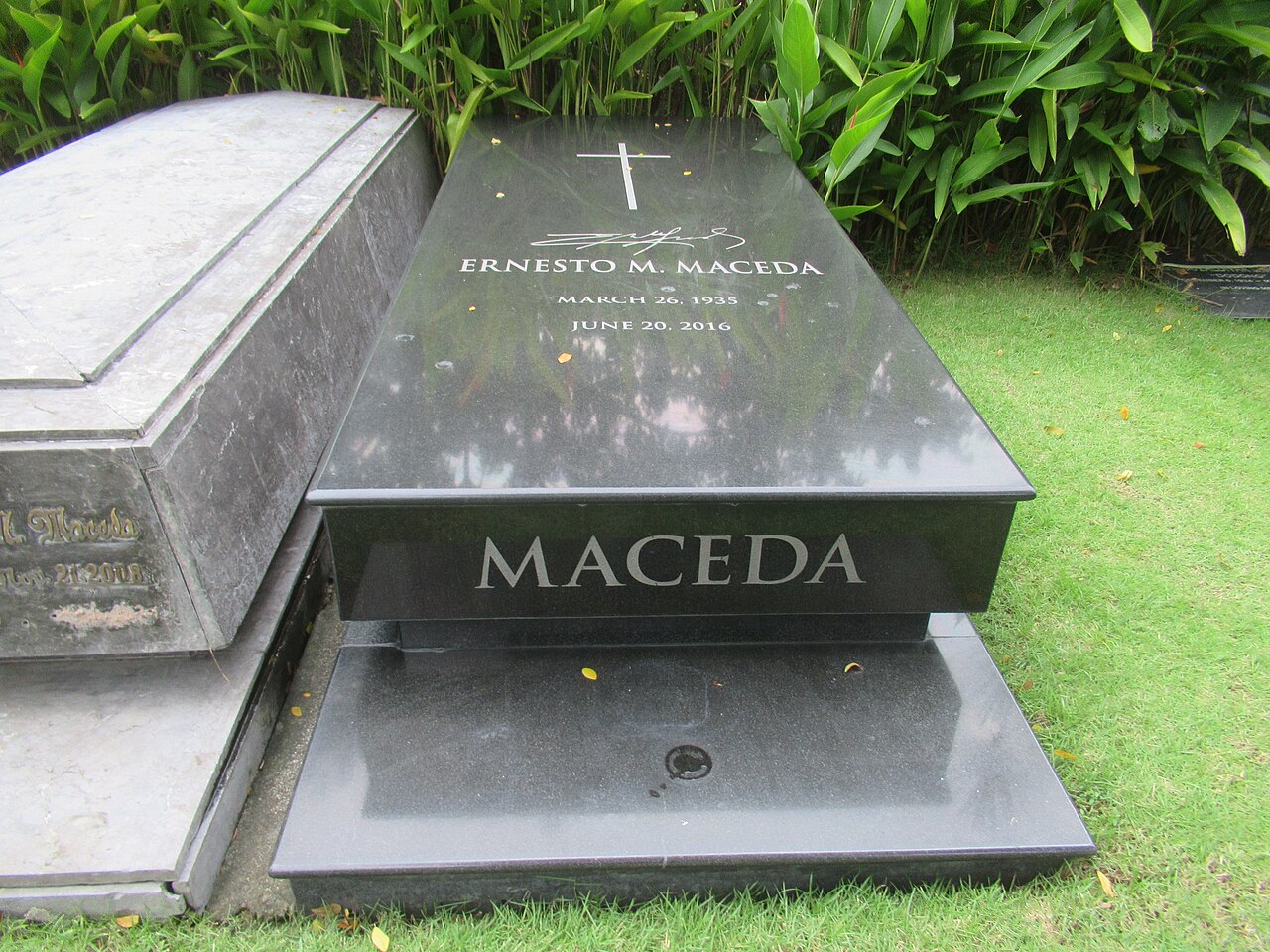


Political career
Maceda served as a member of the Philippine Senate in two distinct periods. He was first elected in 1971 and served until the suspension of Congress in 1972. He returned to elective office after the restoration of democratic institutions and held a Senate seat from 1987 until 1998. During his later tenure he held the chamber's highest post, serving as Senate President from 1996 to 1998. His long presence in the legislature made him a familiar figure in debates over national policy and institutional reform.
Positions and roles
- Senator: elected 1971–1972 and 1987–1998 (Senate service)
- Senate leadership: Senate President, 1996–1998
Writing and public life
Outside formal office, Maceda wrote columns and commentaries on public affairs, maintaining a visible voice in political discourse. He combined practical experience as a legislator with media presence, offering critiques and perspectives on governance that reached readers beyond the halls of Congress. His transition from active politician to columnist is an example of how public figures in the Philippines continue to shape debate after leaving elective office.
Death and legacy
Maceda died of multiple organ failure on the night of June 20, 2016 at a hospital in Quezon City (hospital), Philippines. He was 81. He is remembered for his long parliamentary service, his role in Senate leadership, and his later contributions to public commentary. Assessments of his impact note both his influence on legislative practice and his role in public debates during periods of significant political change in the country.
For further reading on his legislative record and public writings, consult contemporary accounts and collections of his columns and speeches, which document his positions on governance, public policy, and institutional reform.
Related articles
Author
AlegsaOnline.com Ernesto Maceda Leandro Alegsa
URL: https://en.alegsaonline.com/art/118661
Sources
- mb.com.ph : Ex-Sen. Maceda, 81, dies at 8:58 p.m. from multiple organ failure