
Bix Beiderbecke: American Jazz Cornetist and Pianist
Bix Beiderbecke (1903–1931) was an influential American jazz cornetist, pianist and composer whose lyrical tone and innovative harmonies shaped 1920s jazz and anticipated later styles.
Bix Beiderbecke (March 10, 1903 – August 6, 1931) was an American jazz musician best known for his cornet playing and for original piano compositions. Born in Davenport, Iowa, he became one of the most admired soloists of the 1920s and a formative figure in early jazz. His recorded work and composing demonstrated a blend of melodic lyricism and harmonic imagination that influenced peers and later generations.
Image gallery
8 Images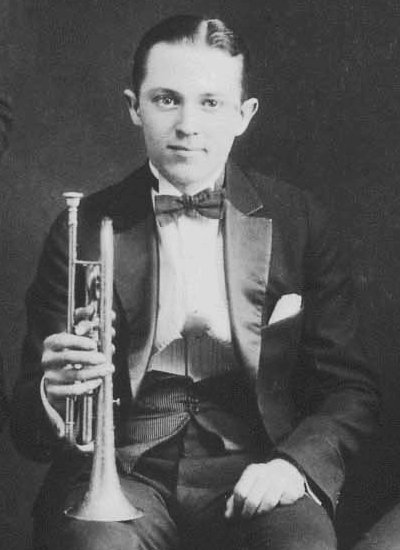



Musical style and instruments
Beiderbecke is principally remembered as a cornetist, but he was also a capable pianist and composer. His cornet tone has been described as pure, round, and introspective compared with the hotter, more brash styles of some contemporaries. On piano, he explored impressionistic harmony and wrote pieces that mixed jazz feeling with classical textures. He recorded as a soloist and in small groups, and his approach is often cited as a precursor to the cooler, more relaxed phrasing that emerged in later jazz.
Career and recordings
During the 1920s Beiderbecke worked with a number of ensembles and made influential recordings. He gained notice with the Wolverines and later recorded with small groups and with larger dance bands. Among his best-known recordings are small-group sides that showcase his melodic solos. He also composed pieces for solo piano; the most famous of these blends jazz rhythms with harmonic ideas drawn from impressionist composers.
Notable works and legacy
- Compositions: piano works that show an experimental harmonic palette and a willingness to bridge popular and art music idioms.
- Recordings: small-group sides that remain studied for their melodic inventiveness and lyricism.
- Influence: admired by fellow musicians and later generations for his tone, phrasing, and harmonic sense; often mentioned in histories of early jazz as a major innovator.
Life, struggles and death
Beiderbecke achieved celebrity among peers and audiences but faced personal difficulties later in life. He died at age twenty-eight in Queens, New York; contemporary accounts attribute his premature death to illness and complications. His life and work inspired biographies, tributes, and fictional portrayals that reflect both his musical importance and the poignancy of a brief career.
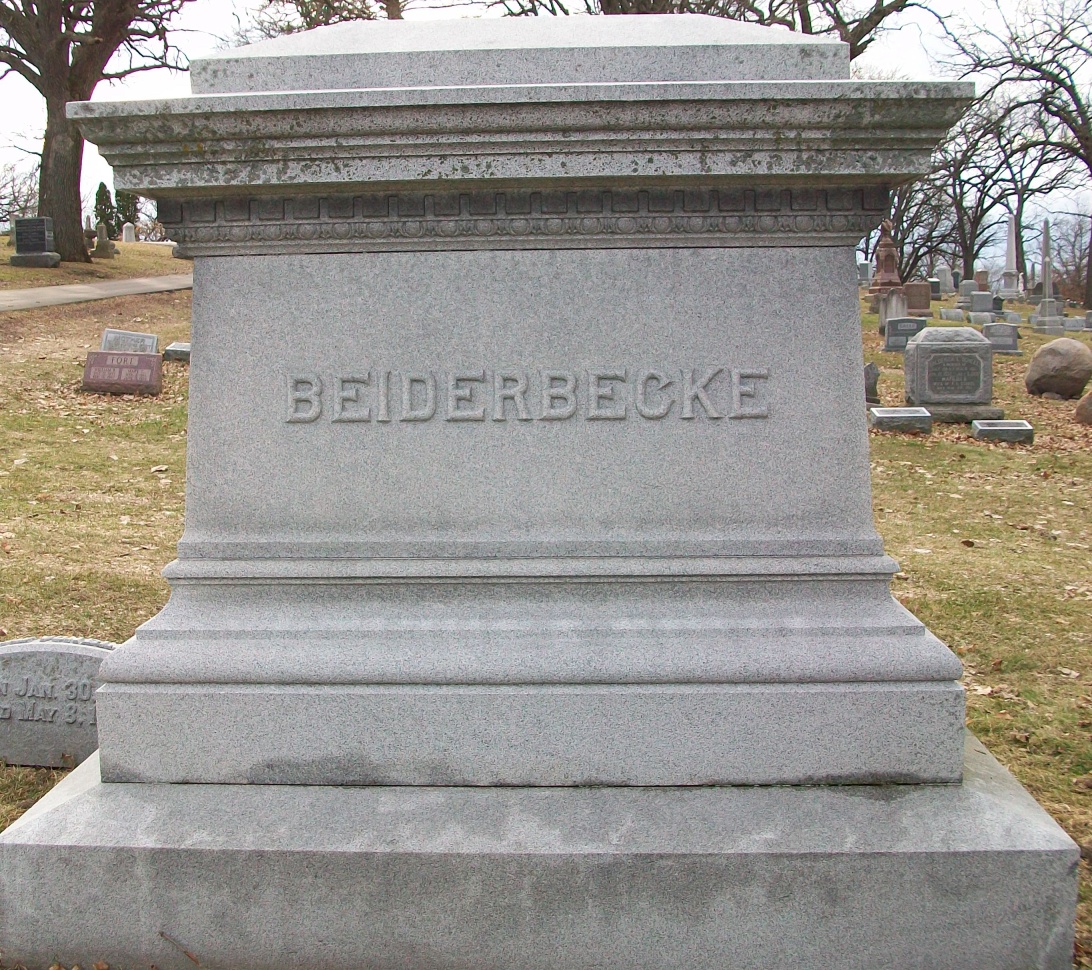
For more background on his music and surviving recordings see resources aimed at jazz history and discography. Readers can follow general references about early jazz and primary sources to explore how his style fit into the musical currents of the 1920s and why he remains a subject of study and admiration. Additional information and archival materials are available through specialist sites and collections on early American jazz: jazz performer profiles, pianist and composer summaries, accounts by fellow musicians, and historical notes on his death and final years at medical and biographical summaries. For local history about his origins see collections relating to his hometown.
Related articles
Author
AlegsaOnline.com Bix Beiderbecke: American Jazz Cornetist and Pianist Leandro Alegsa
URL: https://en.alegsaonline.com/art/11858