
Emperor Yōzei — 57th Emperor of Japan
Emperor Yōzei (869–949) was the 57th sovereign in Japan’s traditional list. He reigned from 876 to 884 and is remembered for an early accession, reported erratic behavior, forced abdication, and later long retirement.
Emperor Yōzei (陽成天皇, 869–949) is counted as the 57th emperor in Japan’s traditional order of succession. He ascended the throne in 876 as a boy and formally reigned until his removal in 884. Contemporary court chronicles and later histories preserve accounts of his brief rule and the political dynamics that surrounded his deposition.
Image gallery
3 Images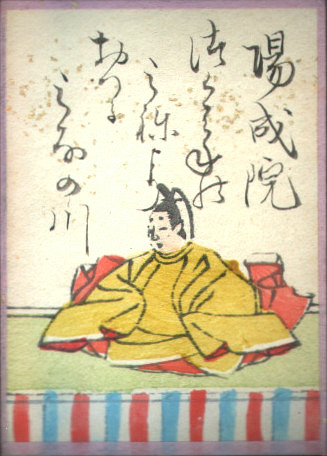
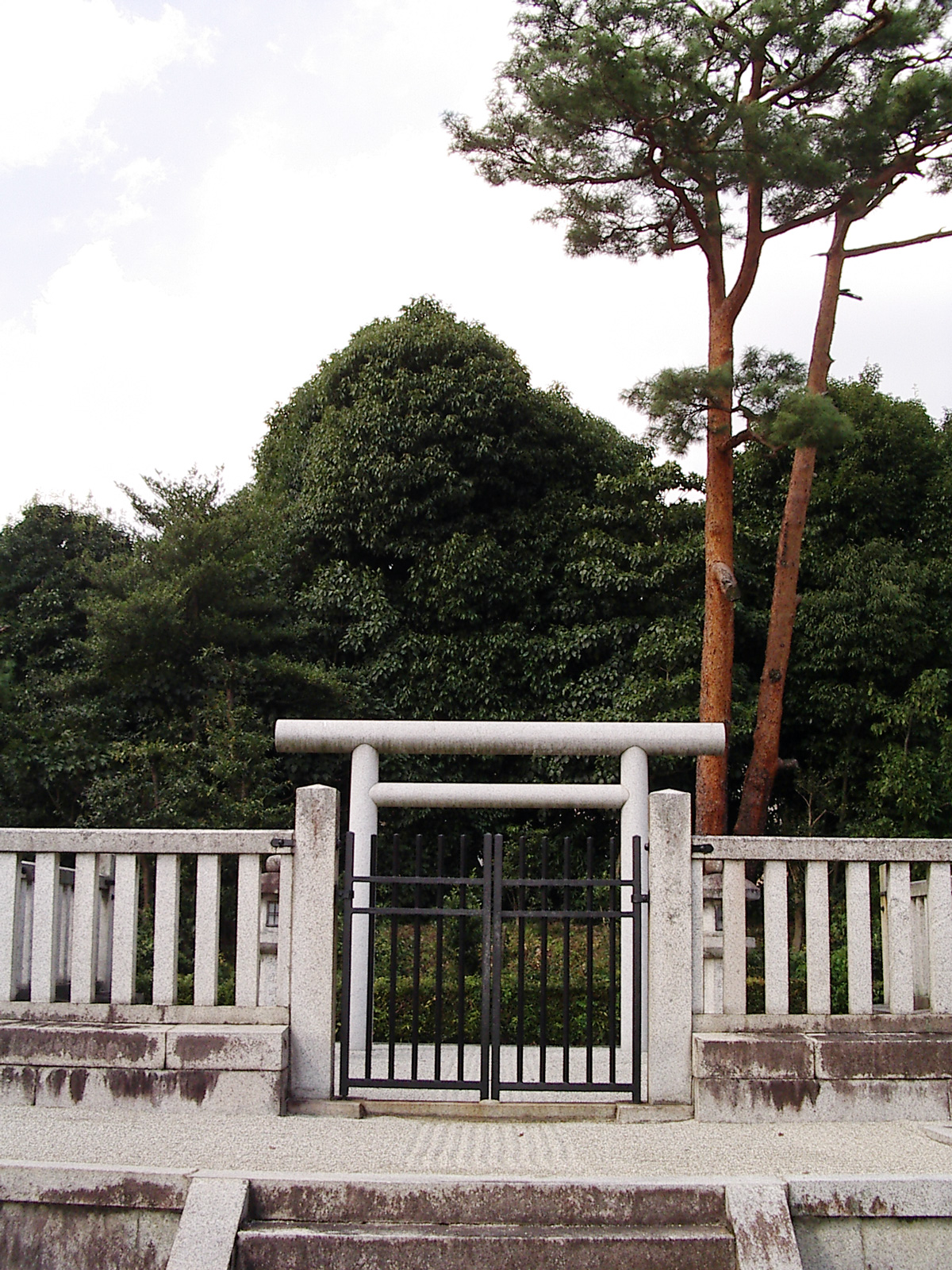

Early life and accession
Born in 869, Yōzei became emperor while still a child. His accession followed the pattern of hereditary succession practiced in the Heian court, where imperial children could be enthroned under the guidance and influence of regents and senior courtiers. The young age of the sovereign made the role especially dependent on powerful courtiers and regents for day-to-day administration.
Reign and contemporary accounts
Yōzei’s eight-year reign is chiefly known through court records that describe episodes of unpredictable and violent behavior. These reports—preserved in official chronicles compiled by Heian-era historians—portray a ruler whose temperament alarmed leading courtiers and raised concerns about the stability of court government. Because such sources were written by political insiders, historians read them cautiously, noting both factual detail and possible bias.
Abdication and later life
In 884, senior officials acted to remove Yōzei from the throne. The decision reflected the growing authority of regents and the Fujiwara clan in particular, whose leaders were increasingly able to shape succession and governance. After his deposition, Yōzei lived as a retired emperor and survived for many decades, dying in 949.
Legacy and significance
Yōzei’s case is often cited as an early example of how court politics and regental power could override an emperor’s personal position. His reign contributed to later debates about rulership, regency, and the role of retired sovereigns in Heian politics. Modern scholarship treats the narrative of his conduct with caution, weighing political motives behind contemporary portrayals.
Notable facts
- He is numbered the 57th emperor in the traditional succession list; see traditional order of succession for the sequence used by Japanese historiography.
- His reign (876–884) occurred in the late ninth century, a period of consolidating aristocratic influence at court.
- Historical assessments combine recorded anecdotes with recognition of possible court bias in sources.
Questions and answers
Q: Who was Emperor Yōzei?
A: Emperor Yōzei was the 57th Emperor of Japan.
Q: What is the traditional order of succession in Japan?
A: The traditional order of succession in Japan is the order in which Emperors have ruled over the country.
Q: When did Emperor Yōzei’s reign start?
A: Emperor Yōzei’s reign started in 876.
Q: When did Emperor Yōzei’s reign end?
A: Emperor Yōzei’s reign ended in 884.
Q: What is the significance of Emperor Yōzei’s reign?
A: Emperor Yōzei’s reign was significant as he was one of the many Emperors that have ruled over Japan's rich history.
Q: How long did Emperor Yōzei reign as Emperor of Japan?
A: Emperor Yōzei reigned as Emperor of Japan for 8 years, from 876 to 884.
Q: What is Emperor Yōzei’s full name?
A: Emperor Yōzei’s full name is Yōzei-tennō.
Related articles
Author
AlegsaOnline.com Emperor Yōzei — 57th Emperor of Japan Leandro Alegsa
URL: https://en.alegsaonline.com/art/118533
Sources
- kunaicho.go.jp : 陽成天皇 (57)
- books.google.com : Nipon o dai itsi ran: ou Annales des empereurs du Japon
- kunaicho.go.jp : Ceremony of Accession (Sokui-no-Rei)
- books.google.com : 愚管抄: A Translation and Study of the Gukansho, an Interpretative History of Japan Written in 1219