
Empress Jingū — legendary Japanese regent and mythic figure
Legendary figure from early Japanese chronicles, portrayed as a regent and campaign leader. Modern historians treat her narrative as myth; her posthumous title and place in succession were fixed by later tradition.
Overview
Empress Jingū is a prominent figure in Japan's early semi-legendary past, best known from the two classical chronicles compiled in the 8th century. In those records she appears as a powerful consort and a ruler who exercised authority on behalf of her son. The chronicles give her a distinctive place in the narrative of early Yamato court life, but do not provide contemporary documentation that meets modern historical standards. Primary literary references include the Kojiki and the Nihon Shoki.
Image gallery
10 Images


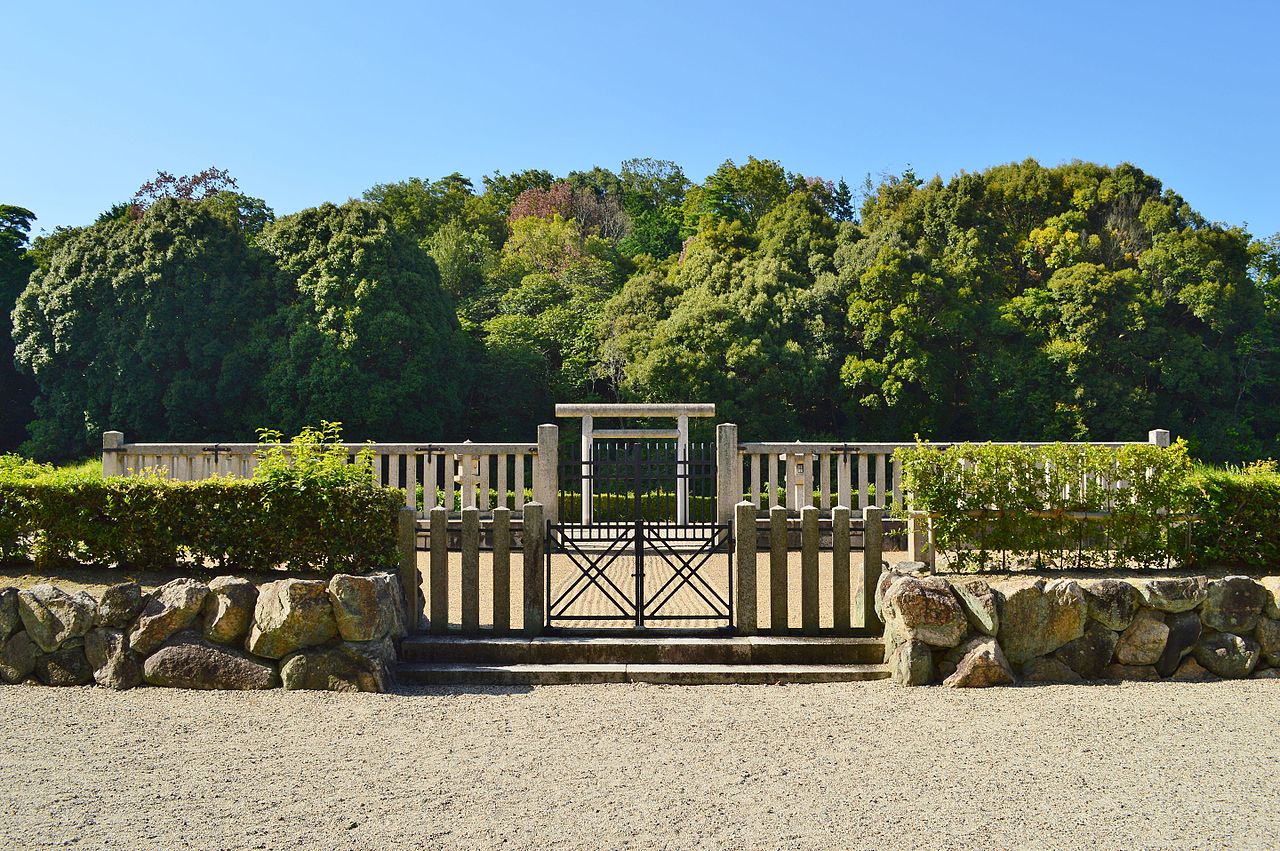


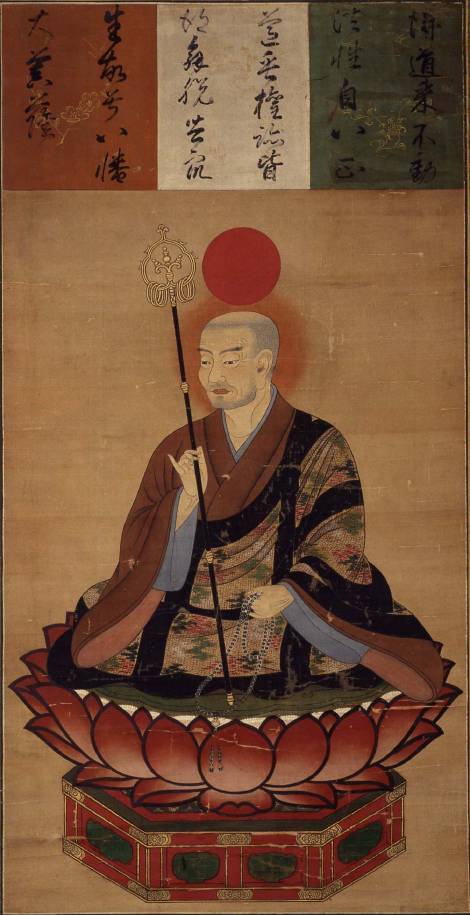
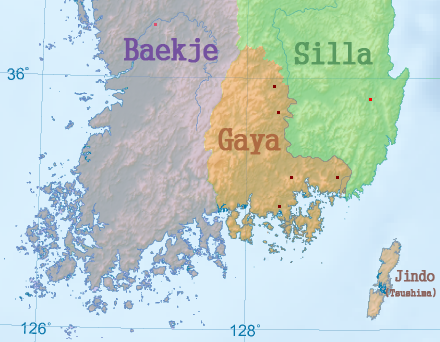
Traditional accounts and attributes
In traditional stories Jingū is portrayed as a decisive leader and, in some versions, as directing military ventures beyond the Japanese islands while acting as a regent for her heir. She is linked to the foundation narratives of the imperial household and to the parentage of a later monarch who becomes important in both historical memory and religious cult. These tales emphasize sanctity, strategy and maternal authority, blending political claims with supernatural motifs common to mythic histories.
Historical context and scholarly views
Scholars treat the episode-filled life presented in the chronicles as largely legendary. The personal name and the imperial-style title associated with Jingū were assigned after the events she is said to have lived through, a process sometimes described as receiving a posthumous title. Later chroniclers and court compilers shaped and standardized these narratives over centuries to serve dynastic memory and ritual practice; this editorial shaping is emphasized by modern researchers as a reason to read the accounts cautiously (later chroniclers).
Succession, canonization and later reception
No exact contemporary dates can be confidently attached to Jingū's life or governance, and the ordering of early rulers in the traditional imperial list was not definitively solidified until the era of Emperor Kammu. For this reason, many modern reference works describe Jingū as a legendary regent rather than a historically verified sovereign. Despite this, she remains an influential figure in literature, ritual memory and popular culture, where her image has been adapted in poetry, theater and visual arts.
Notable distinctions and legacy
- Jingū occupies a liminal place between myth and history: central in narrative sources but lacking independent contemporary corroboration.
- She exemplifies how early Japanese chronicles fuse political claims with religious themes to legitimize descent and authority.
- Her story contributed to ideas about female agency in courtly myth and is frequently discussed in studies of gender and rulership in early Japan.
Understanding Empress Jingū therefore requires reading the surviving tales as products of literary, religious and political traditions rather than as straightforward biography. Her importance lies less in verifiable historical acts and more in how successive generations used her image to narrate origins, legitimize power and express cultural values.
Questions and answers
Q: Who was Empress Jingū?
A: Empress Jingū (also known as Empress-consort Jingū) was a legendary empress of Japan.
Q: Is there any historical evidence for her life and reign?
A: Historians consider details about the life of Empress Jingū to be mythical, and no certain dates can be assigned to her life or reign.
Q: When were the conventionally accepted names and sequence of the early emperors confirmed?
A: The conventionally accepted names and sequence of the early emperors were not confirmed as "traditional" until the reign of Emperor Kammu, who was the 50th monarch of the Yamato dynasty.
Q: What is Empress Jingū's posthumous name?
A: Her posthumous name is Jingū-tennō.
Q: How is she considered today?
A: She is now considered a regent.
Q: Was she part of traditional succession at one point?
A: Yes, her name was once included in the traditional order of succession.
Related articles
Author
AlegsaOnline.com Empress Jingū — legendary Japanese regent and mythic figure Leandro Alegsa
URL: https://en.alegsaonline.com/art/118536
Sources
- books.google.com : Seeds in the Heart: Japanese Literature from Earliest Times, p. 82 n36.
- books.google.com : The Cambridge History of Japan, p. 410
- t-net.ne.jp : "Kofun Culture,"
- t-net.ne.jp : Japanese Archaeology.
- books.google.com : Gukanshō: The Future and the Past, p. 21 n5.
- imes.boj.or.jp : "History of Japanese Currency,"
- imes.boj.or.jp : Institute for Monetary and Economic Studies, Bank of Japan (IMES BOJ)