
Emperor Ankō — twentieth monarch in Japan's traditional succession
Emperor Ankō is traditionally listed as the 20th sovereign in Japan's imperial sequence. Reliable contemporary records are lacking; accounts derive from later chronicles and archaeological context and remain partly uncertain.
Emperor Ankō (posthumously called Ankō-tennō) is conventionally counted as the twentieth ruler in the classical order of Japanese emperors. The figure appears in Japan's early chronicles, which were compiled centuries after the events they narrate, and modern scholars treat many details as uncertain or as containing legendary accretions. Ankō's placement in the roll of rulers is part of a sequence that later generations organized to form a continuous imperial genealogy in Japan.
Image gallery
4 Images


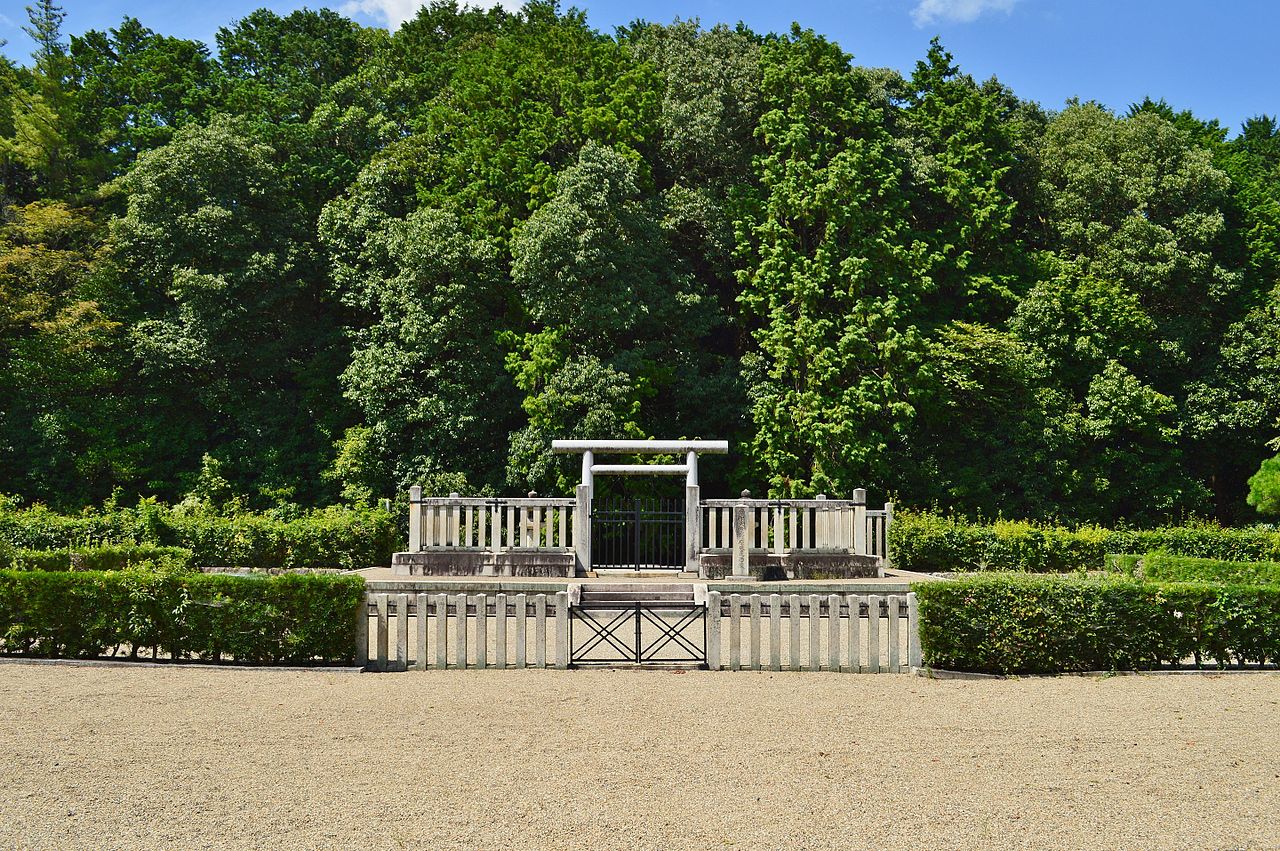
Primary sources and historicity
The principal narrative sources for Emperor Ankō are the early historiographical compilations. These accounts combine oral tradition, court memory and retrospective editing; as a result, historians often describe entries such as Ankō's as possibly legendary while also noting they may preserve kernels of historical fact. The use of a standardized, posthumous title for the ruler reflects later editorial activity: the name Ankō-tennō was assigned after the fact rather than recorded contemporaneously.
Traditional account and succession
In conventional lists, Ankō is woven into the succession of the Yamato court. The sequence that places him as the 20th sovereign was fixed and legitimized over time by courts that sought to present an orderly line of descent. Scholars emphasize that such ordering served political and ritual purposes and that each early entry must be read with attention to the chroniclers' aims and methods. The idea of a continuous imperial lineage gained formal acceptance under later rulers such as Emperor Kammu.
Archaeological and cultural context
Archaeology places the era associated with early named emperors within the Kofun period, known for large burial mounds, increasing social stratification, and the consolidation of regional elites. While material remains — including keyhole-shaped tumuli and grave goods — illuminate the emergence of centralized authority, direct connections between specific archaeological sites and individual early emperors remain difficult to demonstrate. Research in this area continues to refine how archaeological evidence can be correlated with the literary record.
Legacy and interpretation
Emperor Ankō's significance rests chiefly in his role within the traditional narrative that shaped later imperial ideology. Early sovereigns like Ankō functioned as genealogical anchors, legitimizing subsequent rulers and serving as reference points for ritual and historical memory. The retrospective assignment of names and ordering by later generations was part of a broader effort to compile and systematize the past, and the conventional list remains a foundation for historical and cultural accounts of Japan's monarchy (traditional order).
Key points
- Position: Counted as the 20th emperor in the traditional succession (traditional order).
- Sources: Known from early chronicles and later historiography; see general discussions in the principal compilations and compendia (Japan, possibly legendary).
- Names and dating: The posthumous name was given retrospectively (posthumous name); reliable contemporary dates are not available.
- Context: Associated with the formative Kofun cultural phase and the rise of the Yamato polity; archaeological context and comparative studies provide background (later generations, Emperor Kammu).
Because early records mix tradition and editorial shaping, accounts of Ankō should be treated as part of a long process in which the past was organized to serve later political and ritual needs. Nevertheless, studying these narratives alongside archaeological evidence helps illuminate how early Japanese rulers and the idea of imperial continuity were constructed and remembered.
Questions and answers
Q: Who was Emperor Ankō?
A: Emperor Ankō was the 20th emperor of Japan, according to the traditional order of succession.
Q: What is the accuracy of historical details about the life of Emperor Ankō?
A: Historians consider details about the life of Emperor Ankō to be possibly legendary, but probable.
Q: How was the name Ankō-tennō given to Emperor Ankō?
A: The name Ankō-tennō was created for him posthumously by later generations.
Q: Is it possible to determine the dates of Emperor Ankō's life and reign?
A: No certain dates can be assigned to this emperor's life or reign.
Q: When were the conventionally accepted names and sequence of the early emperors confirmed as "traditional"?
A: The conventionally accepted names and sequence of the early emperors were not confirmed as "traditional" until the reign of Emperor Kammu, who was the 50th monarch of the Yamato Dynasty.
Q: Who was Emperor Kammu?
A: Emperor Kammu was the 50th monarch of the Yamato dynasty who confirmed the conventionally accepted names and sequence of the early emperors as "traditional".
Q: What is the Yamato Dynasty?
A: The Yamato dynasty is a family of Japanese emperors who have ruled Japan since ancient times.
Related articles
Author
AlegsaOnline.com Emperor Ankō — twentieth monarch in Japan's traditional succession Leandro Alegsa
URL: https://en.alegsaonline.com/art/118486
Sources
- kunaicho.go.jp : 安康天皇 (20)
- books.google.com : Annales des empereurs du japon, pp. 26
- t-net.ne.jp : "Kofun Culture,"
- t-net.ne.jp : Japanese Archaeology.
- books.google.com : The Chrysanthemum Throne, p. 31.
- books.google.com : "Miyatsuko" in Japan Encyclopedia, p. 651.
- jstor.org : "Contested Access: The Imperial Tombs in the Postwar Period,"