
Egon Krenz — Final Leader of the German Democratic Republic
East German politician Egon Krenz briefly led the GDR during its 1989 crisis. A longtime Socialist Unity Party official and former NVA serviceman, he was later convicted in connection with the regime’s border policies.
Egon Rudi Ernst Krenz (born 19 March 1937) is a German politician best known for serving as the final leader of the German Democratic Republic (GDR) during the political upheaval of 1989. Born in Kolberg (now Kołobrzeg), he rose through the ranks of the Socialist Unity Party (SED) and held several senior posts before being chosen to succeed Erich Honecker in October 1989. His short tenure coincided with the collapse of the GDR’s authority and the opening of the Berlin Wall.
Image gallery
8 Images



Early life and political rise
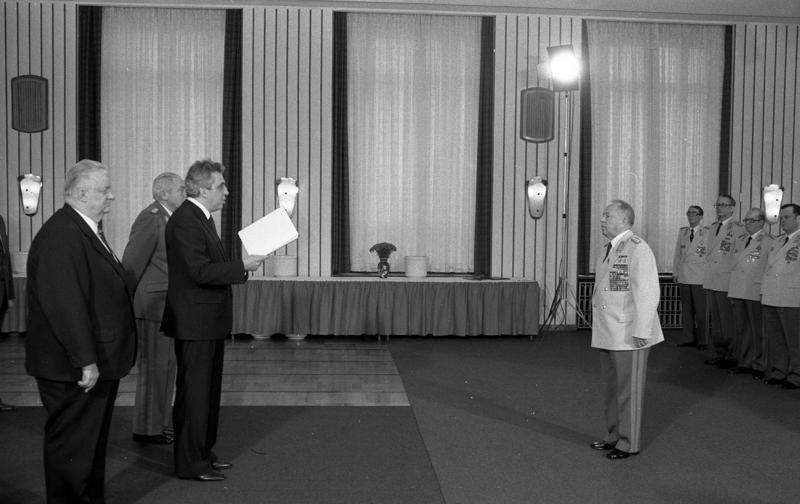
Krenz grew up in the years after World War II and entered politics through youth and party organizations. He served in the National People’s Army (NVA), attaining non‑commissioned rank, and then advanced inside the SED apparatus. Over decades he became a member of the party’s leadership bodies and was associated with the state’s security and youth institutions. His career reflected the typical path of East German functionaries who combined military or organizational service with party advancement.
Leadership during 1989
On 18 October 1989, facing mass protests and pressure from within the SED, the party elevated Krenz to replace Erich Honecker. He attempted limited political reforms and sought to stabilize the state, but these measures failed to halt the tide of public opposition. During his weeks in office the regime lost effective control: the Berlin Wall was breached and emigration accelerated. Krenz resigned in early December 1989 amid the quick unraveling of the GDR’s institutions.
Positions and roles
- Longtime SED official and Politburo member (party leadership roles)
- Served in the National People’s Army (NVA)
- Briefly head of state and party leader during the 1989 crisis
Trial, conviction and later life
After German reunification many former GDR leaders were investigated for their role in the state’s human rights abuses, especially the lethal enforcement of the inner‑German border. Krenz was later convicted and sentenced to imprisonment related to these policies; he served time and was released in the early 2000s. In subsequent years he remained a controversial figure, defending some elements of the former system while acknowledging its failures.
Legacy and significance
Krenz’s brief leadership is often viewed as emblematic of a late attempt by the SED to preserve the GDR through limited change. Historians and observers treat his tenure as part of the rapid chain of events that brought down communist rule in East Germany and led to reunification. For further background and contemporary accounts, see sources on his birthplace and early life, materials about the Socialist Unity Party, profiles of Erich Honecker, overviews of the German Democratic Republic, and reporting on his trial and imprisonment.
Related articles
Author
AlegsaOnline.com Egon Krenz — Final Leader of the German Democratic Republic Leandro Alegsa
URL: https://en.alegsaonline.com/art/118225