
Erich Honecker: East German leader (1912–1994)
Erich Honecker was the General Secretary of East Germany's ruling party from 1971–1989. He presided over social policies, repression by the Stasi, détente with the West, and was removed and later tried after German reunification.
Overview
Erich Honecker (25 August 1912 – 29 May 1994) was the dominant political figure in the German Democratic Republic (East Germany) from 1971 until the collapse of the state in 1989. A veteran of interwar communist activism and anti-Nazi resistance, he rose through the ranks of the Socialist Unity Party to become its General Secretary and the de facto leader of the GDR. His long rule combined expanded social welfare and pensions with intensifying state surveillance and restrictions on dissent. He remains a controversial figure in German and Cold War history.
Image gallery
10 Images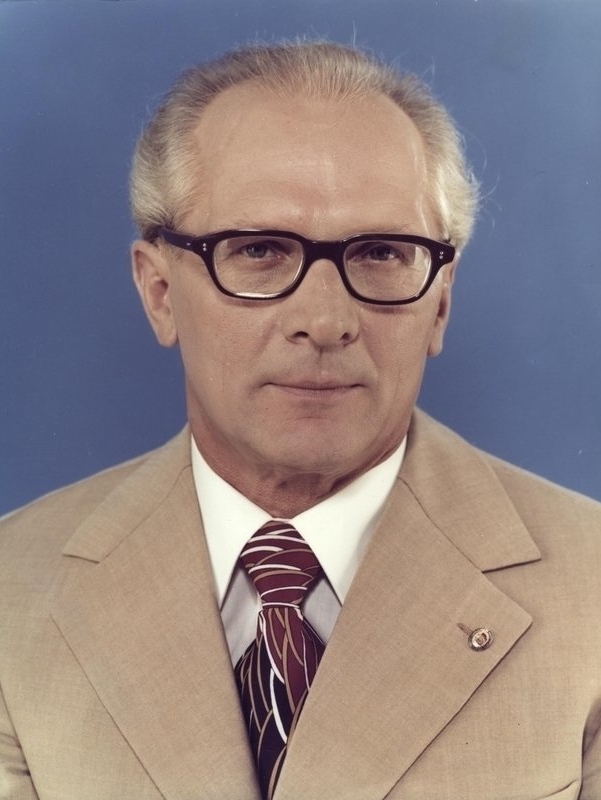


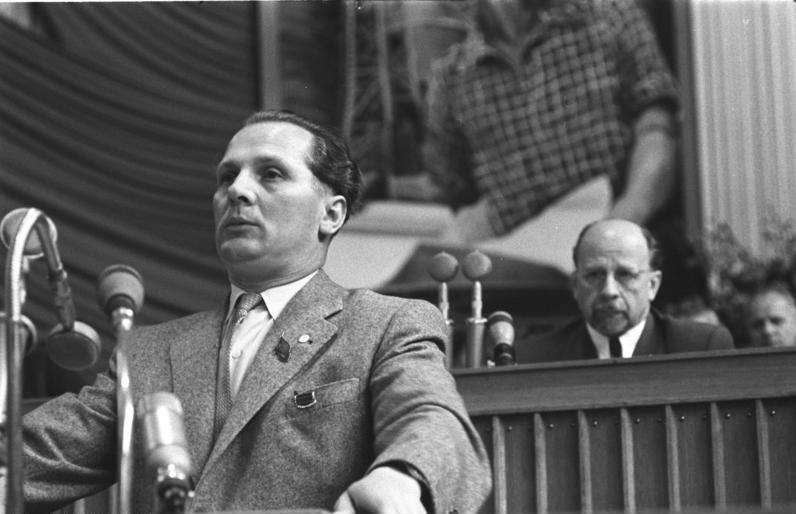

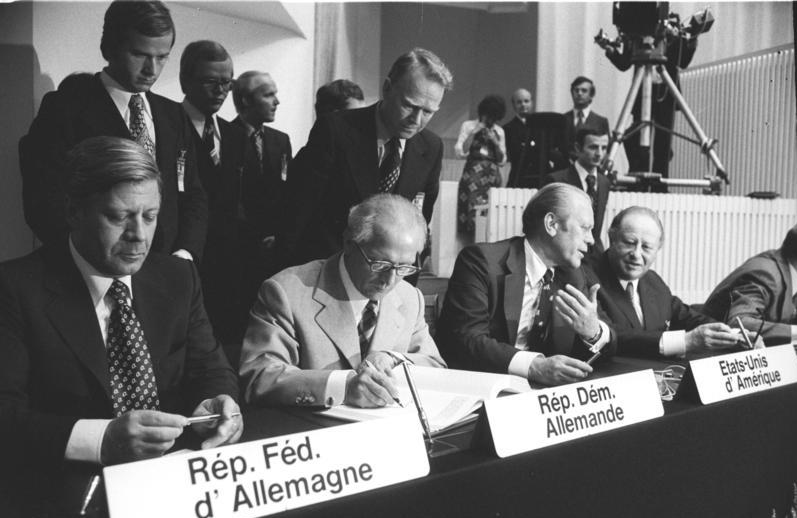
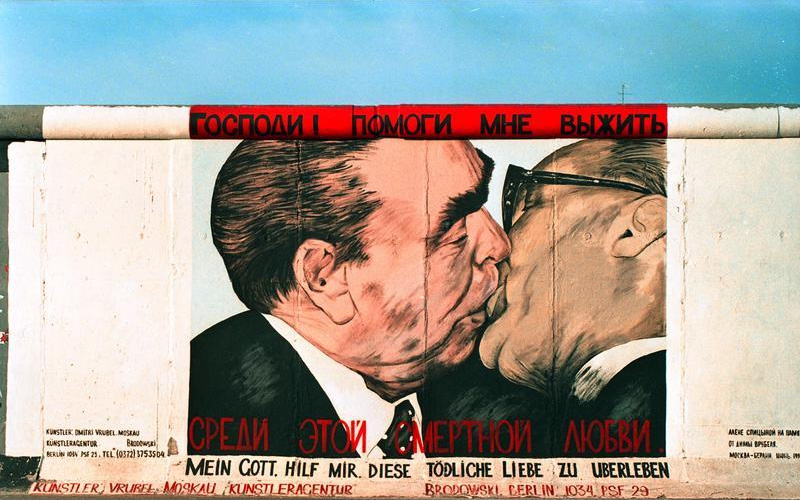

Political career and offices
Honecker began as a youth activist and later held senior posts in the ruling party. In 1971 he succeeded Walter Ulbricht and consolidated authority as head of the party apparatus and, effectively, the state. His leadership style emphasized centralized control and the primacy of the party in all areas of society. During his tenure he worked closely with other Eastern Bloc leaders and maintained the GDR's ties to the Soviet Union (Soviet Union), while also engaging in negotiated relations with West Germany.
Domestic policy and repression
Domestically Honecker promoted policies that expanded housing, education and social services, aiming to present the GDR as a modern welfare state. At the same time his government relied heavily on the Ministry for State Security (the Stasi) to monitor citizens, suppress opposition and control emigration. Key features of the system included:
- State-provided housing, health care and guaranteed employment as hallmarks of social policy.
- Extensive surveillance networks and suppression of independent organizations.
- Strict border controls that led to deadly incidents for people attempting to flee to the West.
Critics held Honecker personally responsible for human-rights abuses, including policies that led to deaths at the inner-German border and the Berlin Wall.
Foreign relations and détente
Under Honecker the GDR pursued international recognition and economic ties beyond the Eastern Bloc. He navigated complex relations with both Moscow and Bonn, benefiting from West German policies of Ostpolitik that helped normalize contacts between East and West Germany. Official visits, treaties and trade agreements increased the GDR's visibility abroad, even as it remained a Soviet-aligned state and a communist regime (Communist).
Fall from power, flight and trial
Mass protests and political change in 1989 led the party to remove Honecker in October of that year. After reunification he sought refuge abroad and spent time in the Soviet Union before being returned to German authorities. He faced legal proceedings on charges including high treason (high treason) and responsibility for deaths at the border, matters tied to the broader Cold War (Cold War) legacy of the GDR. Ill health, reported as terminal liver cancer (liver cancer), resulted in his release on humanitarian grounds.
Later life and legacy
Released from custody, Honecker spent his final years in exile with family connections in South America and died in Chile (Chile) in 1994. His wife and longtime collaborator Margot Honecker, a leading education minister, also emigrated. Scholars and the public continue to debate his record: supporters point to social achievements and stability, while opponents emphasize repression, lack of freedoms and the systemic failures that contributed to the GDR's collapse. For additional background on his party and role in East German governance see East German institutions and accounts of his work as a politician and public official (Soviet-era archives and analyses provide further context). For retrospectives on the era and contested judgments about responsibility, see detailed studies of the GDR and its leadership (Cold War histories and legal reviews).
Questions and answers
Q: Who was Erich Honecker?
A: Erich Honecker was an East German Communist politician who led the German Democratic Republic from 1971 until 1989.
Q: When did he die?
A: He died in 1994.
Q: What happened to him after German re-unification?
A: After German re-unification, he went to the Soviet Union but was sent back by the new Russian government to Germany, where he was imprisoned and tried for high treason and crimes committed during the Cold War.
Q: How long did he serve as leader of East Germany?
A: He served as leader of East Germany from 1971 until 1989.
Q: Was he convicted of any crimes?
A: Yes, he was tried for high treason and other crimes committed during the Cold War.
Q: Where did Erich Honecker die?
A: He died in exile in Chile about a year and a half later.
Q: Why was Erich Honecker released from prison?
A: He was released from prison because he was dying of liver cancer.
Related articles
Author
AlegsaOnline.com Erich Honecker: East German leader (1912–1994) Leandro Alegsa
URL: https://en.alegsaonline.com/art/118592
Sources
- calvin.edu : "Erich Honecker Speech on Peace (1984)"
- cnn.com : "Gorbachev Interview"