
Ed Sullivan (1901–1974) — American television host and entertainment columnist
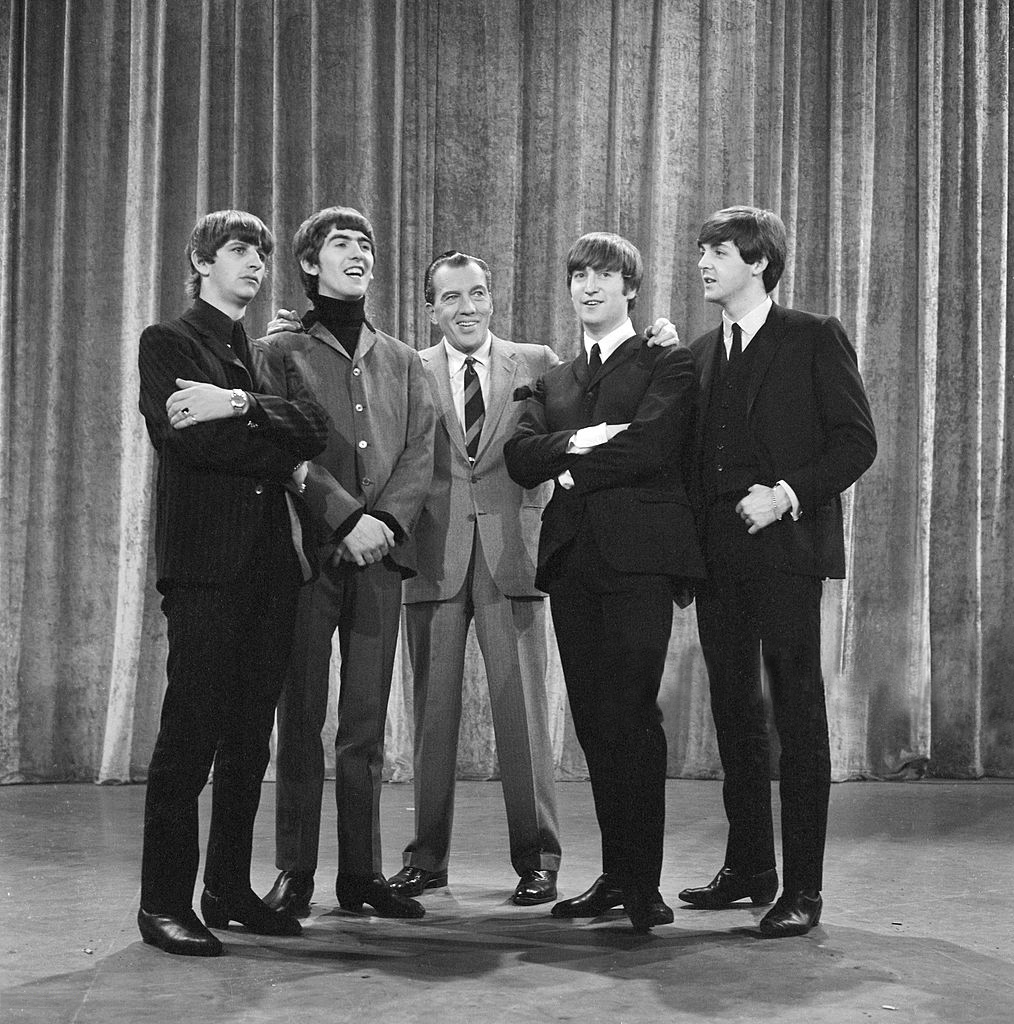
Ed Sullivan was a prominent American entertainment writer and TV presenter best known for hosting The Ed Sullivan Show (1948–1971), a long-running variety program that introduced many major acts to U.S. audiences.
Overview
Edward Vincent "Ed" Sullivan (1901–1974) was an American entertainment writer and television host whose name became synonymous with mid-20th century variety entertainment. Sullivan is best known for presenting The Ed Sullivan Show, a weekly televised variety program that ran from the late 1940s through the early 1970s and became one of the United States' most enduring broadcast platforms for music, comedy, and novelty acts. He was later recognized among television's notable personalities by publications such as TV Guide.
Image gallery
8 Images


Early life and career
Sullivan began his professional life in New York journalism, where he worked as an entertainment columnist and reporter before moving into radio and then television. His newspaper background shaped a show-business sensibility: he sought acts that would appeal to broad audiences and reflected popular tastes. Transitioning to television during its formative years, he helped define the televised variety format.
The Ed Sullivan Show: format and content
The program presented a mixture of performers in a single broadcast: singers and bands, comedians, dancers, magicians, acrobats and Broadway and nightclub entertainers. Episodes were often broadcast live and assembled a lineup designed to attract family viewers. Sullivan's show became a cultural meeting point where mainstream America first saw performers who would soon become household names.
Notable guests and cultural impact
Sullivan's stage introduced or amplified the careers of many internationally famous acts. Landmark appearances — including those by The Beatles and Elvis Presley — are often cited as pivotal moments in American popular culture. The show also provided national exposure to performers from varied racial and musical backgrounds, contributing to shifts in popular taste and helping to bring diverse talent into living rooms across the country.
Style, controversies, and reception
Sullivan's on-screen persona was restrained and formal: he favored carefully worded introductions and a conservative presentation that contrasted with the often exuberant acts he introduced. At times he exercised editorial control over performances, which led to debates about censorship and cultural standards on television. Despite occasional controversy, the show maintained strong ratings for many years and influenced how variety entertainment was produced for television.
Legacy and further reading
The Ed Sullivan Show ended in the early 1970s after a long run that left a lasting legacy on broadcast entertainment and popular culture. Sullivan is remembered both for the program's role in launching artists and for shaping the variety-show format. For more information and archival material, see the following resources:
Questions and answers
Q: Who was Ed Sullivan?
A: Ed Sullivan was an American entertainment writer and television host.
Q: What was Ed Sullivan best known for?
A: Ed Sullivan was best known as the presenter of the television variety show The Ed Sullivan Show.
Q: When was The Ed Sullivan Show shown on television?
A: The Ed Sullivan Show was shown on television from 1948 to 1971 (twenty-three years).
Q: How long was The Ed Sullivan Show on air?
A: The Ed Sullivan Show was on air for 23 years.
Q: What is the significance of The Ed Sullivan Show?
A: The Ed Sullivan Show was one of the longest-running variety shows in United States history.
Q: In what position was Ed Sullivan in TV Guide's "50 Greatest TV Stars of All Time"?
A: In 1996, Ed Sullivan was #50 on TV Guide's "50 Greatest TV Stars of All Time".
Q: When was Ed Sullivan born and when did he pass away?
A: Ed Sullivan was born on September 28, 1901, and he passed away on October 13, 1974.
Related articles
Author
AlegsaOnline.com Ed Sullivan (1901–1974) — American television host and entertainment columnist Leandro Alegsa
URL: https://en.alegsaonline.com/art/118212
Sources
- edsullivan.com : Ed Sullivan Bio
- books.google.com : Current Biography Yearbook
- books.google.com : Always on Sunday: Ed Sullivan: an Inside View
- americanheritage.com : "The True Story of Bernarr Macfadden: Lives and Loves of the Father of the Confession Magazine"
- books.google.com : The American Midwest: An Interpretive Encyclopedia
- news.google.com : "Ed Sullivan Dies Of Cancer At Age 72"