
Eddie Cantor: American entertainer known as 'Banjo Eyes' and a radio star
Overview of Eddie Cantor (1892–1964), his career on Broadway, radio and early television, signature comic persona, notable songs and lasting influence on American popular entertainment.
Overview
Eddie Cantor (January 31, 1892 – October 10, 1964) was a prominent American comedian, singer, actor and songwriter. He became a household name in the first half of the 20th century through frequent appearances on Broadway, nationally broadcast radio programs and in the early years of early television. Audiences appreciated his warm, conversational style and his ability to mix comedy with sentimental anecdotes about family life.
Image gallery
9 Images


Career and performance style
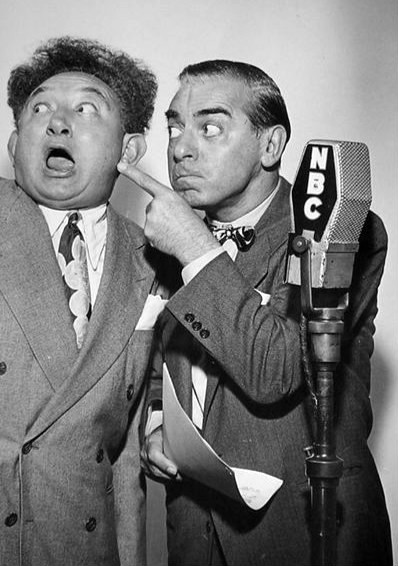
Cantor's public persona combined energetic song-and-dance routines with a jokester's gift for storytelling. He cultivated an intimate rapport with listeners on his radio shows, often sharing humorous and affectionate tales about his wife Ida and their five daughters; that conversational approach helped him feel like a familiar presence in many American homes. On stage and in films he used exaggerated facial expressions, rapid patter and physical comedy to punctuate musical numbers.
Signature image and nickname
A striking element of Cantor's image was his exaggerated eye-rolling and wide-eyed expressions. A 1933 caricature by Frederick J. Garner emphasized these features and, over time, Cantor became popularly known as Banjo Eyes. The nickname stuck, appeared in popular illustrations and advertising, and even inspired a Broadway musical titled Banjo Eyes, which capitalized on that comic persona.
Notable songs and works
Cantor introduced several songs that became standards. Perhaps the best-known is his 1929 performance of "Makin' Whoopee", which he popularized as part of his stage work and recordings. Beyond individual songs, his career spanned vaudeville, musical comedies on Broadway, motion pictures of the 1920s and 1930s, and high-profile radio broadcasts that reached national audiences.
Legacy and significance
During his lifetime Cantor was widely recognized for bridging multiple forms of entertainment: theatrical revue, recorded music, spoken radio comedy and the emerging medium of television. He helped shape the radio variety-show format and showed how performers could use personal, domestic anecdotes to build listener loyalty. His comic mannerisms and musical interpretations influenced later generations of entertainers who blended humor and song.
Selected topics and further reading
- Early years and rise to Broadway and vaudeville
- Top-rated radio shows and on-air family anecdotes
- Signature routines and the Banjo Eyes image
- Recordings, film appearances and transition to television
- Influence on American popular culture and broadcast comedy
For more detailed archival material, performance lists and contemporaneous reviews, consult authoritative biographies and collections that focus on American musical theatre and 20th-century broadcasting history.
Related articles
Author
AlegsaOnline.com Eddie Cantor: American entertainer known as 'Banjo Eyes' and a radio star Leandro Alegsa
URL: https://en.alegsaonline.com/art/118021
Sources
- imdb.com : Eddie Cantor