
Dustin Hoffman
Dustin Hoffman (born August 8, 1937) is an American actor whose versatile performances and memorable characters have shaped modern film. He won two Academy Awards and remains widely respected for stage, screen and voice work.
Overview
Dustin Hoffman (born August 8, 1937) is an American actor known for an unusually wide range of screen and stage performances. He rose from theatre and television to international recognition in the 1960s and has since been associated with a string of influential, often unconventional characters. For a concise career summary see biography and credits.
Image gallery
10 Images


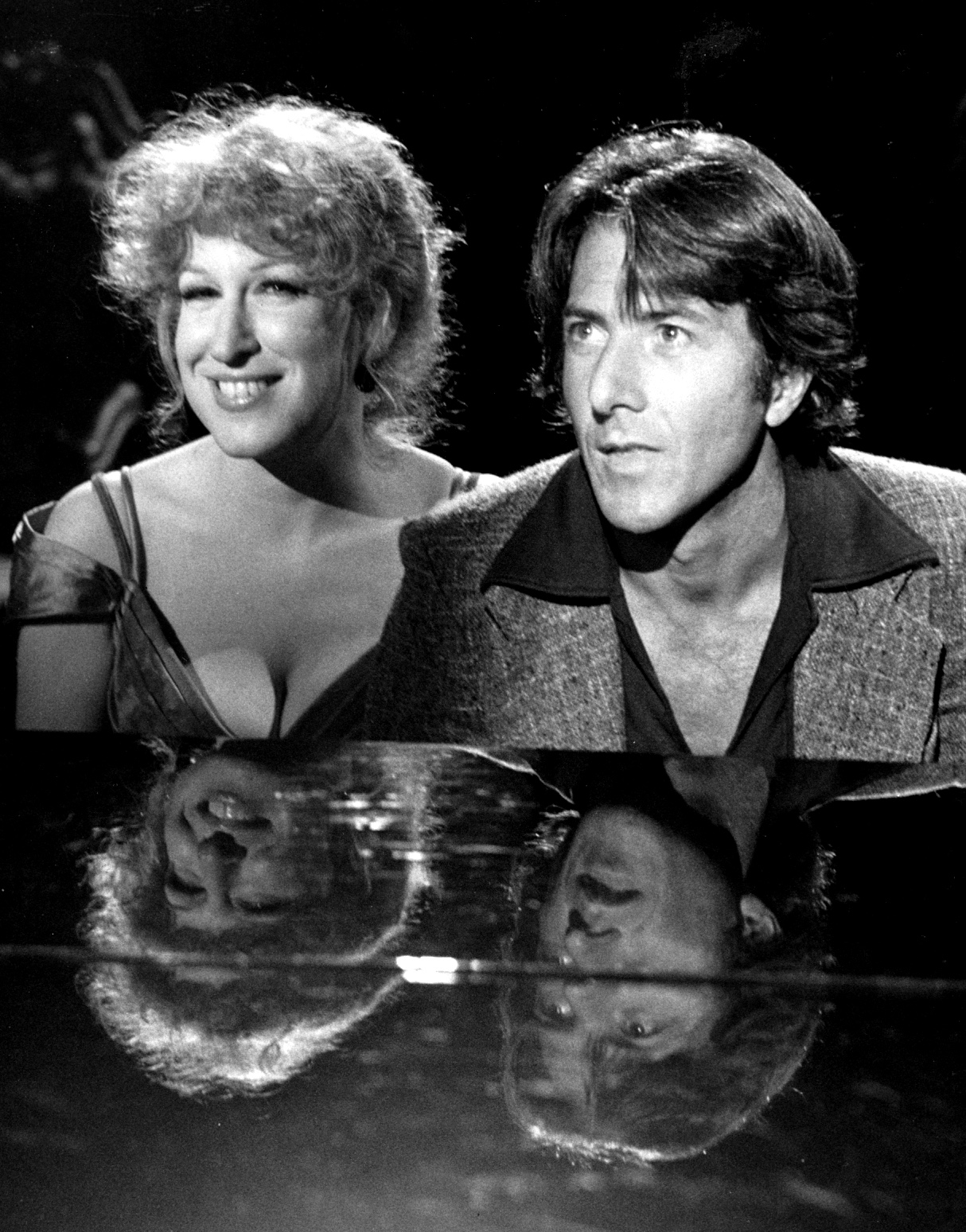


Career and notable roles
Hoffman’s breakthrough came with a leading role that contrasted sharply with the studio stars of earlier decades: a thoughtful, anxious young man in a landmark 1960s film. Across the following decades he played both comic and dramatic parts, frequently transforming his appearance and manner to suit the role. He has worked in film, theatre and television and later added voice acting to his repertoire.
- The Graduate — breakout role that brought him to a wide audience
- Midnight Cowboy — a gritty, sympathetic portrayal in a controversial film
- Kramer vs. Kramer — widely praised dramatic turn
- Rain Man — acclaimed portrayal of a complex character
- Tootsie — notable comic performance and role reversal
- Animated and family films — including prominent voice work
Style and influence
Hoffman is often described as a chameleonic actor: he adapts his voice, posture and expressions to create distinct, believable characters rather than relying on a fixed screen persona. His choices helped expand popular ideas of leading men in American cinema, showing that offbeat, emotionally complicated figures could anchor mainstream films.
Awards, recognition and later work
Over his career Hoffman has received numerous nominations and awards, including multiple Academy Award nominations and two Academy Awards for Best Actor. He has been honored by peers and institutions for his contributions to film and theatre. In later years he continued to appear in both dramatic and comedic projects and took on animated roles; for more on his recent appearances see filmography and selected interviews.
Hoffman’s long career and willingness to take risks have made him a frequently cited example in discussions of American acting in the late 20th and early 21st centuries, and his performances remain part of film studies and popular retrospectives.
Related articles
Author
AlegsaOnline.com Dustin Hoffman Leandro Alegsa
URL: https://en.alegsaonline.com/art/117973
Sources
- movies.yahoo.com : Yahoo movies biography.
- filmreference.com : Film Reference.com biography.
- nymag.com : "The Tortoise and the Whoopee Cushion"
- ynetnews.com : Hoffman's Jewish return.