
Doug Sax — American mastering engineer
Doug Sax (1936–2015) was a Los Angeles–based mastering engineer who co‑founded The Mastering Lab and shaped the sound of landmark rock, jazz and pop records across five decades.
Overview
Doug Lionel Sax (April 26, 1936 – April 2, 2015) was an American mastering engineer whose careful listening and technical skill helped define the final sound of many classic recordings. Born and long based in Los Angeles, California, he was known for a musical approach that prized clarity, dynamics and natural tonal balance rather than heavy processing.
Image gallery
2 Images
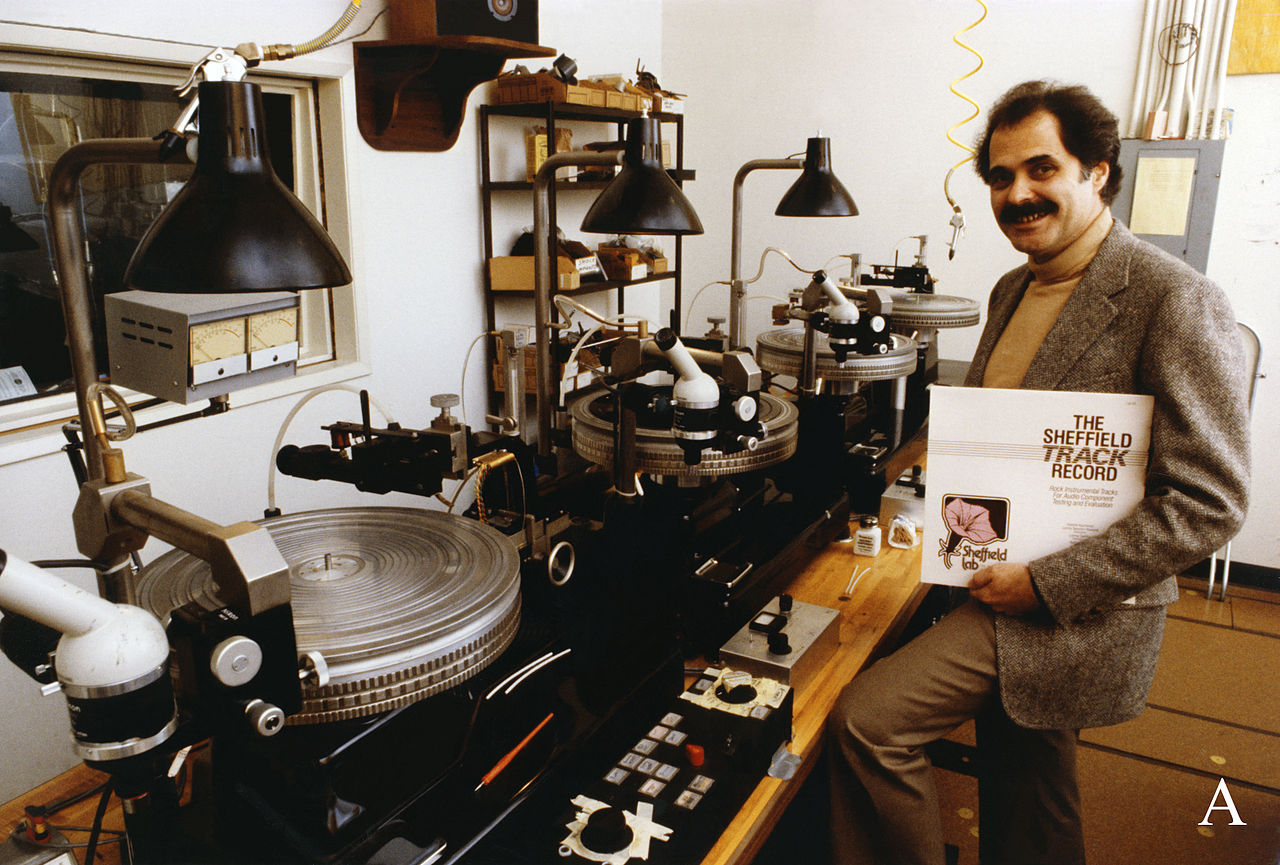
Career and The Mastering Lab
Sax co‑founded The Mastering Lab, a dedicated mastering studio in Los Angeles, which became respected for bespoke equipment, custom cutting lathes and meticulous transfer work. Over a career that began in the analog era and extended into the digital age, he adapted methods and technologies while emphasizing source fidelity and a restrained, listenable final result. Engineers, producers and artists sought his judgment for the last stage of production, trusting his ear to make final decisions about equalization, sequencing and level preparation.
Technique and influence
Sax's working methods emphasized preserving dynamics and musical detail. He supervised tape transfers, lacquer cutting for vinyl and final preparations for digital distribution, often preferring custom or hand‑tuned chains of equipment. His reputation grew among audiophiles and industry professionals for the consistency of original pressings and high‑quality reissues that he mastered. Because of this, his techniques influenced both mainstream mastering practice and specialized high‑fidelity reissue projects.
Notable projects
Across more than five decades, Sax worked with a wide range of artists and genres. His credits include early albums by The Doors, multiple projects with Pink Floyd including work associated with The Wall, and late‑career recordings by Ray Charles, such as the acclaimed Genius Loves Company (2004). He was also credited on releases by major singer‑songwriters including Bob Dylan, appearing on projects released near the end of his life.
Recognition and legacy
Although mastering engineers are often behind the scenes, Sax's work was associated with numerous award‑winning and critically praised recordings, and his name became familiar to audiophiles and industry peers. Rather than seeking attention, he focused on making records that served the music. Contemporary mastering engineers and producers continue to cite his attention to tone and dynamics as an influence.
Death and continuing impact
Doug Sax died in Los Angeles on April 2, 2015, at age 78 from cancer. His studio and the engineers he worked with left a body of work that remains a reference for quality mastering practice. For listeners, comparisons of original pressings and later reissues often highlight the qualities he championed: transparent frequency balance, preserved dynamics and a musical sense of space.
Further reading
For context on his collaborators and the records he mastered, see entries on The Doors, Pink Floyd, and artists such as Ray Charles and Bob Dylan. Technical histories of mastering in California studios discuss the environment in which Sax worked and the evolution from analog to digital workflows. Specialist audio publications and interviews with peers provide additional insight into his methods and influence.
For more technical background on mastering as a craft and the role of dedicated facilities, resources aimed at audio professionals and historical surveys may be useful starting points; these cover topics from lacquer cutting to modern loudness considerations and the stewardship of master tapes.
Related articles
Author
AlegsaOnline.com Doug Sax — American mastering engineer Leandro Alegsa
URL: https://en.alegsaonline.com/art/117930
Sources
- analogplanet.com : Legendary Mastering Engineer Doug Sax Has Passed Away